

Naturally gluten-free foods

Harvard study: Healthier fats linked to longer life after prostate cancer diagnosis

Shingrix shingles vaccine linked with lower heart disease risks

Estrogen-only hormone therapy tied to lower dementia risk

Should you have a hysterectomy?

Stair climbing may significantly lower cardiovascular risks

Why do I sweat so much?

Walking pneumonia: The "mild" illness that can still pack a punch

What causes knee pain: How doctors make a diagnosis

Where you carry excess weight matters in predicting heart disease risk
Stress Archive
Articles
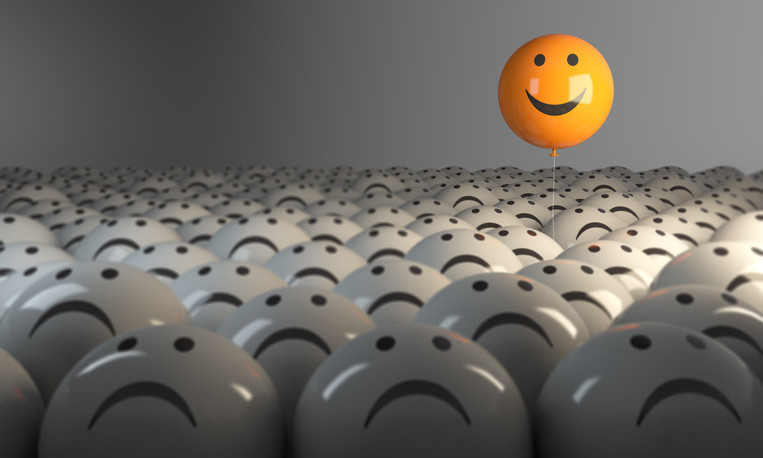
Break free from 3 self-sabotaging ANTs - automatic negative thoughts
Automatic negative thoughts are reactions that compel people to interpret many situations in unbalanced, upsetting ways. But with practice, people can learn to recognize and disarm distorted thinking.




Losing a pet can trigger grief as intense as human loss
A 2026 study suggested that losing a pet can trigger grief as intense and prolonged as that from losing a human loved one.

5 skills teens need in life - and how to encourage them
All parents want their children to be happy and able to successfully navigate life's challenges. Five core skills form a great foundation, and while parents can and should support young children in building these skills, encouraging teens to reinforce and refine their skills is important.

Will couples therapy improve your relationship?
Couples therapy gives partners a structured space to work through conflict, improve communication, and strengthen their bond with the help of a trained therapist. It's useful not only in times of crisis, but also when couples want to navigate big life changes or simply deepen their connection.

5 simple ways to improve gut health
Gut health plays a bigger role in overall well-being than many people realize, affecting digestion, mood, and immunity. Simple daily choices around food, movement, sleep, stress, and hydration can support a healthier, more resilient gut.

An essential way to combat loneliness
Loneliness is widespread and harms both physical and mental health, but nurturing existing relationships is a powerful antidote. By reconnecting with friends and family, meeting regularly, minimizing distractions, and staying in touch across distance, it's possible to more connected and help protect long-term health.
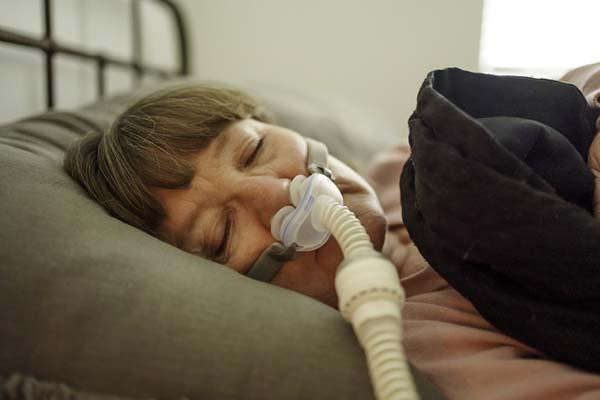
Sleep apnea linked to mental health conditions in middle and older age
Obstructive sleep apnea (OSA), marked by breathing pauses during sleep, is linked to high blood pressure, heart disease, stroke, and diabetes. A 2025 study found that people at high risk for OSA also had about 40% higher odds of depression and other mental health conditions.
Naturally gluten-free foods
Harvard study: Healthier fats linked to longer life after prostate cancer diagnosis
Shingrix shingles vaccine linked with lower heart disease risks
Estrogen-only hormone therapy tied to lower dementia risk
Should you have a hysterectomy?
Stair climbing may significantly lower cardiovascular risks
Why do I sweat so much?
Walking pneumonia: The "mild" illness that can still pack a punch
What causes knee pain: How doctors make a diagnosis
Where you carry excess weight matters in predicting heart disease risk
Free Healthbeat Signup
Get the latest in health news delivered to your inbox!
Sign Up
