

Whole grains may improve several heart risk factors at once

Light exposure at night may raise risk for heart disease

Children of centenarians may stay healthier and live longer too, study finds

A lumbar belt may help ease low back pain

Signs of pneumonia: Sometimes vague and unexpected

The surprising link between ovarian cancer and the fallopian tubes

Using a vibration plate: What it can — and can't — do for your body

People who walk more or walk faster live longer, study finds

Rosacea treatments: What works?

For sleep apnea, a dental device may be as effective as CPAP
Mental Health Archive
Articles

Mother’s Day: Tools for coping when celebration brings pain
Mother’s Day is meant to be a day of celebration. But for many women it can also be a day of discomfort. Tools for coping may make this easier to manage.


Questions & Answers: Does Accutane cause depression?
ARCHIVED CONTENT: As a service to our readers, Harvard Health Publishing provides access to our library of archived content. Please note the date each article was posted or last reviewed. No content on this site, regardless of date, should ever be used as a substitute for direct medical advice from your doctor or other qualified clinician.
Q. Does the acne drug, isotretinoin (Accutane), cause depression and suicide, or are psychiatric risks from the Accutane side effects exaggerated?


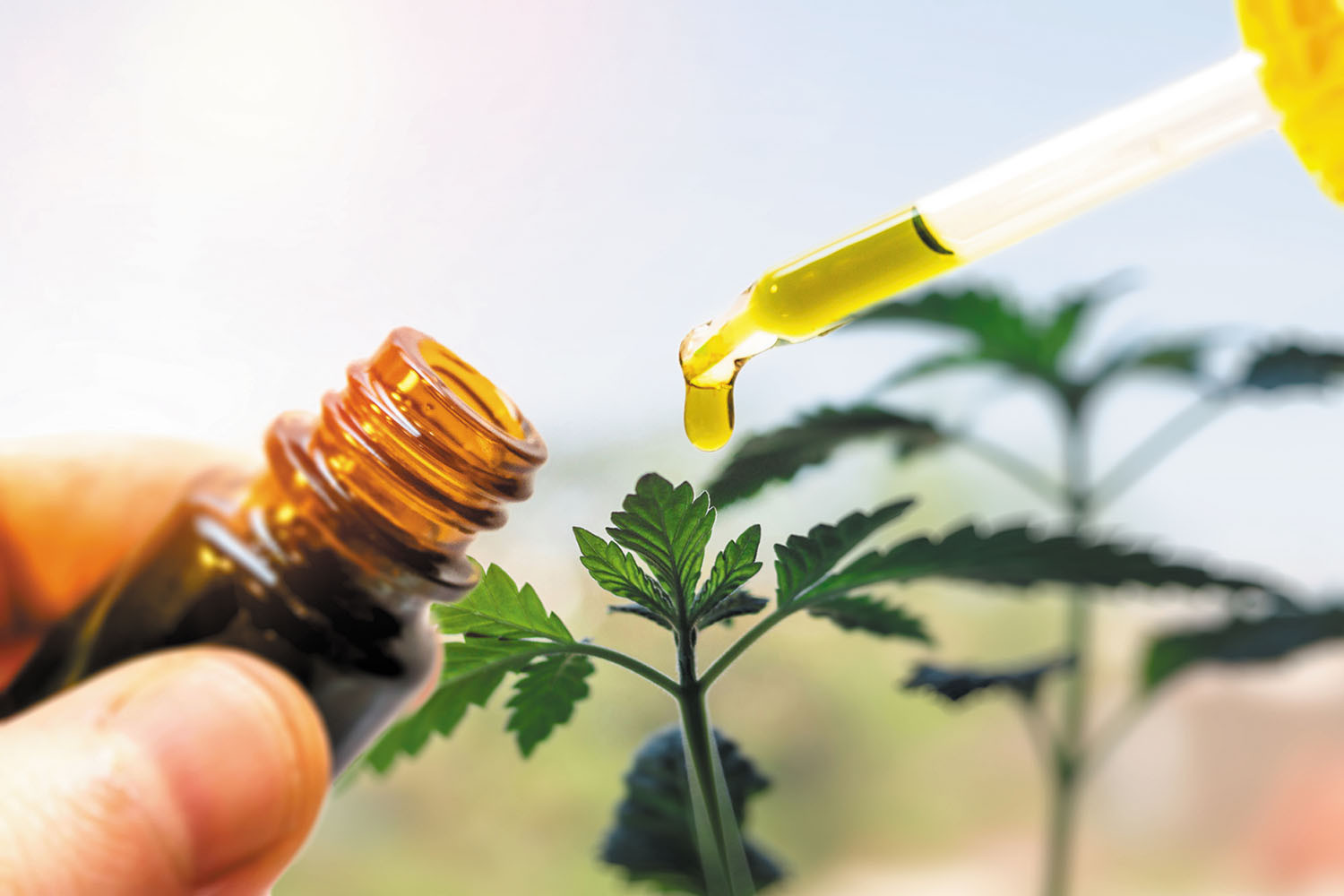
Answers to the top questions about cannabis extract
Sales of cannabidiol-infused products are expected to top $2 billion by 2021. But is CBD right for you?
Cannabidiol (CBD) is touted as a natural wonder that can help treat symptoms of everything from anxiety to arthritis pain. The plant extract comes from two varieties of cannabis — hemp and marijuana — and is available in creams, tinctures, oils, patches, gummy bears, capsules, and more. You can even add CBD to a latte if you walk into a coffee shop in some cities.
But is CBD safe for older adults? There haven't been a lot of large studies of CBD's safety, but more traditional medicines for pain and anxiety are not free of adverse effects, either. "I think CBD is likely safer than many other treatments people use for pain, insomnia, or anxiety," says Dr. Peter Grinspoon, a primary care physician with Harvard-affiliated Massachusetts General Hospital. Other physicians don't think we know enough about the safety profile of CBD to be sure.

How yoga may enhance heart health
In addition to boosting fitness and easing stress, yoga may also help you embrace a healthier lifestyle.
Many people think of yoga mainly as an activity that promotes flexibility and balance. But this ancient tradition also includes breathing exercises, relaxation, and meditation. Together, these practices can lead to measurable improvements in factors connected with cardiovascular health, such as lower blood pressure, better sleep, and less artery-damaging inflammation.
"There are four distinct but interconnected areas in which yoga has specific benefits, not just for heart disease but any disease," says yoga researcher and neuroscientist Dr. Sat Bir Singh Khalsa, assistant professor of medicine at Harvard Medical School. Following are summaries of the four areas.

The mental side of recovery
Dealing with the emotional effects from a physical setback can be a challenge. These three strategies can help.
The physical repercussions of a major health issue, like surgery, an injury, or a heart attack, are tough enough without having to also confront the stress, anxiety, and depression that often accompanies it. Yet managing your mental health is just as important as your physical health when it comes to making a full recovery.
"There is no question that your state of mind can dictate how quickly you can return from a physical setback," says Dr. Jeff Huffman, director of the cardiac psychiatry research program at Harvard-affiliated Massachusetts General Hospital.
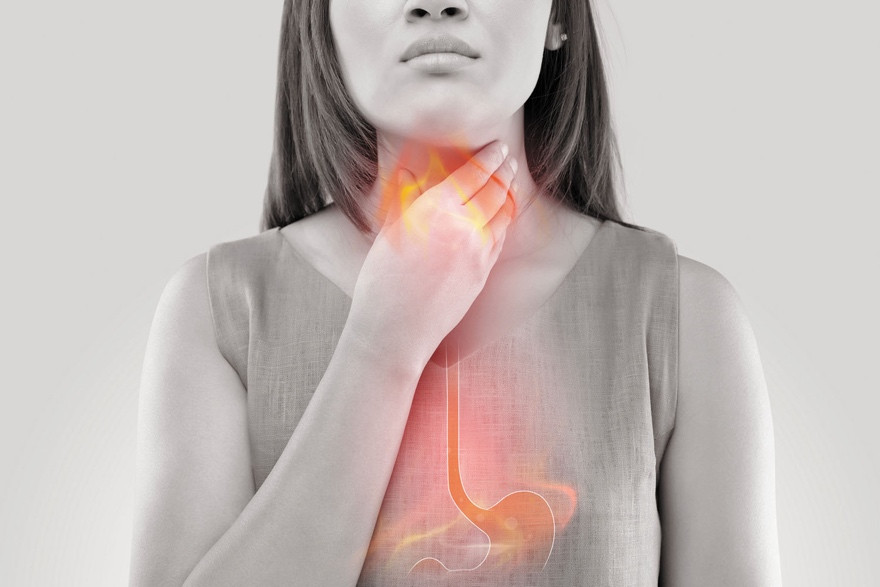
Feeling the burn? Antacids can provide some relief
But these remedies aren't the best choice if you have frequent heartburn.
You feel the familiar sensation in your chest: heartburn. Again, you find yourself reaching for the bottle of antacids in the medicine cabinet. It's something you've done a few times a week for the past six months. Is it okay to keep popping over-the-counter acid reducers, or is it time to see a doctor?
We asked two experts, Dr. Jennifer Nayor and Dr. Molly Linn Perencevich, both instructors in medicine at Harvard Medical School, for their thoughts on heartburn, including when it's okay to use over-the-counter antacids and when you should seek other treatments. Below are their responses.
Whole grains may improve several heart risk factors at once
Light exposure at night may raise risk for heart disease
Children of centenarians may stay healthier and live longer too, study finds
A lumbar belt may help ease low back pain
Signs of pneumonia: Sometimes vague and unexpected
The surprising link between ovarian cancer and the fallopian tubes
Using a vibration plate: What it can — and can't — do for your body
People who walk more or walk faster live longer, study finds
Rosacea treatments: What works?
For sleep apnea, a dental device may be as effective as CPAP
Free Healthbeat Signup
Get the latest in health news delivered to your inbox!
Sign Up
