

Whole grains may improve several heart risk factors at once

Light exposure at night may raise risk for heart disease

Children of centenarians may stay healthier and live longer too, study finds

A lumbar belt may help ease low back pain

Signs of pneumonia: Sometimes vague and unexpected

The surprising link between ovarian cancer and the fallopian tubes

Using a vibration plate: What it can — and can't — do for your body

People who walk more or walk faster live longer, study finds

Rosacea treatments: What works?

For sleep apnea, a dental device may be as effective as CPAP
Mental Health Archive
Articles

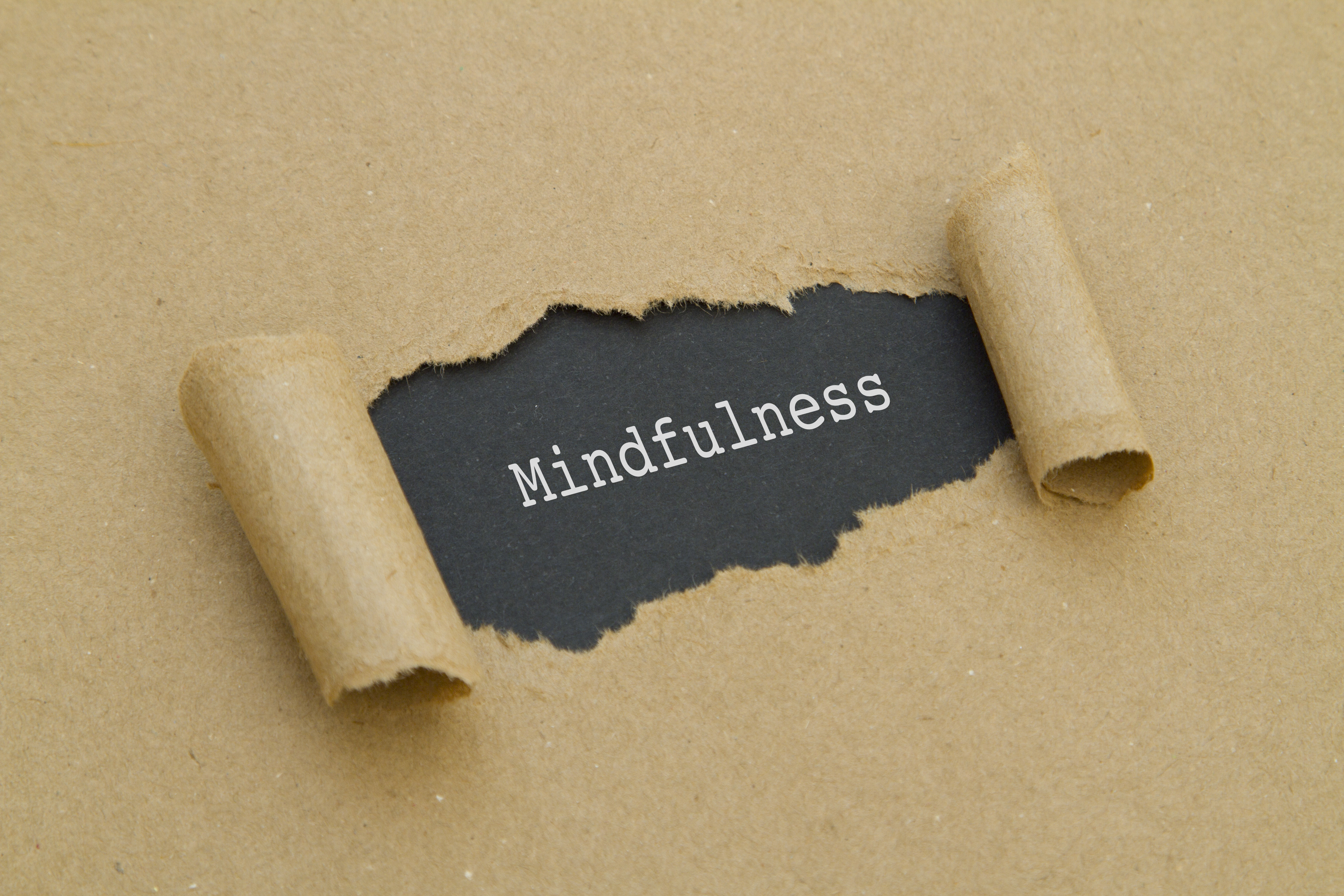

Spring cleaning: Why more people are uncluttering the mind for better health
The benefits of meditation go beyond stress reduction.
Image: © FatCamera/Getty Images
Most of us sense instinctively that clutter is unhealthy. Sure, we may joke about a disorganized desk or a teenager's messy room, but we feel that a clean, organized space is a healthier, more soothing environment. What about a cluttered mind — a mind constantly presented with different simultaneous challenges and distractions? Is that unhealthy, and is there a fix?
Uncluttering — or, as is usually said, "emptying" — your mind through meditation has a host of health-related benefits, and maybe that's why more people are taking up the practice. Data from a national survey conducted by the CDC's National Center for Health Statistics, published online by the CDC in November 2018, found that 14% of American adults reported meditating in 2017, compared with just 4% in 2012.

Lessons about brain health from a landmark heart study
At 70 years and counting, the Framingham Heart Study continues to help doctors better understand stroke, dementia, and heart disease.
Image: © BHPix/Getty Images
In 1948, more than 5,200 people living in a town just west of Boston volunteered for what has evolved into the longest running and best-known study of the causes of heart disease. But the multigenerational Framingham Heart Study has also revealed important clues about brain disorders — most notably stroke but also cognitive decline and dementia (see "Framingham's brain health findings").
In the early 1960s, Framingham researchers coined the term "risk factor," which refers to a characteristic or exposure that raises a person's odds of developing a disease. Over the following decades, they uncovered many such factors for heart disease, including cigarette smoking, obesity, lack of physical activity, and high blood pressure. These habits and conditions also turned out to predispose people to stroke and dementia, thereby establishing that what harms the heart is also bad for the brain.

More trees, fewer heart risks?
Research we're watching
Living in a leafy, green neighborhood may lead to lower levels of some telltale markers for heart disease and stroke, new research suggests.
During the five-year study, researchers collected blood and urine samples from 408 people recruited from a cardiology clinic in Louisville, Ky. The researchers also estimated green space exposure using satellite imagery that showed the vegetation density in each of the participants' neighborhoods.
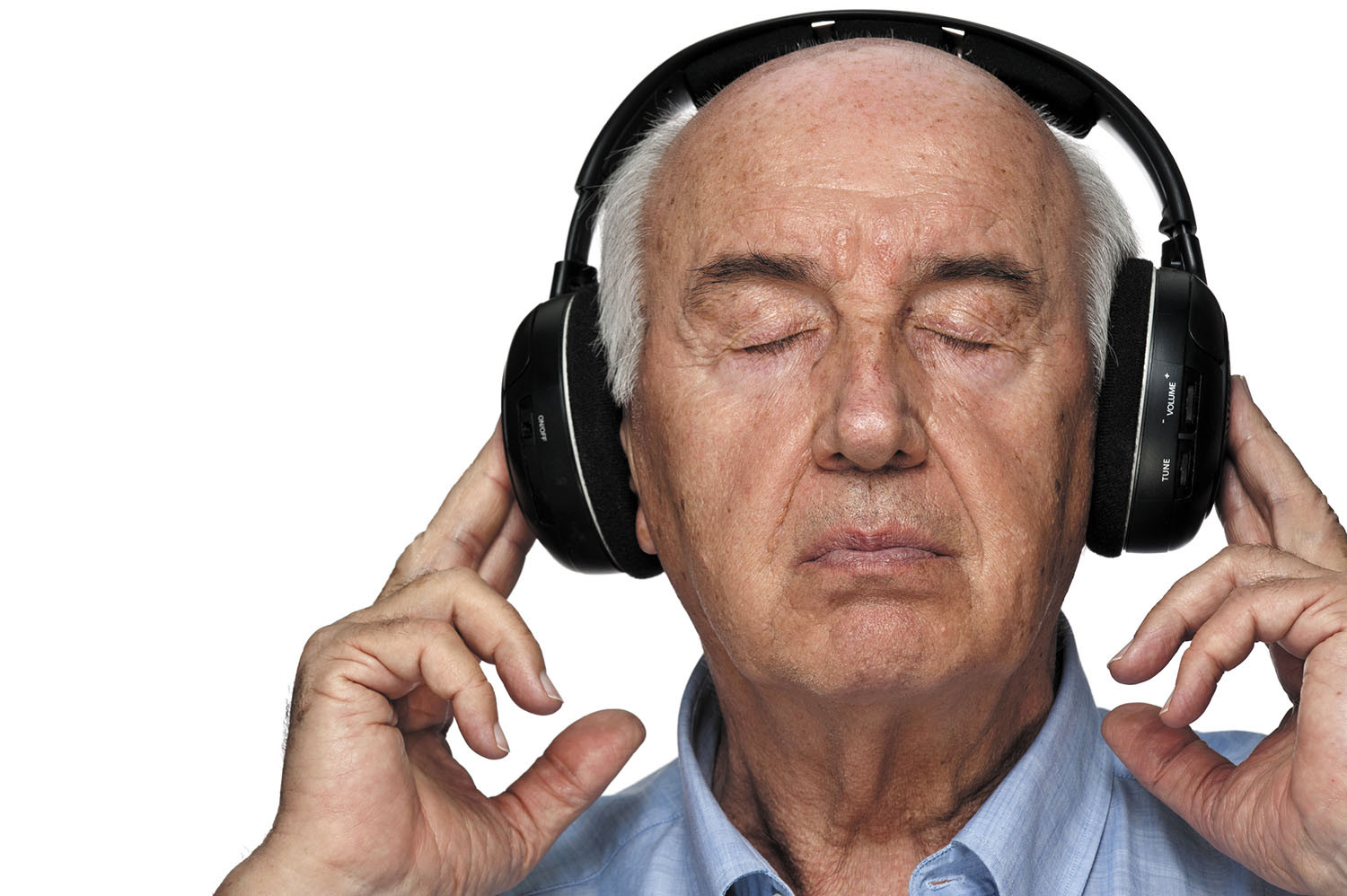
A noisy problem
People often become more sensitive to noise as they age, which can affect their mental and physical health.
Image: © Juanmonino/Getty Images
Are you more sensitive to noises than you used to be? Do certain sounds now feel too loud and jarring? Don't worry; it's actually quite normal.
Age-related hearing loss is common among older adults and affects about two-thirds of men in their 70s and 85% of men ages 80 and older. Although it's not clear why, this can also make people hypersensitive to sounds that they used to tolerate easily, which in turn can affect their well-being.

FDA: Certain antibiotics may bring serious risks
Research we're watching
In December 2018, the FDA issued a warning about certain antibiotics known as fluoroquinolones, a drug class that includes ciprofloxacin (Cipro) and levofloxacin (Levaquin). The drugs are associated with rare ruptures or tears in the body's main artery, the aorta, which can cause serious, sometimes fatal bleeding. Cases were reported in people taking these antibiotics orally or by injection.
Because of this risk, the FDA is advising doctors to try to avoid prescribing these antibiotics to people who are at higher risk for problems with the aorta, unless there are no other antibiotics available to treat the infection. This includes people who have high blood pressure, certain genetic disorders (such as Marfan syndrome and Ehlers-Danlos syndrome), or a history of arterial blockages or aneurysms.


Skipping a beat — the surprise of heart palpitations
Interesting heart palpitations causes and treatment for a case of the heart flutters
Does your heart unexpectedly start to race or pound, or feel like it keeps skipping beats? These sensations are called heart palpitations. For most people, heart palpitations are a once-in-a-blue-moon occurrence. Others have dozens of these heart flutters a day, sometimes so strong that they feel like a heart attack.
Most palpitations are caused by a harmless hiccup in the heart's rhythm. A few reflect a problem in the heart or elsewhere in the body.

Grief can hurt — in more ways than one
Stress and depression may lead to new health issues or intensify the symptoms of existing conditions.
Image: © AlexRaths/Getty Images
We tend to think of grieving as an emotional experience, and it is — fraught with intense sadness, profound loss, and psychological pain. But grief has a physical side that sets us up for a number of health risks. "Most of these side effects are the result of emotional distress responses," explains Dr. Maureen Malin, a geriatric psychiatrist with Harvard-affiliated McLean Hospital. Whether you're grieving the loss of a loved one, a job, a home, or a beloved pet, it's important to understand how the process puts your health in jeopardy.
Stress and grief
Grieving takes a toll on the body in the form of stress. "That affects the whole body and all organ systems, and especially the immune system," Dr. Malin says. Evidence suggests that immune cell function falls and inflammatory responses rise in people who are grieving. That may be why people often get sick more often and use more health care resources during this period.
Whole grains may improve several heart risk factors at once
Light exposure at night may raise risk for heart disease
Children of centenarians may stay healthier and live longer too, study finds
A lumbar belt may help ease low back pain
Signs of pneumonia: Sometimes vague and unexpected
The surprising link between ovarian cancer and the fallopian tubes
Using a vibration plate: What it can — and can't — do for your body
People who walk more or walk faster live longer, study finds
Rosacea treatments: What works?
For sleep apnea, a dental device may be as effective as CPAP
Free Healthbeat Signup
Get the latest in health news delivered to your inbox!
Sign Up
