

Whole grains may improve several heart risk factors at once

Light exposure at night may raise risk for heart disease

Children of centenarians may stay healthier and live longer too, study finds

A lumbar belt may help ease low back pain

Signs of pneumonia: Sometimes vague and unexpected

The surprising link between ovarian cancer and the fallopian tubes

Using a vibration plate: What it can — and can't — do for your body

People who walk more or walk faster live longer, study finds

Rosacea treatments: What works?

For sleep apnea, a dental device may be as effective as CPAP
Mental Health Archive
Articles

Treating opiate addiction, Part II: Alternatives to maintenance
The is the second part of "Treating opiate addiction". Click here to read Part I: Detoxification and maintenance.
Naltrexone
A different kind of drug treatment for opioid use disorder is the long-acting opiate antagonist naltrexone, usually taken once per day after detoxification. It neutralizes or reverses the effects of opiates, and triggers a withdrawal reaction in anyone who is physically dependent on opiates. A person who takes naltrexone faithfully will never relapse, but most people simply stop using it, or refuse to take it in the first place. A newer slow-release naltrexone injection is now available. However, it is too soon to know if it will have a better success rate than the oral form.
Treating opiate addiction, Part I: Detoxification and maintenance
Dozens of opiates and related drugs (sometimes called opioids) have been extracted from the seeds of the opium poppy or synthesized in laboratories. The poppy seed contains morphine and codeine, among other drugs. Synthetic derivatives include hydrocodone (Vicodin), oxycodone (Percodan, OxyContin), hydromorphone (Dilaudid), and heroin (diacetylmorphine). Some synthetic opiates or opioids with a different chemical structure but similar effects on the body and brain are propoxyphene (Darvon), meperidine (Demerol), and methadone. Physicians use many of these drugs to treat pain.
Opiates suppress pain, reduce anxiety, and at sufficiently high doses produce euphoria. Most can be taken by mouth, smoked, or snorted, although addicts often prefer intravenous injection, which gives the strongest, quickest pleasure. The use of intravenous needles can lead to infectious disease, and an overdose, especially taken intravenously, often causes respiratory arrest and death.


Trouble keeping information in mind? Could be sleep, mood — or age
Most people experience some degree of decreased memory as they get older, but memory performance is also affected by mood and sleep quality, and these are factors that can be controlled and improved.

Trouble keeping information in mind? Could be sleep, mood, or age
Most people experience some degree of decreased memory as they get older, but memory performance is also affected by mood and sleep quality, and these are factors that can be controlled and improved.

Father’s Day: Tools for coping when celebration brings pain
While Father’s Day gets less sentimental build up than Mother’s Day, it may still bring out intense emotions for many men even if they are not parents themselves.
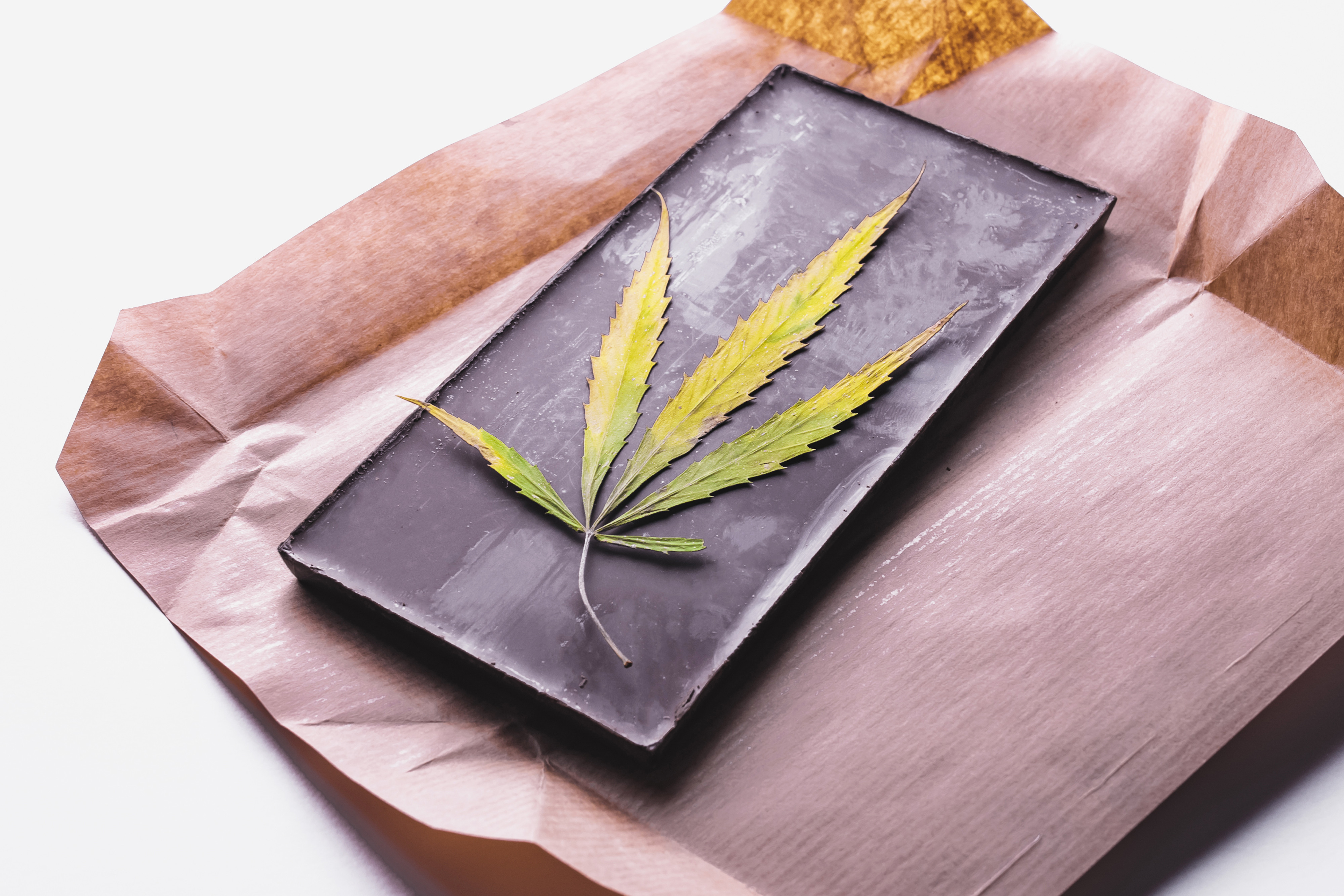
Cannabis is medicine — don’t make it taste good
The increasing availability of cannabis-containing edibles has fueled debate about their safety. As emergency visits rise for treatment related to edibles, some common-sense thinking about how these products are packaged and sold is needed.

Regain your confidence
Lost your self-confidence? These five strategies can help you find it.
As you become older, it's common to lose some confidence as your body changes and you face life-altering events, like retirement, health issues, and loss of loved ones.
"Yet many men don't recognize the impact that lack of confidence can have on their lives," says Fred Silverstone, a licensed mental health counselor and founder of the SAGE (Successful Aging through Group Engagement) program at Harvard-affiliated McLean Hospital. "It can make men more withdrawn, less active, and more fearful about everyday events like driving and handling technology. They begin to believe they can't live like they once did."

Broader social interaction keeps older adults more active
In the journals
A strong social life has been linked with many health benefits, like less risk of depression and longer life span. But a new study suggests that interacting with a wide range of people may offer even greater benefits.
The study, published Feb. 20, 2019, in The Journals of Gerontology, Series B: Psychological Sciences and Social Sciences, found that older adults who interacted with people beyond their usual social circle of family and close friends were more likely to have higher levels of physical activity, greater positive moods, and fewer negative feelings.
Whole grains may improve several heart risk factors at once
Light exposure at night may raise risk for heart disease
Children of centenarians may stay healthier and live longer too, study finds
A lumbar belt may help ease low back pain
Signs of pneumonia: Sometimes vague and unexpected
The surprising link between ovarian cancer and the fallopian tubes
Using a vibration plate: What it can — and can't — do for your body
People who walk more or walk faster live longer, study finds
Rosacea treatments: What works?
For sleep apnea, a dental device may be as effective as CPAP
Free Healthbeat Signup
Get the latest in health news delivered to your inbox!
Sign Up
