

Whole grains may improve several heart risk factors at once

Light exposure at night may raise risk for heart disease

Children of centenarians may stay healthier and live longer too, study finds

A lumbar belt may help ease low back pain

Signs of pneumonia: Sometimes vague and unexpected

The surprising link between ovarian cancer and the fallopian tubes

Using a vibration plate: What it can — and can't — do for your body

People who walk more or walk faster live longer, study finds

Rosacea treatments: What works?

For sleep apnea, a dental device may be as effective as CPAP
Mental Health Archive
Articles

Women with post-traumatic stress disorder may be at higher risk for ovarian cancer
Research we're watching
Could a traumatic experience raise the risk of ovarian cancer? Researchers at the Harvard T.H. Chan School of Public Health and Moffitt Cancer Center found that women who remembered experiencing six or more symptoms of post-traumatic stress disorder (PTSD) had double the risk of later developing ovarian cancer, compared with women who had not reported PTSD symptoms. They were also more likely to develop a more aggressive form of the cancer. The researchers looked at data from more than 50,000 women who participated in the Nurses' Health Study II. Early in the study, women were asked to identify their most stressful life experience and any PTSD symptoms they had experienced following that event. Researchers then looked to see which of the women went on to develop ovarian cancer. The study, published Sept. 5 in Cancer Research, found higher cancer risk persisted even if a woman's PTSD symptoms had occurred decades in the past. Past animal research suggests that stress hormones may spur tumor growth.
Image: martinedoucet/Getty Images

Bisexuality and health: The cost of invisibility
People who identify as bisexual represent a substantial part of the population, yet research focusing on their health lags. Which health problems are more likely to occur in people who are bisexual and what might help to counter them?
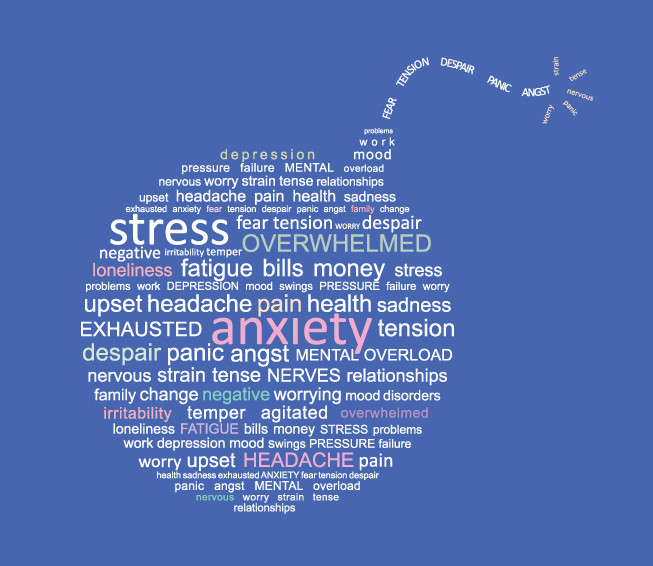
Can exercise help treat anxiety?
Millions of Americans report having an anxiety disorder. Evidence shows engaging in any sort of physical activity is one of the best ways to ease symptoms of anxiety. Regular activity is best, but even a single bout can help.

Making young minds resilient to disasters
Trauma from experiencing a natural disaster can have long-term effects on the mental and physical health of children. Supportive parents, teachers, and other adults can help children build resilience.

If you are happy and you know it… you may live longer
Plenty of research associates optimism with a reduced risk of certain diseases and conditions. Now, a study suggests that optimistic people are also more likely to live longer.

Medications for depression: Which is best?
There are many medications that can be used to treat mood disorders. But finding the right one can be a lengthy process, and the choice can be more complicated than you might imagine. Just because a particular drug worked for a friend doesn't mean it will work for you. Psychiatrists and doctors who prescribe antidepressants choose a particular drug and dosage based on many factors, including the following:
- Diagnosis. Certain drugs are a better choice for specific symptoms and types of depression. For example, an antidepressant that makes you sleepy may be better when insomnia is an issue. The severity of your illness or the presence of anxiety, obsessions, or compulsions may also dictate the choice of one drug over another.
- Side effects. You may first want to choose a drug based on which side effect you most want to avoid. Medications vary in the likelihood they will cause such problems as sexual effects, weight gain, or sedation.
- Age. As you age, your body tends to break down drugs more slowly. Thus, older people may need a lower dose. For children, only a few medications have been studied carefully.
- Health. If you have certain health problems, it's best to avoid certain drugs. For example, your doctor will want to consider factors such as heart disease or neurological illnesses when recommending a drug. For this reason, it's important to discuss medical problems with a primary care doctor or psychiatrist before starting an antidepressant.
- Medications, supplements, and diet. When combined with certain drugs or substances, antidepressants may not work as well, or they may have worrisome or dangerous side effects. For example, combining an SSRI or another antidepressant with the herbal remedy St. John's wort can boost serotonin to dangerous and, in rare cases, fatal levels. Mixing St. John's wort with other drugs—including certain drugs to control HIV infection, cancer medications, and birth control pills—might lower their effectiveness. Women receiving tamoxifen for breast cancer should take an antidepressant that does not interfere with tamoxifen's effectiveness. Eating certain foods, such as aged cheeses and cured meats, while taking an MAOI can cause a dangerous rise in blood pressure.
- Alcohol or drugs. Alcohol and other substances can cause depression and make antidepressants less effective. Doctors often treat alcohol or drug addiction first if they believe either is causing the depression. In many instances, simultaneous treatment for addiction and depression is warranted.
- Personal and family mental health and medication history. If you or a member of your family has had a good response to a medication in the past, that information may guide your choice. Depending on the nature and course of your depression (for example, if your depression is long-lasting or difficult to treat), you may need a higher dose or a combination of drugs. This may also be true if an antidepressant has stopped working for you, which may occur after you've used it for some time or after you've stopped and restarted treatment with it.
- Cost. Since all antidepressants are roughly equivalent in their effectiveness, you won't lose anything by trying a generic version first.
- Your preference. Once you have learned as much as you can about the treatment options, your doctor will want to know what approach makes most sense given your lifestyle, your interests, and your judgment.
To learn more strategies for battling depression, check out Understanding Depression, a Special Health Report from Harvard Medical School.
PrEP prevents HIV — so why aren’t more people taking it?
PrEP (pre-exposure prophylaxis) is a daily medication taken to prevent HIV infection. While multiple studies show PrEP is effective, relatively few of those who might benefit are taking it. Will a 10-year initiative to reduce rates of HIV and a new formulation of PrEP help?

Protect your heart, preserve your mind?
Heart attacks may leave people more vulnerable to thinking and memory problems as they age.
Growing older often means slowing down, both physically and mentally. Just as people can't move quite as fast as when they were younger, their thinking and memory abilities — known as cognitive function — may also slowly wane.
Now, new research suggests that people who have a heart attack or angina (chest pain caused by reduced blood flow to the heart) may face a faster drop in thinking skills than people who don't experience those heart-related problems.
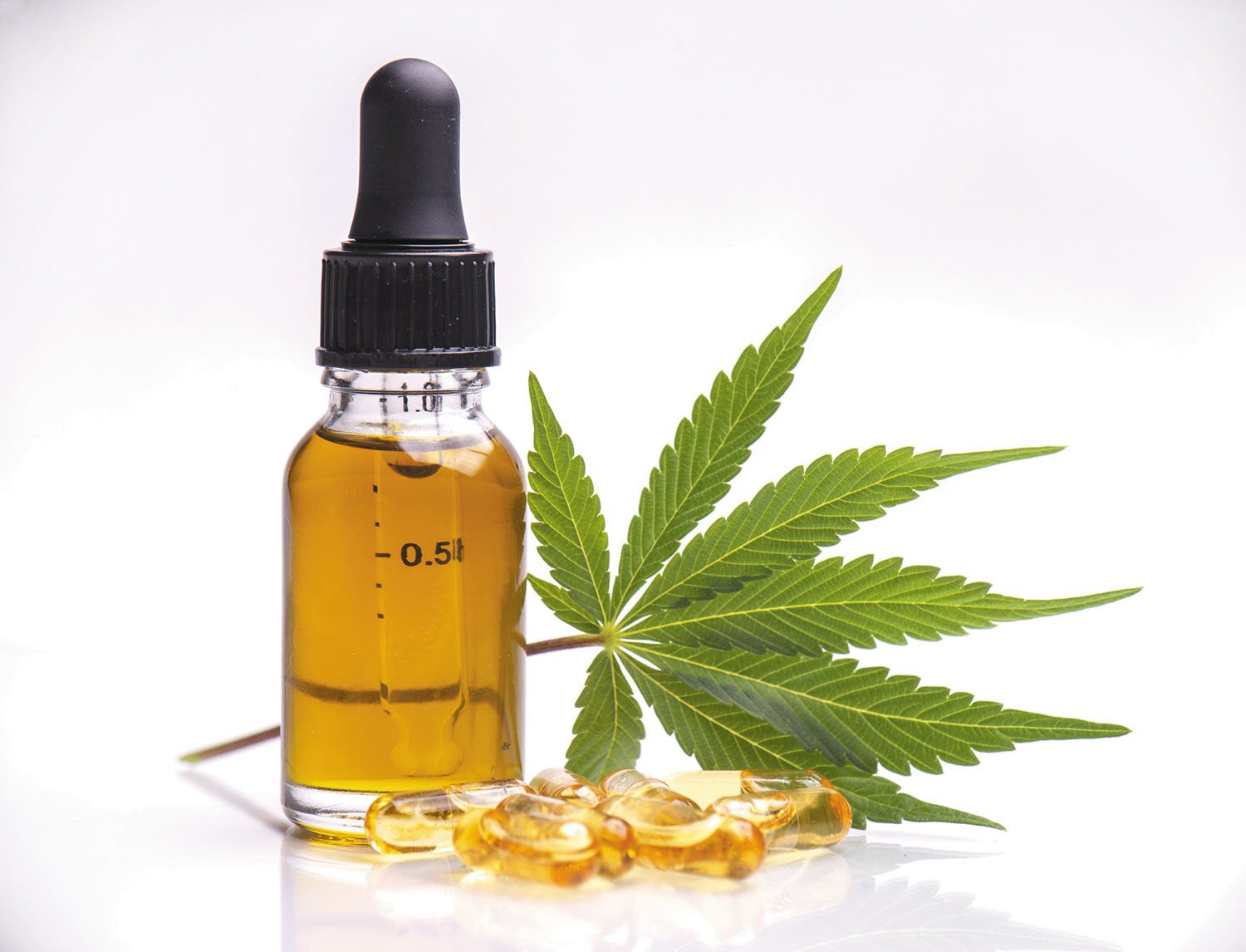
Know the facts about CBD products
The extract from the cannabis plant is the hot new treatment for all kinds of ailments, but don't buy into it just yet.
Cannabidiol (CBD), extracted from the cannabis or hemp plant, has been promoted as the latest miracle cure for everything from aches and pains to anxiety and sleep disorders. There is a good chance you've heard a friend share his or her story about the wonders of CBD.
But is it miraculous — or just a mirage?
"CBD is being used over the counter in a range of ways that is not supported by the science," says Dr. Jordan Tishler, instructor of medicine at Harvard Medical School and president of the Association of Cannabis Specialists. "There is still much we don't know. But aggressive marketing, hype, and word of mouth have made CBD like a drug version of the emperor's new clothes. Everyone says it works, but lab studies suggest that it's really not what people think."

Difficult relationships linked to bone loss
Research we're watching
Can emotional stress harm your bones? A new study found an association between stressful social relationships and bone problems in women. The study, which was published online July 9 by the Journal of Epidemiology & Community Health, found that women who reported high levels of social stress had lower bone density six years later. The study looked at more than 11,000 postmenopausal women. At the time of enrollment, the women filled out a questionnaire that asked them to rate their social stress levels and had their bone density measured both at enrollment and six years later at a follow-up appointment. Women who had reported high levels of stress at the initial interview showed a bigger decline in bone density at the follow-up compared with women who'd initially reported lower stress levels. This was true even after the researchers adjusted for other factors that may affect bone health, such as age, weight, smoking, alcohol use, and education, among others. The authors speculated that stress may harm bone health because stress leads to higher blood cortisol levels, a well-established reason for lower bone density. Further study is needed to understand and confirm the results.
Image: moodboard/Getty Images
Whole grains may improve several heart risk factors at once
Light exposure at night may raise risk for heart disease
Children of centenarians may stay healthier and live longer too, study finds
A lumbar belt may help ease low back pain
Signs of pneumonia: Sometimes vague and unexpected
The surprising link between ovarian cancer and the fallopian tubes
Using a vibration plate: What it can — and can't — do for your body
People who walk more or walk faster live longer, study finds
Rosacea treatments: What works?
For sleep apnea, a dental device may be as effective as CPAP
Free Healthbeat Signup
Get the latest in health news delivered to your inbox!
Sign Up
