

Using a vibration plate: What it can — and can't — do for your body

The surprising link between ovarian cancer and the fallopian tubes

People who walk more or walk faster live longer, study finds

For sleep apnea, a dental device may be as effective as CPAP

Rosacea treatments: What works?

Carb cycling: What is it, and does it work?

Salmonella, E. coli, Cyclospora, and other germs that cause food poisoning: What you need to know

Melatonin or magnesium: Can either supplement help you sleep?

Understanding orthorexia: Have your healthy eating goals gone too far?

Naturally gluten-free foods
Mental Health Archive
Articles
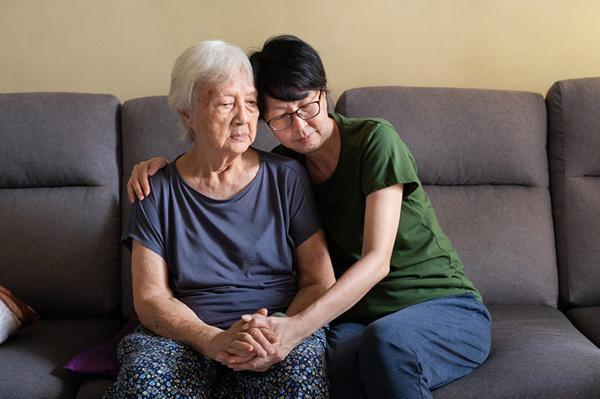
How can caregiving affect your health?
Caregiving can have physical and mental effects. Explore ways to cope and find support.
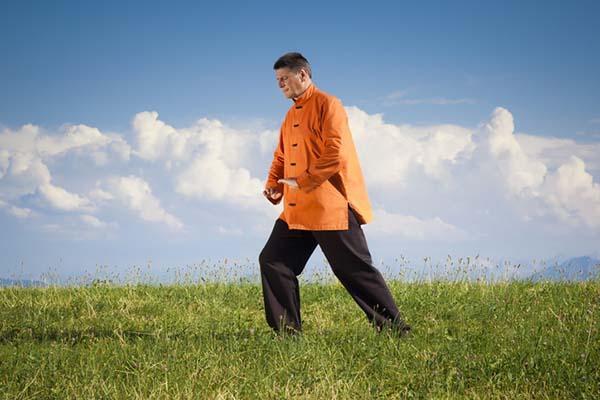
Tai chi walking: What is it and does it work?
Tai chi walking is an accessible introduction to tai chi. The process of slowing down steps, shifting weight deliberately, and focusing on breathing may improve balance, gait, mindfulness, and lower-leg strength.

How can past substance use affect aging?
Past smoking, heavy drinking, and drug use can raise lasting questions about aging. Find out which factors shape future health and longevity.
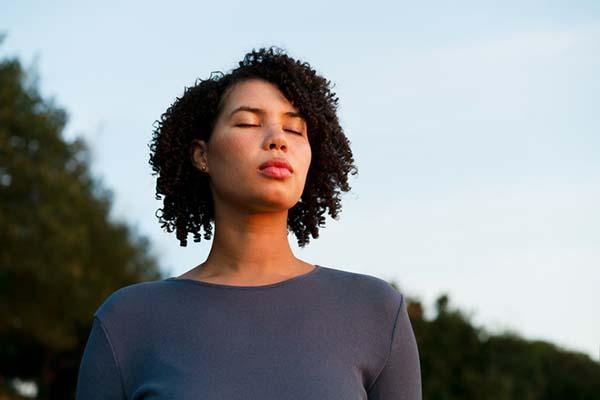
Mindfulness practices to reduce stress and improve focus
Mindfulness is the process of paying attention to one’s surroundings with an attitude of acceptance. Mindfulness practices can anchor people’s consciousness moment by moment, helping them to ease stress and anxiety and to sustain attention. Mindfulness practices can be done while sitting, walking, and eating.
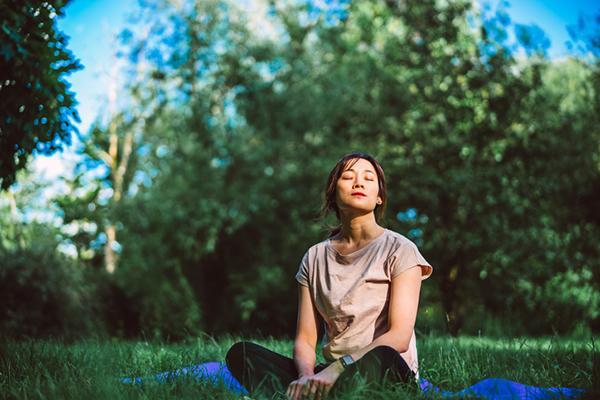
Meditation techniques: How to meditate for stress, sleep, and focus
Meditation is a family of mind-body practices that focus attention to help calm the nervous system and support overall well-being. Consistent daily practice can result in modest improvements in stress, anxiety, sleep, mood, and attention, though meditation is not a substitute for medical or psychological care.
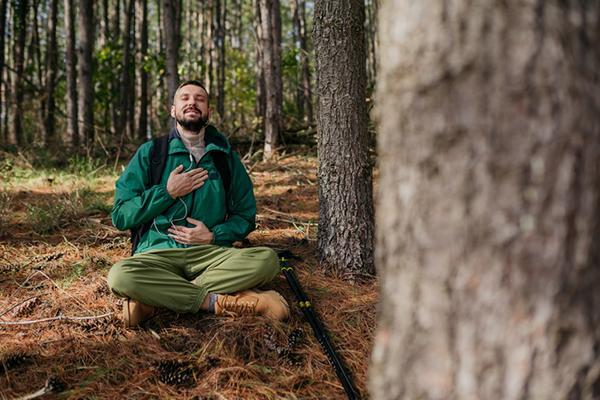
The health benefits of forest bathing
Forest bathing, which originated in Japan, means spending time in the woods or other natural setting, immersed in the surrounding sights, sounds, and smells. Research suggests that the practice may reduce the harmful health effects of stress.

The health risks of gray divorce: Stress, insomnia, high blood pressure, and more
Gray divorce—which involves couples ages 50 and older ending their marriage—has become more common over the past 30 years. While divorce increases the odds of mental and physical health problems at any age, older adults face heightened health risks during a stage when many people already have chronic conditions.
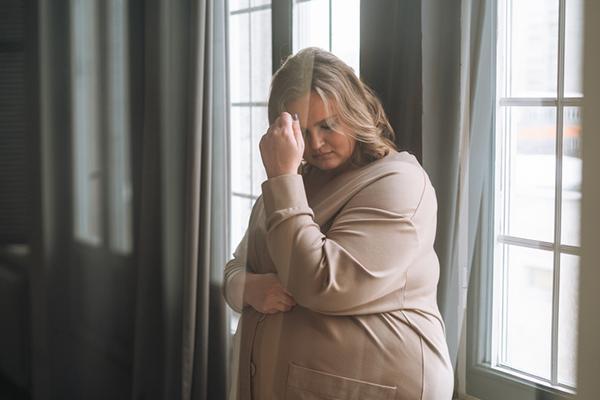
Could there be a connection between obesity, depression, and fibromyalgia?
Many people with fibromyalgia also struggle with mood changes and extra weight. Research suggests links, but which comes first remains unclear.
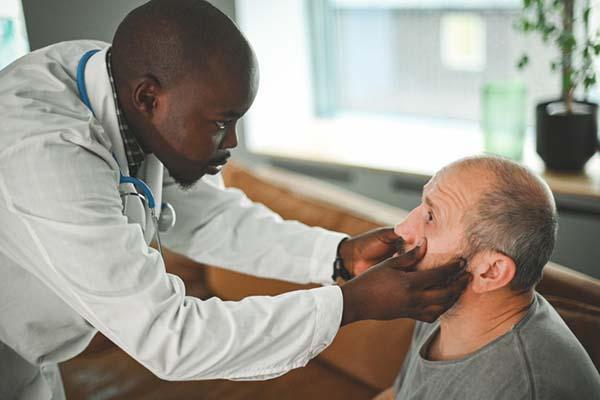
Can stress cause Bell's palsy?
Explore what doctors know about Bell’s palsy triggers, from stress to viral infections and diabetes, and why pinpointing a cause is tricky
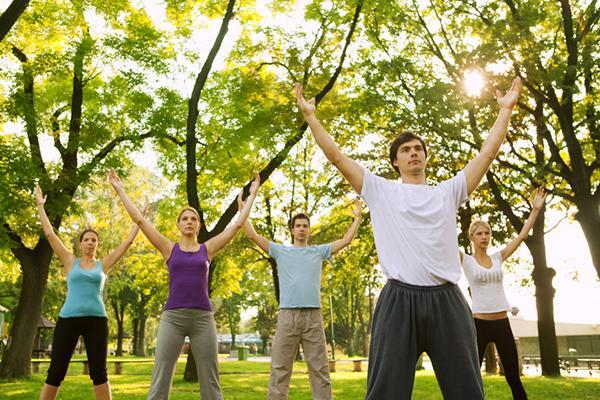
Try this tai chi exercise to relieve stress
Tai chi exercises combine slow, flowing movements with deep breathing and guided imagery. The practice can help promote relaxation and reduce the harmful effects of stress, which include high blood pressure and related cardiovascular problems.
Using a vibration plate: What it can — and can't — do for your body
The surprising link between ovarian cancer and the fallopian tubes
People who walk more or walk faster live longer, study finds
For sleep apnea, a dental device may be as effective as CPAP
Rosacea treatments: What works?
Carb cycling: What is it, and does it work?
Salmonella, E. coli, Cyclospora, and other germs that cause food poisoning: What you need to know
Melatonin or magnesium: Can either supplement help you sleep?
Understanding orthorexia: Have your healthy eating goals gone too far?
Naturally gluten-free foods
Free Healthbeat Signup
Get the latest in health news delivered to your inbox!
Sign Up
