










Lose more weight and protect your heart by pairing exercise with eating fewer calories
News briefs
- Reviewed by Robert H. Shmerling, MD, Senior Faculty Editor, Harvard Health Publishing; Editorial Advisory Board Member, Harvard Health Publishing
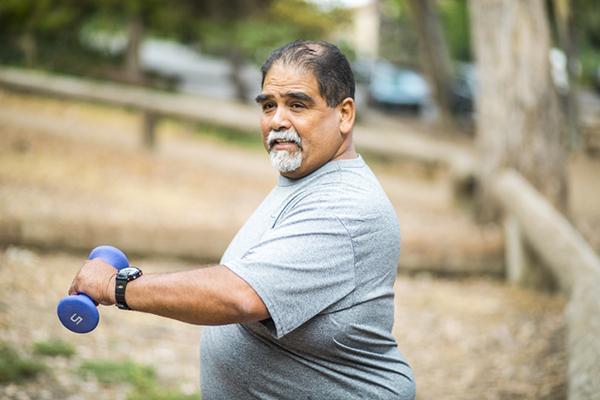
If you’re trying to lose weight, exercising more without eating less may not help you shed many pounds. But even without weight loss, exercise can still improve your blood pressure, cholesterol, and blood sugar regulation, according to a new scientific statement from the American Heart Association (AHA).
More than 40% of adults in the United States have obesity, which is strongly linked to many risk factors for heart disease. To address this problem, exercise can provide a powerful supporting role in combination with other treatments, including dietary changes, weight-loss medications, or surgery, according to the statement, which was published online June 1, 2026, by Circulation.
When people lose weight by eating fewer calories, they may lose muscle mass. Adding exercise — especially strength training — can help preserve muscle, particularly for middle-aged and older adults. Eating the recommended amount of protein also helps preserve muscle while losing fat (see this online protein calculator from the USDA to determine your daily need). Maintaining muscle mass helps improve metabolism, including blood sugar control.
The AHA advises adults to do at least 150 minutes of moderate-intensity aerobic exercise or 75 minutes of vigorous aerobic exercise each week, coupled with muscle-strengthening exercises two or more days per week. To keep lost weight off, however, you need even higher levels of consistent physical activity — often 200 to 300 minutes of moderate-intensity exercise per week. But if you can’t reach those levels, staying as active as possible still helps, even if you regain some of the lost weight.
The statement also recommends using a wide range of options to support weight loss, including weight-loss medication or surgery, as well as consultations with professionals such as physical therapists, exercise physiologists, registered dietitians, health coaches, and behavior counselors.
Image: © adamkaz/Getty Images
About the Author

Julie Corliss, Executive Editor, Harvard Heart Letter
About the Reviewer

Robert H. Shmerling, MD, Senior Faculty Editor, Harvard Health Publishing; Editorial Advisory Board Member, Harvard Health Publishing
Disclaimer:
As a service to our readers, Harvard Health Publishing provides access to our library of archived content. Please note the date of last review or update on all articles.
No content on this site, regardless of date, should ever be used as a substitute for direct medical advice from your doctor or other qualified clinician.


