

Using a vibration plate: What it can — and can't — do for your body

The surprising link between ovarian cancer and the fallopian tubes

People who walk more or walk faster live longer, study finds

For sleep apnea, a dental device may be as effective as CPAP

Rosacea treatments: What works?

Carb cycling: What is it, and does it work?

Salmonella, E. coli, Cyclospora, and other germs that cause food poisoning: What you need to know

Melatonin or magnesium: Can either supplement help you sleep?

Understanding orthorexia: Have your healthy eating goals gone too far?

Naturally gluten-free foods
Mental Health Archive
Articles

Holiday arguments brewing? Here's how to defuse them
The holidays are supposed to be filled with love, laughter, and good cheer. Unfortunately, joyous celebration often deteriorates into discord when family and friends gather during the season. But you don’t have to get drawn into arguments if you plan ahead and stay alert for potential triggers.

Want more happiness? Try this
What could you do today to feel happier? Three strategies drawn from positive psychology, a field that aims to improve moods and lives, may help.
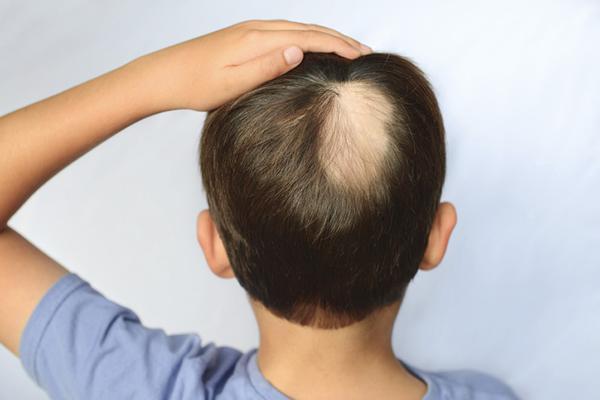
What could cause hair loss in a preteen boy?
Bald spots or thinning hair in pre‑teen boys can happen for a number of reasons. These include scalp infections, tight hairstyles, immune conditions, or stress.

Video: Recharge your mind with mindfulness
Practicing mindfulness is a healthier, more sustainable source of energy and focus than relying on caffeine or sugar. This video shows you how to practice mindfulness by paying attention to breathing, physical sensations, and everyday activities in the present moment without judgment.

Tackling the top stressors for dementia caregivers
Caring for a person with dementia is physically, emotionally, logistically, and financially demanding. Caregivers can benefit from numerous services, such as caregiver support groups; respite care; and dementia care navigators, such as the local Area Agency on Aging (which can provide a long list of resources) or a local hospital dementia care program. It can also help to speak to doctors about consolidating appointments for the person with dementia and to reach out to family and friends to ask for assistance.

Bridging the gap: Dementia communication strategies
Communicating with someone with dementia can be tricky, since their ability to understand others and express themselves fluctuates and declines. Certain communication strategies can help smooth interactions between caregivers and dementia patients. They include being an active listener, avoiding confrontation, agreeing with the patient's reality, removing distractions, using shorter sentences and smaller words, asking yes-or-no questions, using written lists and schedules, and incorporating touch.

Caregiver nation: New tools to manage a family member's health as well as your own
There are all kinds of free educational opportunities designed to help family caregivers jump into their roles and better manage their own health. Family caregiver education is available in classes or workshops you attend in person. The Internet offers how-to articles, videos, podcasts, books, and guides for caregivers. Topics range from the basics of caregiving to the more nuanced challenges, such as communicating with a person with dementia. Many classes focus on how to cope as a caregiver and maintain one's health and wellness.

Are you healthy enough to age in place?
There are many health-related requirements for living independently in older age. For example, one needs sharp thinking skills in order to manage medications, pay bills, choose clothes for the day, and select and buy groceries; and one needs strength, balance, and flexibility in order to get up from a chair, cook, or clean. People with weakening aspects of health should talk to a doctor for potential solutions to improve or cope with health challenges in order to continue living independently.


Self-care for the caregiver
The challenges of caregiving can easily lead to burnout, so it's extremely important for caregivers to pay attention to their own needs and make sure they are caring for themselves, physically and emotionally.
Using a vibration plate: What it can — and can't — do for your body
The surprising link between ovarian cancer and the fallopian tubes
People who walk more or walk faster live longer, study finds
For sleep apnea, a dental device may be as effective as CPAP
Rosacea treatments: What works?
Carb cycling: What is it, and does it work?
Salmonella, E. coli, Cyclospora, and other germs that cause food poisoning: What you need to know
Melatonin or magnesium: Can either supplement help you sleep?
Understanding orthorexia: Have your healthy eating goals gone too far?
Naturally gluten-free foods
Free Healthbeat Signup
Get the latest in health news delivered to your inbox!
Sign Up
