

Healing after food poisoning

What is tempeh? Benefits, nutrition, and how to use it

Light exposure at night may raise risk for heart disease

Whole grains may improve several heart risk factors at once

A lumbar belt may help ease low back pain

Children of centenarians may stay healthier and live longer too, study finds

Signs of pneumonia: Sometimes vague and unexpected

The surprising link between ovarian cancer and the fallopian tubes

Using a vibration plate: What it can — and can't — do for your body

People who walk more or walk faster live longer, study finds
Mental Health Archive
Articles

Advancing age and mental health disorders
People have a 50% chance of developing at least one mental health disorder by age 75, according to some research. Among men, the most common are alcohol use disorder, depression, and anxiety disorders, with social anxiety disorder being the most prevalent of those. Many men miss the early warning signs of these disorders, or when they do, they often try to push through, which can worsen the symptoms. But identifying when they might have a problem is the first step toward seeking help.

Try this: Light therapy
Light therapy uses light boxes that emit a bright, white light. Exposure to this light can control a person's circadian rhythm-the body's internal 24-hour sleep-wake clock-and help manage and prevent seasonal affective disorder.
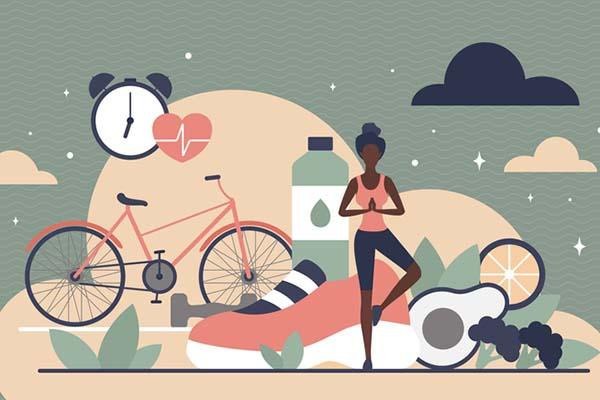
5 timeless habits for better health
Influencers, news headlines, and well-meaning friends and family offer conflicting advice on wellness. Quick fixes and fads may do little for our health, and some even prove harmful. Try to work these five simple habits that can boost health and wellness into your everyday life.
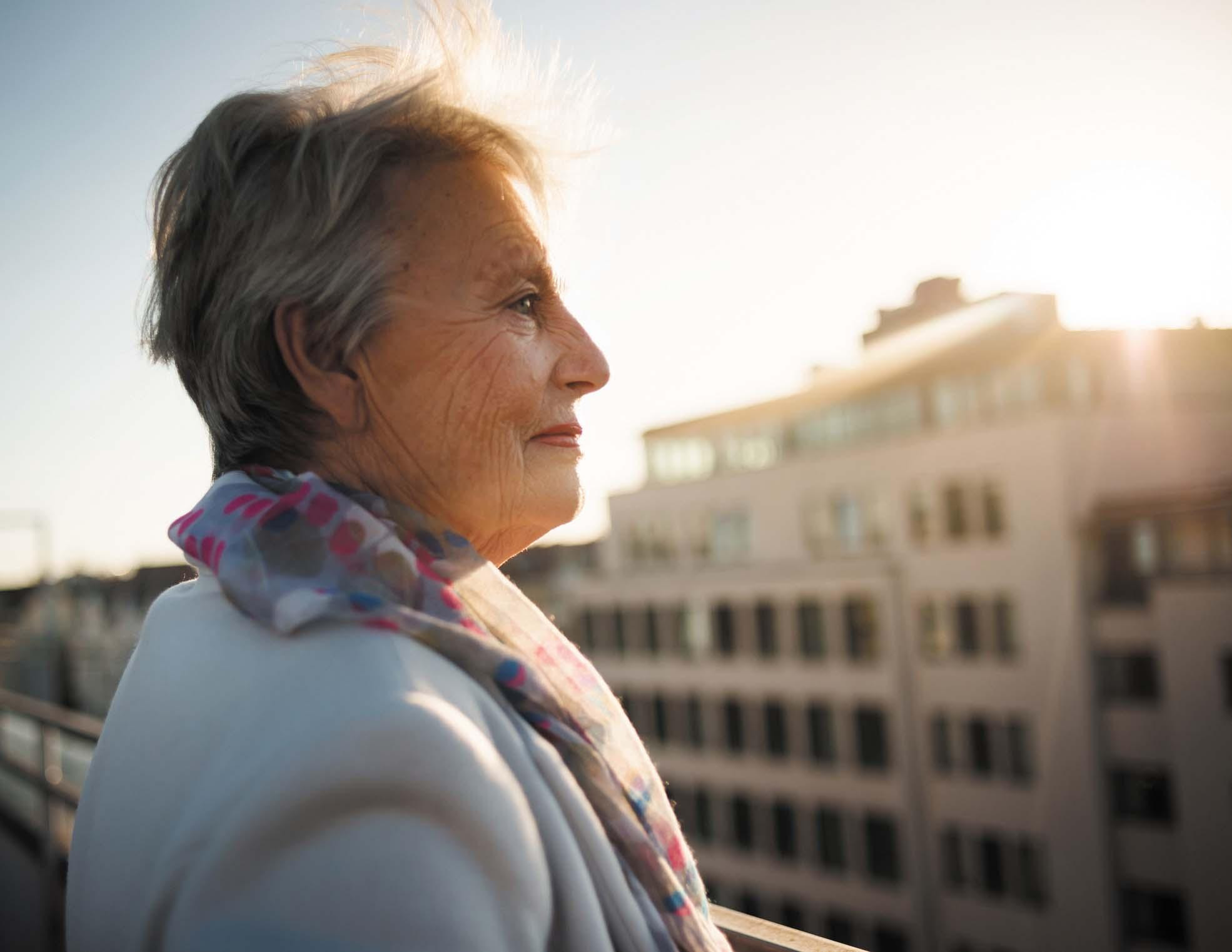
Solo aging: Who can you rely on?
Solo-agers are people 50 and older who aren't married, don't have children, and live alone. Many of them don't have people they can count on to help them with household tasks or manage their ongoing care, if needed. While solo aging can offer perks, it can also leave older adults vulnerable to deteriorating mental and physical health. Solo-agers may count on help from siblings, neighbors, friends, community groups, or paid help. They can build their support by setting up a buddy system, staying in regular touch with loved ones, and tapping senior programs.
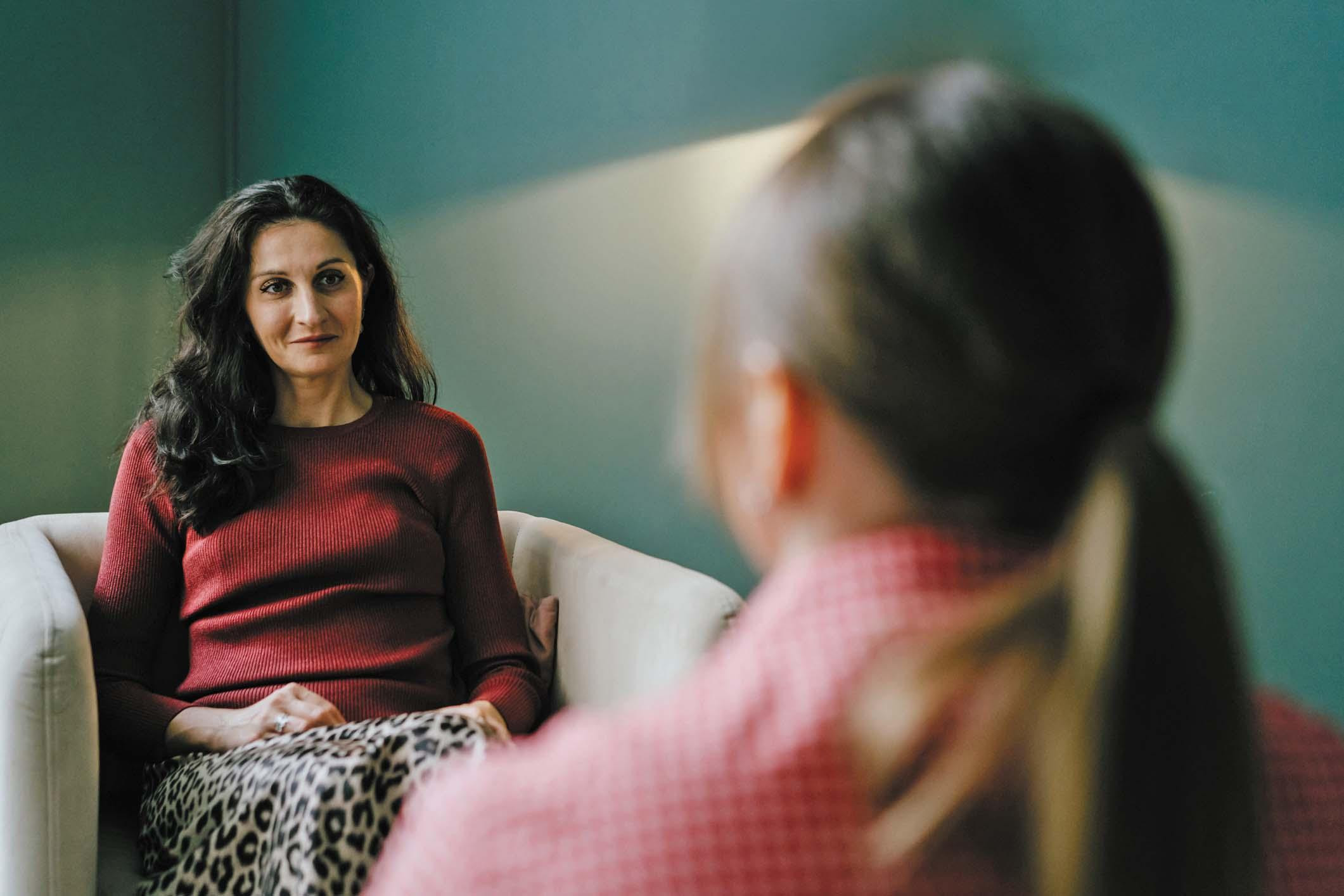
Hidden hurdles to mental health care
A quarter of American adults live with a mental health disorder such as anxiety, depression, obsessive-compulsive disorder, or post-traumatic stress disorder. But more than half don't seek help. Internal and external barriers may stop them from getting the care they need. Internal barriers are emotions or excuses people make to avoid treatment. External barriers include cost or difficulty finding a provider who can meet someone's individual needs. To push past obstacles, people can investigate less-expensive mental health programs or reframe guilt-inducing thoughts.
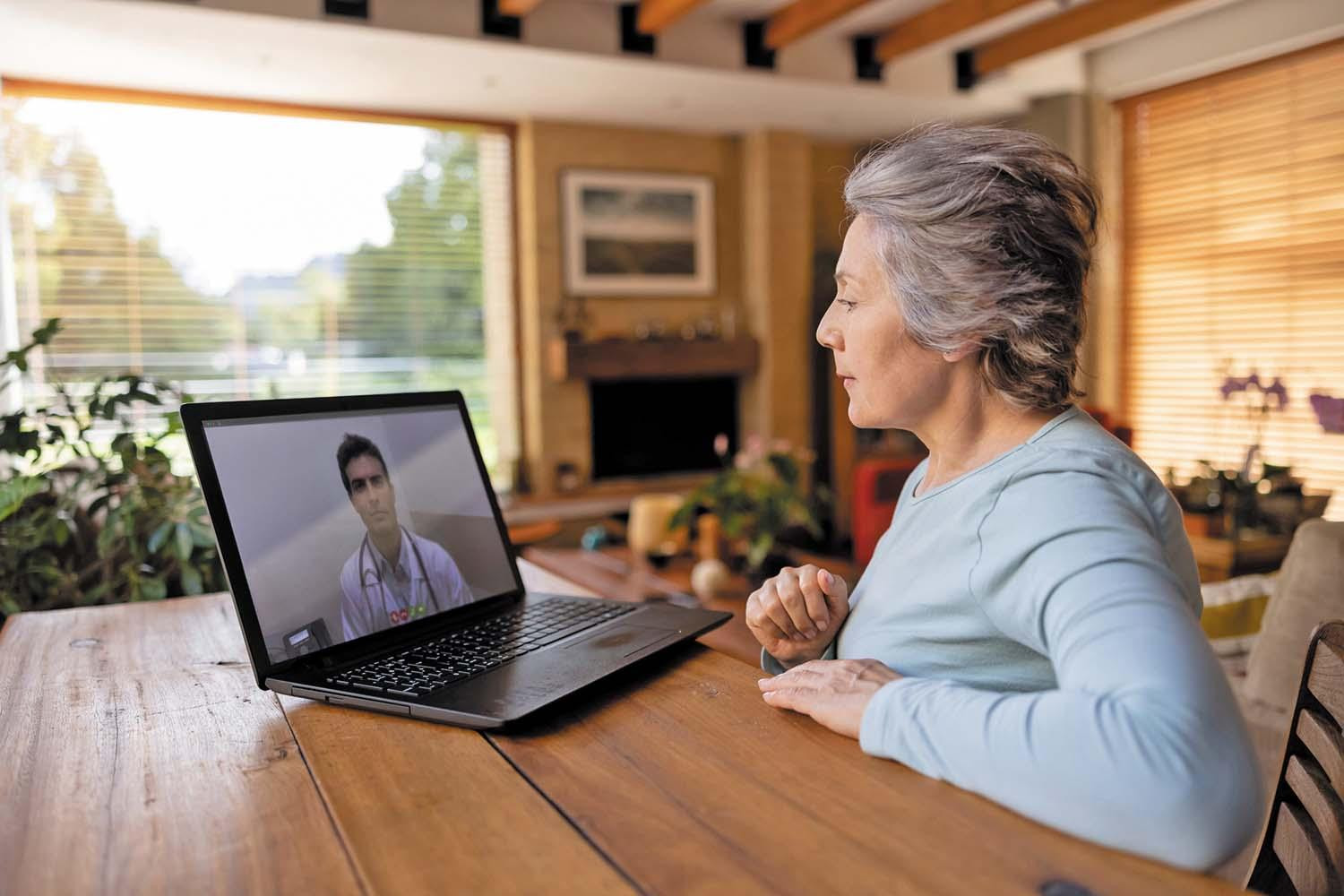
Heart disease and depression: A two way street
A heart disease diagnosis may trigger a bout of depression. But having depression can also leave people more vulnerable to heart disease. Some of the overlap stems from shared lifestyle factors, such as inactivity and an unhealthy diet. In addition to addressing those issues, other safe and effective ways to ease depression include working with a therapist, using a light box, and taking medications.

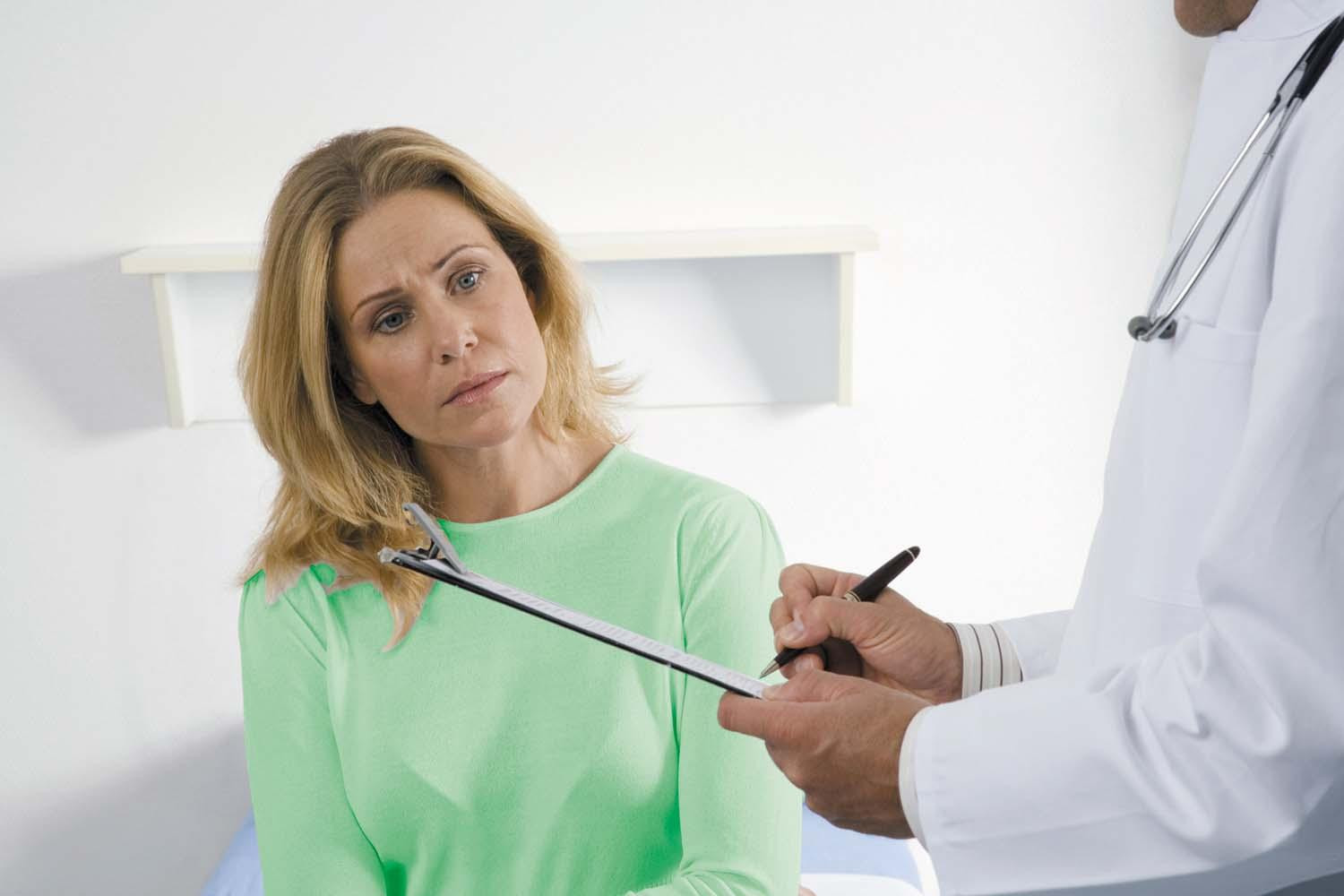
Second-guessing symptoms
While many health symptoms resolve quickly on their own, others linger and make people wonder if they need to see a doctor. Symptoms that warrant a doctor's visit include drawn-out cold symptoms such as fatigue, cough, and low-grade fever; a fever lasting more than four days; unexpected symptoms when starting a new medication or after surgery; certain digestive problems; and new or worsening mental health issues.

Working during retirement years
Continuing to work in retirement can address many specific health needs of men as they age, such as stronger social connection, better cognitive health, and a greater sense of purpose. Regular work has been linked with higher rates of happiness and a lower risk for multiple health conditions. For men who don't want to re-enter the workforce, options like volunteering and mentoring can offer many of the same health benefits.

Chronic stress may raise women's stroke risk
A 2025 study found that chronic stress is associated with higher stroke risks among women under 50, but not in men.
Healing after food poisoning
What is tempeh? Benefits, nutrition, and how to use it
Light exposure at night may raise risk for heart disease
Whole grains may improve several heart risk factors at once
A lumbar belt may help ease low back pain
Children of centenarians may stay healthier and live longer too, study finds
Signs of pneumonia: Sometimes vague and unexpected
The surprising link between ovarian cancer and the fallopian tubes
Using a vibration plate: What it can — and can't — do for your body
People who walk more or walk faster live longer, study finds
Free Healthbeat Signup
Get the latest in health news delivered to your inbox!
Sign Up
