

Whole grains may improve several heart risk factors at once

Light exposure at night may raise risk for heart disease

Children of centenarians may stay healthier and live longer too, study finds

A lumbar belt may help ease low back pain

Signs of pneumonia: Sometimes vague and unexpected

The surprising link between ovarian cancer and the fallopian tubes

Using a vibration plate: What it can — and can't — do for your body

People who walk more or walk faster live longer, study finds

Rosacea treatments: What works?

For sleep apnea, a dental device may be as effective as CPAP
Mental Health Archive
Articles

Winning the weight battle after menopause
Lifestyle changes may not always be enough to control biologically driven body changes.
You spend hours in the gym every day. You eat nothing but grilled chicken, fish, and salads. Yet the numbers on the scale don't budge — or worse, they slowly creep up, along with your waist measurement.
Welcome to menopause.
"The change" actually does bring changes for many women, including weight gain that can resist even the most diligent efforts to reverse it, says Dr. Fatima Cody Stanford, instructor in medicine at Harvard Medical School.

Want to prevent dementia? Improve your everyday health habits
Research we're watching
The World Health Organization has some advice for people who want to reduce their risk of dementia — pay attention to your overall health. Specifically, the organization's new guidelines recommend regular exercise, maintaining a healthy weight, regulating blood sugar levels, and keeping cholesterol within recommended limits.
Experts also recommend giving up unhealthy habits, including drinking and smoking. In short, strategies that you already know are good for your heart and overall health are also good for your brain. Preventing dementia is a focus because it has become a growing health problem, which affects some 50 million people around the world. The WHO estimates that nearly 10 million people each year develop the condition.

Skip vitamins, focus on lifestyle to avoid dementia
News briefs
Vitamins and supplements won't help stave off dementia, but a healthy lifestyle might, suggest new guidelines released May 19, 2019, by the World Health Organization (WHO). The WHO warns that the number of new dementia cases around the world — currently 10 million per year — is set to triple by 2050. While there's no cure for any kind of dementia (such as Alzheimer's disease and vascular dementia), the WHO says it may be possible to delay the onset of the disease or slow its progression. The key: managing modifiable risks, such as chronic disease and unhealthy habits. The guidelines recommend that you keep your weight, cholesterol, blood pressure, and blood sugar under control; get lots of exercise; and eat a Mediterranean-style diet (which emphasizes olive oil, fruits, vegetables, nuts, and fish; minimizes red meats and processed meats; and includes a moderate amount of cheese and wine). The WHO also advises that you don't smoke and you avoid harmful use of alcohol (no more than one drink per day for women, no more than two drinks for men). But don't count on supplements to help you stave off dementia. The WHO says there's no evidence that vitamin B, vitamin E, multivitamins, or fish oil supplements help reduce the risk for dementia. The agency recommends against using supplements as a means to ward off cognitive decline.
Image: © kali9/Getty Images

Long-lasting grief when close friends pass
News briefs
Losing a loved one is never easy, and sometimes it can take years to grieve for a partner, parent, or child. That grief often comes with adverse health effects, such as stress, depression, insomnia, high blood pressure, and heart problems. But long-lasting grief doesn't come only from a family member's death, suggests a study published online April 4, 2019, by PLOS One. Researchers evaluated questionnaire responses from about 9,600 people who'd lost close friends and found this type of grief can last up to four years. Women in the study were particularly hard hit by loss of a close friend, experiencing more problems with mental, emotional, and social health than men. Study authors say the passing of a close friend should be considered a substantial experience that warrants help (like a support group) to minimize the negative effects of grief.
Our take: Grief of any kind poses a health risk, whether it's due to the loss of someone dear or a dramatic change in life, such as a job loss or a move to a new city. During such times, be especially vigilant about reporting disturbing new symptoms to your doctor.

Get the facts about memory loss
Many conditions can affect your memory and thinking.
Dementia, Alzheimer's disease, mild cognitive impairment. These terms are often mentioned together to describe age-related memory loss. While they are linked in some ways, they are not necessarily the same, and they often affect people differently.
"Even though memory loss is more common as you age, it is not part of normal aging," says Dr. Gad Marshall, associate medical director of the Center for Alzheimer Research and Treatment at Harvard-affiliated Brigham and Women's Hospital. "Either sudden or gradual persistent changes in memory loss and mental lapses can be signs of more serious conditions."

E-cigarettes: Hazardous or helpful?
Their efficacy as a tool for quitting regular cigarettes and their long-term safety remain concerning.
Even if you never touch cigarettes, you probably know someone who does (or did) smoke. Nearly half of Americans smoked in the mid-1960s, compared with just 14% today. Still, cigarette smoking is responsible for nearly one in five deaths in the United States, and about one-third of those are due to heart disease.
What about electronic cigarettes (e-cigarettes), the latest smoking trend? These battery-operated devices heat up a liquid, creating a vapor that users inhale and exhale, a practice known as "vaping." Although e-cigarettes were initially targeted to young people, more recent ad campaigns feature middle-aged, long-time smokers who have switched to vaping. Is vaping safer than smoking, especially from a cardiovascular perspective? And can these products help people quit regular cigarettes?

What can you do to avoid Alzheimer’s disease?
How a healthy lifestyle can make a difference in Alzheimer’s prevention.
Alzheimer's disease, the most common form of dementia, is characterized by the accumulation of two types of protein in the brain: tangles (tau) and plaques (amyloid-beta). Eventually, Alzheimer's kills brain cells and takes people's lives.
Alzheimer’s causes
What causes Alzheimer's? We still aren't sure. "For 1% of all cases, there are three genes that determine definitively whether or not you will have Alzheimer's, and all three relate to amyloid-beta production, which in these cases is likely the cause of Alzheimer's," says Dr. Gad Marshall, associate medical director of clinical trials at the Center for Alzheimer Research and Treatment at Harvard-affiliated Brigham and Women's Hospital. "For the other 99%, amyloid and tau are closely associated with Alzheimer's, but many things may contribute to the development of symptoms, such as inflammation in the brain, vascular risk factors, and lifestyle."

DNA testing forever changed donor conception
DNA testing kits can upend identity and spark a multitude of questions for some children conceived with donor sperm and parents who hadn’t shared origin stories.

A 20-minute nature break relieves stress
In the journals
Spending just 20 minutes connecting with nature can help lower stress hormone levels, according to a study in the April 4, 2019, Frontiers in Psychology. Previous research has shown that interacting with nature reduces stress, but it is not clear how long and how often the engagement needs to be, or even what kind of nature experience is best.
Here, researchers asked 36 people to spend 10 minutes or longer, three days a week for eight weeks, in an outdoor place where they could interact with nature. The settings varied from yards to public parks to green areas near their place of work. They also either walked or sat during their nature time.
An underused option for severe depression
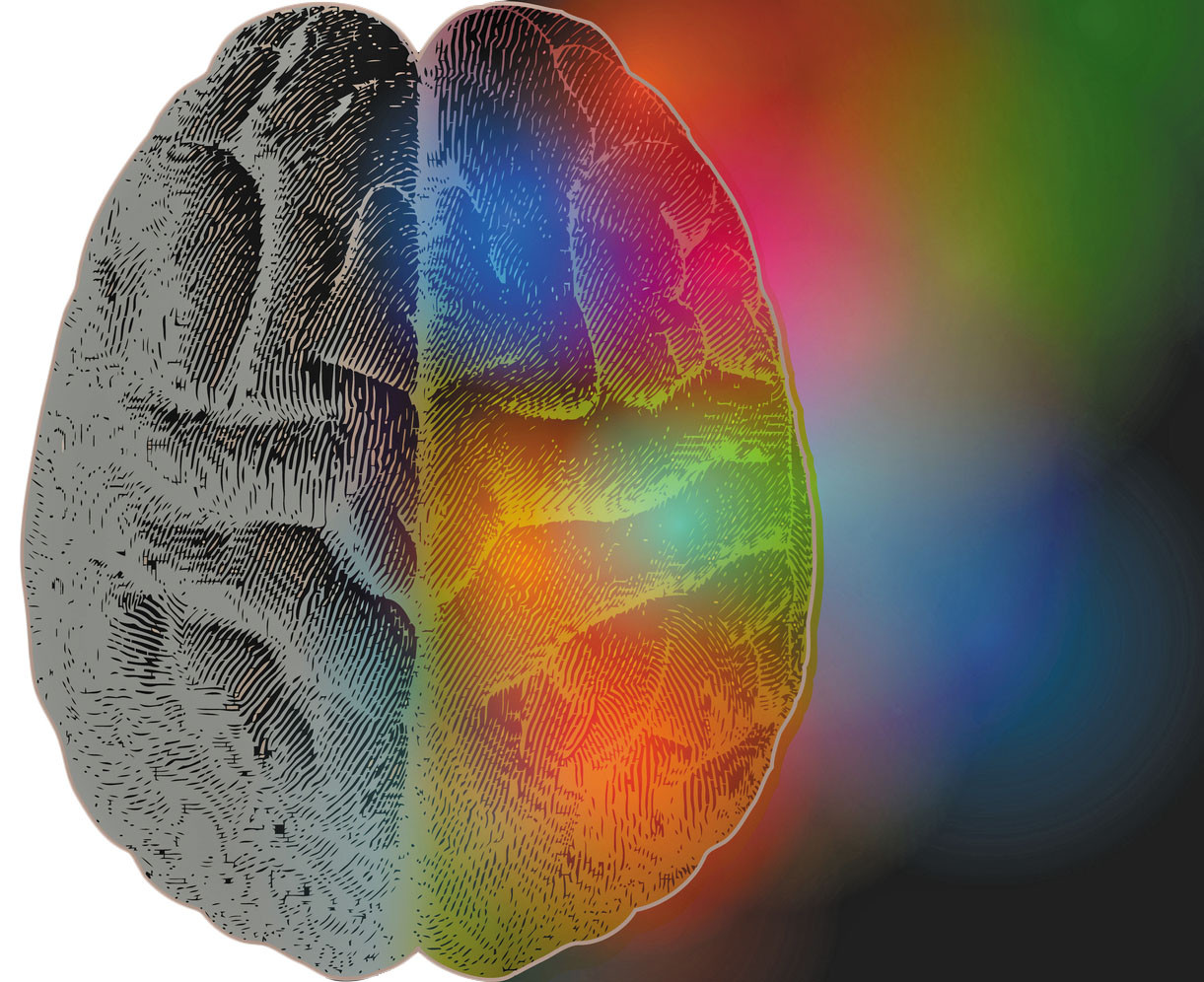
A new study supports the use of noninvasive brain stimulation in people with severe depression who haven't responded to medication.
If medication isn't helping to ease severe depression, nonsurgical brain stimulation may be an effective alternative to consider, according to a study published online March 27 by The BMJ. Specifically, the study found that evidence seems to back the use of repetitive transcranial magnetic stimulation (rTMS) and electroconvulsive therapy (ECT) over other, newer brain stimulation therapies.
"Many psychiatrists are unaware of these techniques, or at least don't think to recommend them for their patients," says Dr. Daniel Press, associate professor of neurology at Harvard Medical School and the clinical director for the Berenson-Allen Center for Noninvasive Brain Stimulation at Beth Israel Deaconess Medical Center. "So, studies like this are helpful in raising the banner and reminding people that these are very effective options for a large percentage of people."
Whole grains may improve several heart risk factors at once
Light exposure at night may raise risk for heart disease
Children of centenarians may stay healthier and live longer too, study finds
A lumbar belt may help ease low back pain
Signs of pneumonia: Sometimes vague and unexpected
The surprising link between ovarian cancer and the fallopian tubes
Using a vibration plate: What it can — and can't — do for your body
People who walk more or walk faster live longer, study finds
Rosacea treatments: What works?
For sleep apnea, a dental device may be as effective as CPAP
Free Healthbeat Signup
Get the latest in health news delivered to your inbox!
Sign Up
