

Whole grains may improve several heart risk factors at once

Light exposure at night may raise risk for heart disease

Children of centenarians may stay healthier and live longer too, study finds

A lumbar belt may help ease low back pain

Signs of pneumonia: Sometimes vague and unexpected

The surprising link between ovarian cancer and the fallopian tubes

Using a vibration plate: What it can — and can't — do for your body

People who walk more or walk faster live longer, study finds

Rosacea treatments: What works?

For sleep apnea, a dental device may be as effective as CPAP
Mental Health Archive
Articles
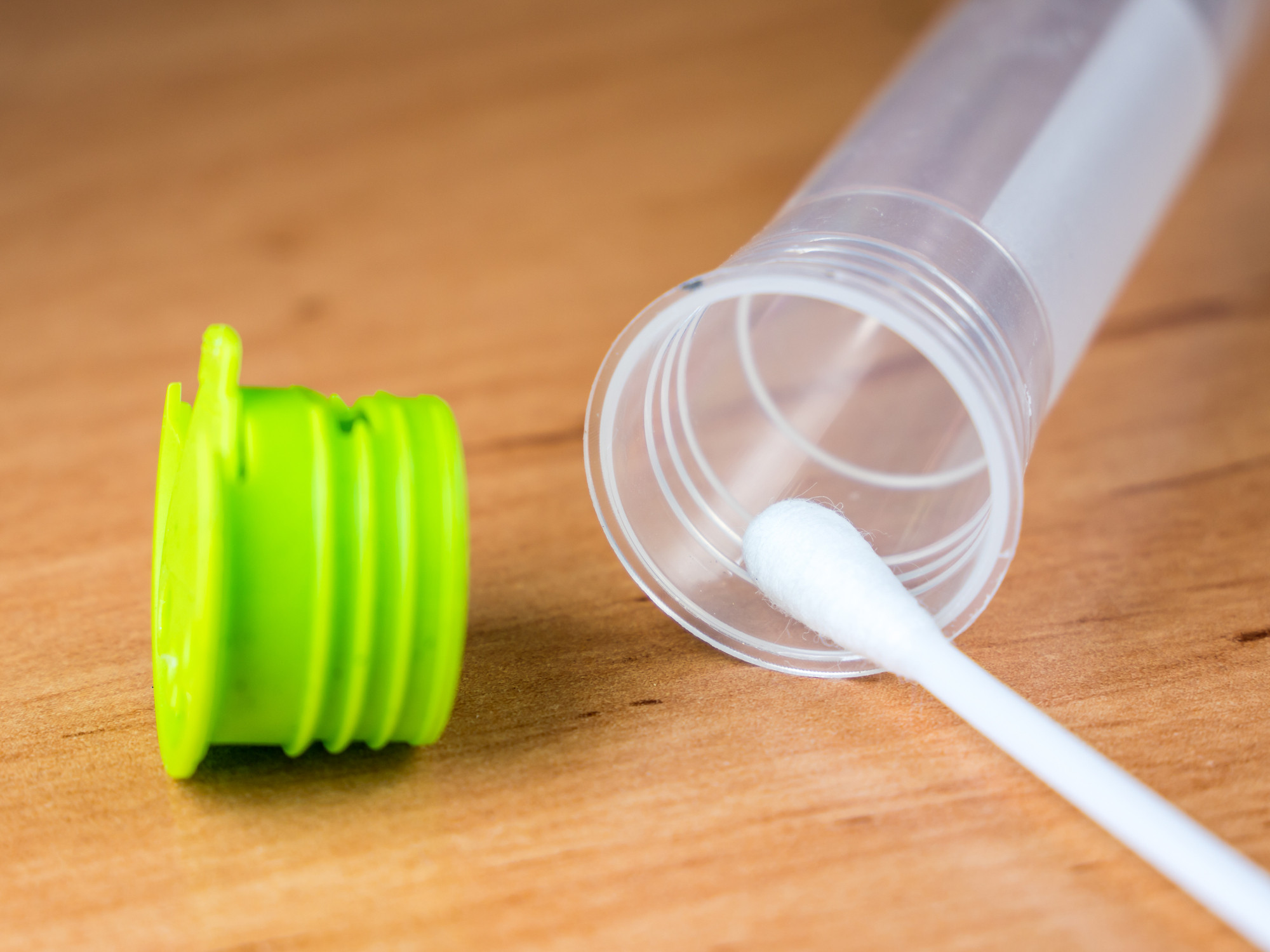
What donor offspring seek when they do DNA testing
Readily available DNA testing unexpectedly changed some family trees. But people who grew up knowing –– or recently learned –– they were donor-conceived may have differing reasons for wanting to better understand their personal stories.

Psychotherapy leads in treating post-traumatic stress disorder
Expert recommendations for treating post-traumatic stress disorder (PTSD) differ. New research supports trying certain types of psychotherapy first, followed by medication if needed, or starting off with a combination of both.

A purpose-driven life may last longer
Study shows an association between a strong sense of purpose in life and a lower risk of death from cardiovascular problems and blood conditions.
If you believe your life has meaning, it could potentially be longer, says a new study published online May 24 by JAMA Network Open.
Study authors found that among a group of nearly 7,000 adults over age 50, those who scored highest on a scale that measured "life purpose" were less likely to die during the study period, and also less likely to die during the same period from heart, circulatory, or blood conditions, compared with those who scored lower.

Heart disease may accelerate cognitive decline
Research we're watching
If you have coronary artery disease, you may be at higher risk for cognitive problems, according to a study published in the June issue of the Journal of the American College of Cardiology. People with coronary artery disease have blockages in the arteries that lead to the heart. When blood flow to the heart is slowed or blocked, the result can be a heart attack or the chest pain known as angina.
Study authors looked to see whether this condition had any effect on thinking skills. They selected people with no history of heart disease and followed them for 12 years, administering three cognitive tests throughout the course of the study. Ultimately, 5.6% of people in the study experienced a heart attack or angina. Researchers found that these people were not more likely to have experienced cognitive decline before their heart episode or immediately after, but were at much higher risk for cognitive decline in the years that followed. It's not clear why this occurred, but the study authors say that doctors should be aware of this risk and should monitor people with coronary artery disease carefully.



Talking to your doctor about your LGBTQ+ sex life
Talking about sexuality with a doctor can be uncomfortable. If you identify as LGBTQ+, it's important to find a doctor who is attuned to the specific needs of the LGBTQ+ community. This can make getting proper care easier.

Teens and confidentiality
Offering teens privacy and confidentiality when meeting with a health care provider may allow them to discuss uncomfortable topics –– such as risky behavior, physical concerns, feeling anxious or depressed –– a step toward getting needed information and help.

Do employee wellness programs actually work?
Do employee health programs lead to healthier, more productive employees? A large study shows little or no impact, although results might vary based on workplace, offerings, and other factors.

Alcohol and fatigue
Sedative effects of drinking can also initiate other physical responses in the body
Image: KatarzynaBialasiewicz/Thinkstock
Many people think that a little nightcap will help them sleep soundly through the night. Although alcohol's sedative effects can make you drowsy, they also have other effects that can interfere with quality sleep.
Several hours after that nightcap, the alcohol raises the body's level of epinephrine, a stress hormone that increases the heart rate and generally stimulates the body, which can result in nighttime awakenings. Indeed, alcohol may account for 10% of cases of persistent insomnia. Alcohol also relaxes throat muscles, and this relaxation can worsen sleep-related breathing problems and contribute to sleep apnea. What's more, alcohol may increase the need to urinate during the night — just another way in which it can disrupt sleep.
Whole grains may improve several heart risk factors at once
Light exposure at night may raise risk for heart disease
Children of centenarians may stay healthier and live longer too, study finds
A lumbar belt may help ease low back pain
Signs of pneumonia: Sometimes vague and unexpected
The surprising link between ovarian cancer and the fallopian tubes
Using a vibration plate: What it can — and can't — do for your body
People who walk more or walk faster live longer, study finds
Rosacea treatments: What works?
For sleep apnea, a dental device may be as effective as CPAP
Free Healthbeat Signup
Get the latest in health news delivered to your inbox!
Sign Up
