

Whole grains may improve several heart risk factors at once

Light exposure at night may raise risk for heart disease

Children of centenarians may stay healthier and live longer too, study finds

A lumbar belt may help ease low back pain

Signs of pneumonia: Sometimes vague and unexpected

The surprising link between ovarian cancer and the fallopian tubes

Using a vibration plate: What it can — and can't — do for your body

People who walk more or walk faster live longer, study finds

Rosacea treatments: What works?

For sleep apnea, a dental device may be as effective as CPAP
Mental Health Archive
Articles
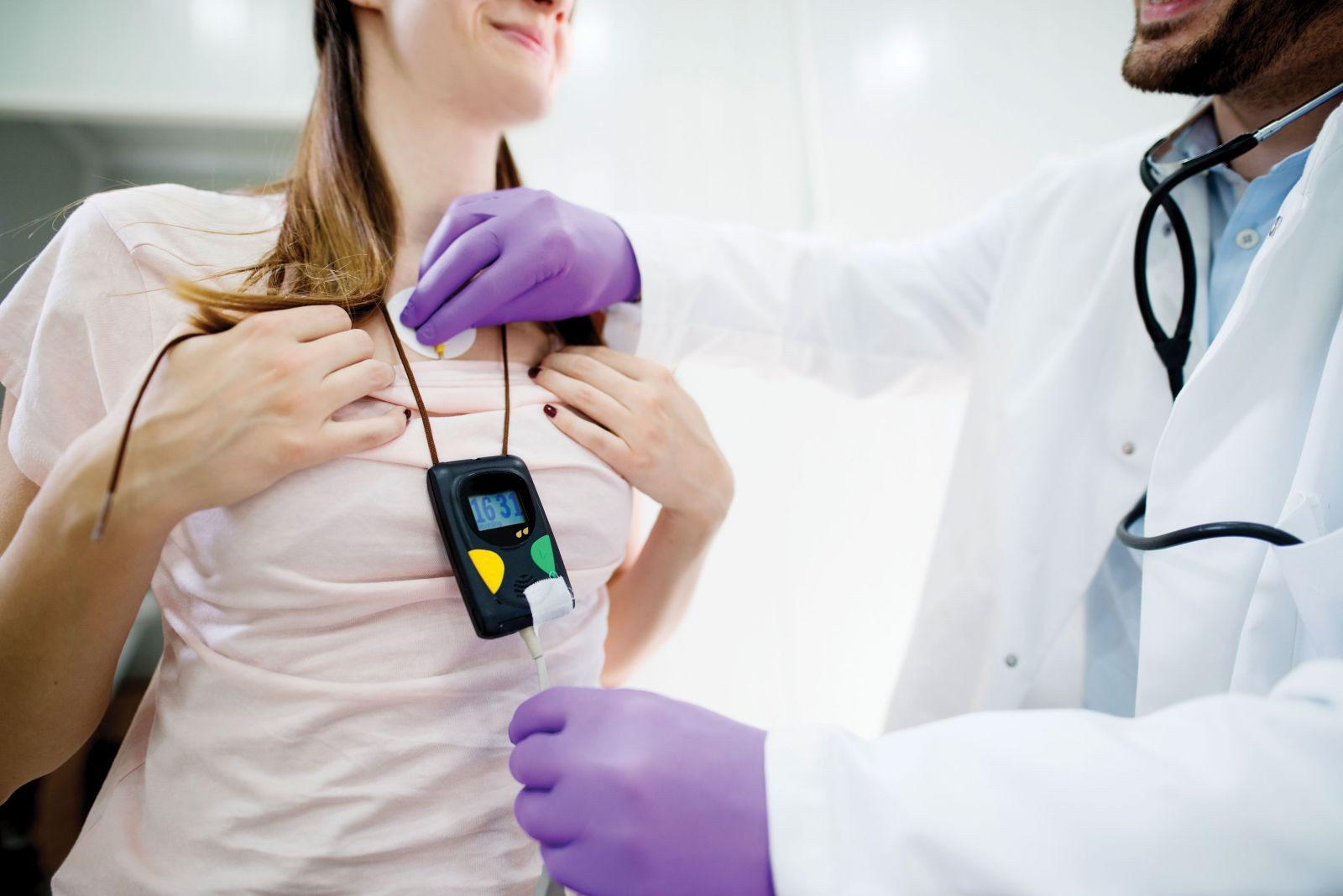
Heart palpitations: Mostly harmless
Occasionally these heart rhythm disruptions signal a more serious condition.
Image: © dusanpetkovic/Getty Images
Lately you've felt like a flipping fish is stuck inside your chest. You feel fine otherwise, but there it is again — flip, flop. It's gone as fast as it appears. But you're starting to worry: is it a sign of a serious heart problem?
Chances are what you're feeling is a condition called heart palpitations, which are usually harmless blips in the heart rhythm, explains Dr. Peter Zimetbaum, a professor of cardiovascular medicine at Harvard Medical School. Only occasionally are these rhythm disturbances the sign of a more serious heart problem that should be checked out.




Grieving? Don’t overlook potential side effects
The emotional weight of grief affects the body in the form of stress, which can make existing conditions worse or cause new ones, and can also lead to depression. Maintaining health may seem difficult while grieving, but doing so can help rebuild mental strength.

Omega-3s for anxiety?
News briefs
Image: © emiliozv/Getty Images
Omega-3 fatty acid supplements may help ease anxiety symptoms in people diagnosed with a range of physical and mental health problems, according to a review published in the Sept. 14, 2018, JAMA Network Open. The report pooled findings from 19 different studies and included 1,200 people. Most of the studies compared omega-3 supplements to a placebo. Taken together, the studies included people with a range of health problems, including heart attacks, attention deficit disorder, substance abuse, depression, and Parkinson's disease, as well as some groups without any specific clinical diagnosis. Researchers found that people who took high doses of omega-3s (up to 2,000 mg a day) seemed to have the most reduction in anxiety symptoms. Omega-3 fatty acids, which are usually derived from fish oil, have a number of biological effects in the body. Brain membranes contain a high proportion of these fats, and human studies suggest that a lack of omega-3s in the brain may induce various behavioral and psychiatric disorders. For now, it's too soon to recommend high-dose omega-3 supplements for treating anxiety. Larger trials testing the supplements (both alone and combined with standard treatments) are needed, the study authors say.
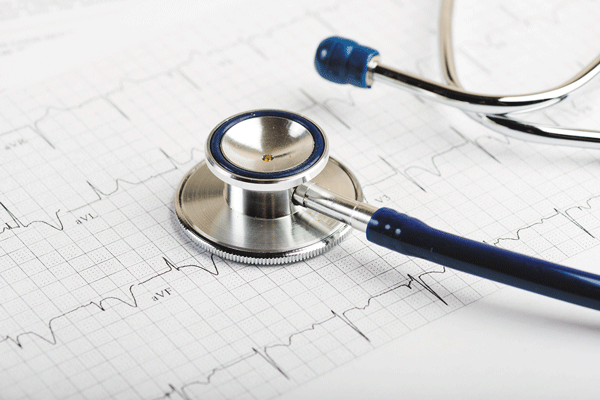
Atrial fibrillation may increase your risk of dementia
Image: Valeriya/Thinkstock
In the journals
People with atrial fibrillation, or afib, a type of irregular heartbeat that is linked with stroke, also may have a greater risk of dementia than those without the condition, according to a study published online Oct. 10, 2018, by Neurology.
Researchers recorded medical data from 2,685 people, average age 73. None of them had dementia and 243 had afib. After nine years, another 279 people developed afib. The researchers found that people with afib showed a faster rate of decline in thinking and memory skills than those without the condition, and were 40% more likely to develop dementia.
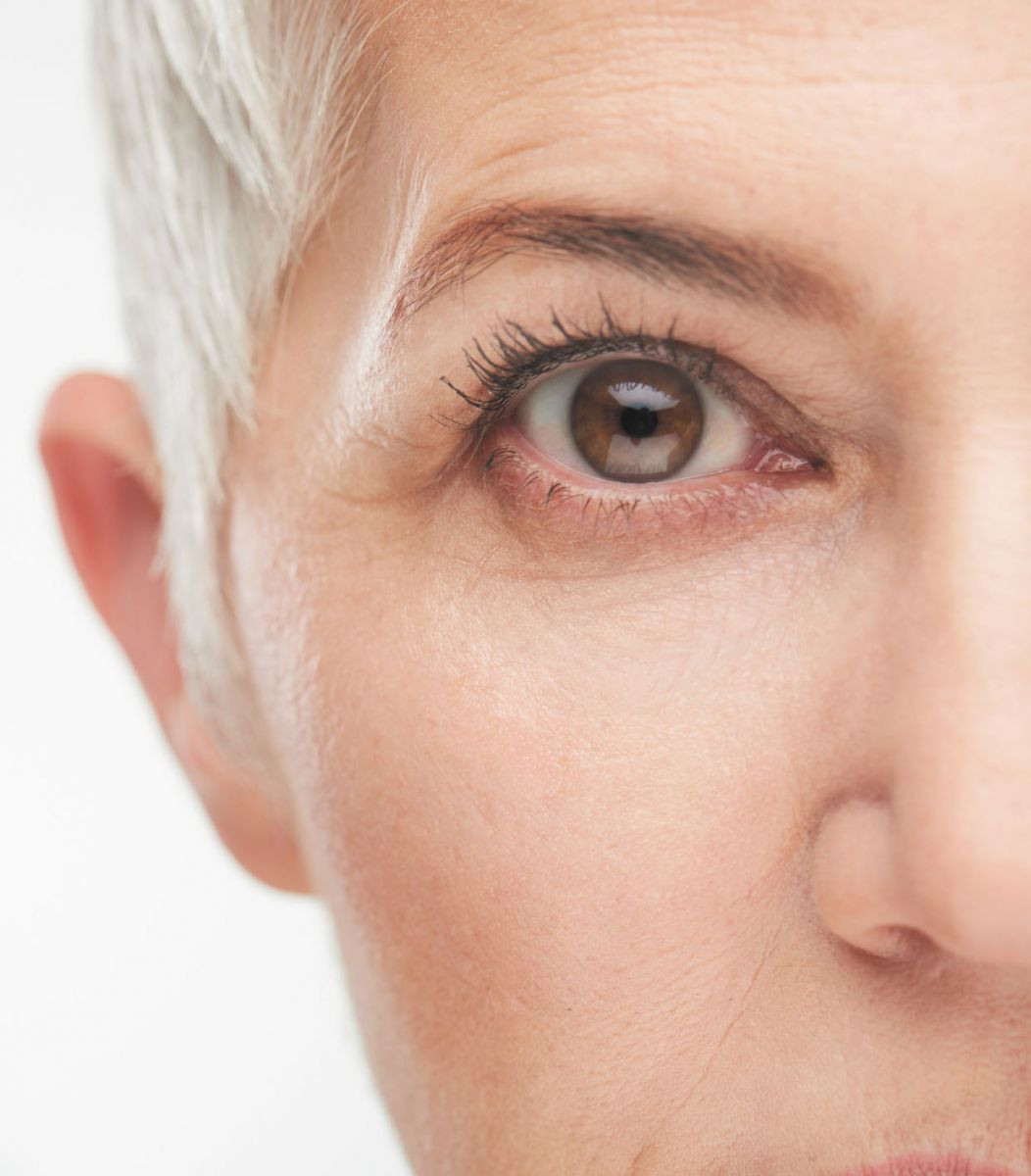
Can your eyes see Alzheimer’s disease in your future?
Certain eye conditions offer clues to your chances of developing dementia.
It's long been said that the eyes are the windows to the soul, but can they also provide a view of your brain's future? Researchers increasingly say yes. Studies have identified links between common eye conditions and Alzheimer's disease and other forms of dementia.
One study, published in the July 2018 issue of Alzheimer's & Dementia, appeared to validate past findings that linked three eye diseases — glaucoma, age-related macular degeneration, and diabetic retinopathy — to an increased risk of Alzheimer's disease.

Whole grains may improve several heart risk factors at once
Light exposure at night may raise risk for heart disease
Children of centenarians may stay healthier and live longer too, study finds
A lumbar belt may help ease low back pain
Signs of pneumonia: Sometimes vague and unexpected
The surprising link between ovarian cancer and the fallopian tubes
Using a vibration plate: What it can — and can't — do for your body
People who walk more or walk faster live longer, study finds
Rosacea treatments: What works?
For sleep apnea, a dental device may be as effective as CPAP
Free Healthbeat Signup
Get the latest in health news delivered to your inbox!
Sign Up
