

People who walk more or walk faster live longer, study finds

For sleep apnea, a dental device may be as effective as CPAP

Rosacea treatments: What works?

Carb cycling: What is it, and does it work?

Understanding orthorexia: Have your healthy eating goals gone too far?

Salmonella, E. coli, Cyclospora, and other germs that cause food poisoning: What you need to know

Melatonin or magnesium: Can either supplement help you sleep?

Naturally gluten-free foods

Shingrix shingles vaccine linked with lower heart disease risks

Harvard study: Healthier fats linked to longer life after prostate cancer diagnosis
Medications and treatments Archive
Articles

5 trends in cardiology to watch
Harvard Medical School professor Dr. Eugene Braunwald, known as "the father of modern cardiology," identified five promising future trends in cardiology. They include (1) using polygenic risk scores in newborns for early prevention of heart disease; (2) the emergence of a battery of drugs to treat inflammation; (3) improvements in cardiac cell therapy for repairing damaged hearts; (4) the development of smaller, more powerful, and less expensive left ventricular assist devices; and (5) transplanting genetically modified pig hearts into humans.

Marijuana use disorder may raise the risk of heart problems
Up to three in 10 people who use marijuana may be unable to stop using the drug, even when it has negative effects on their lives. A 2023 study links this problem- known as cannabis use disorder-to a higher risk of heart problems.

Fixing a faulty aortic valve
A nonsurgical approach for replacing a damaged aortic valve, known as transcatheter aortic valve replacement (TAVR), has become very popular in recent years. But it may not make sense for people in their 60s, who are likely to need a second valve replacement later in life. The valves used in TAVR only last about 10 years, on average. In addition, diagnosing and treating coronary artery disease may be more challenging in people who've had TAVR. Also, the surgery to replace a failed TAVR valve is more complicated than regular valve replacement surgery. So people who are likely to need least one traditional valve surgery are better off having the surgery in their 60s rather than in their 70s. A TAVR can be done the second time around.

The lowdown on blood thinners
Blood thinners don't "thin" blood; rather, they discourage blood from clotting. Candidates for anti-clotting drugs are people at high risk for dangerous blood clots, such as those with atrial fibrillation or those who have received a stent. Others who can benefit from an anti-clotting drug are people who are immobile after surgery and individuals who have had deep-vein thrombosis (clots in the veins of the legs or arms) or pulmonary embolism (clots in the lungs). A higher risk of bleeding is the main side effect, but most people can tolerate the medication.

After prostate cancer treatment, a new standard of care for rising PSA
When prostate cancer recurs after initial treatment, doctors typically treat it with hormonal therapies. But results from a large clinical trial show that a different medication (or combination of two medications) is a better approach.
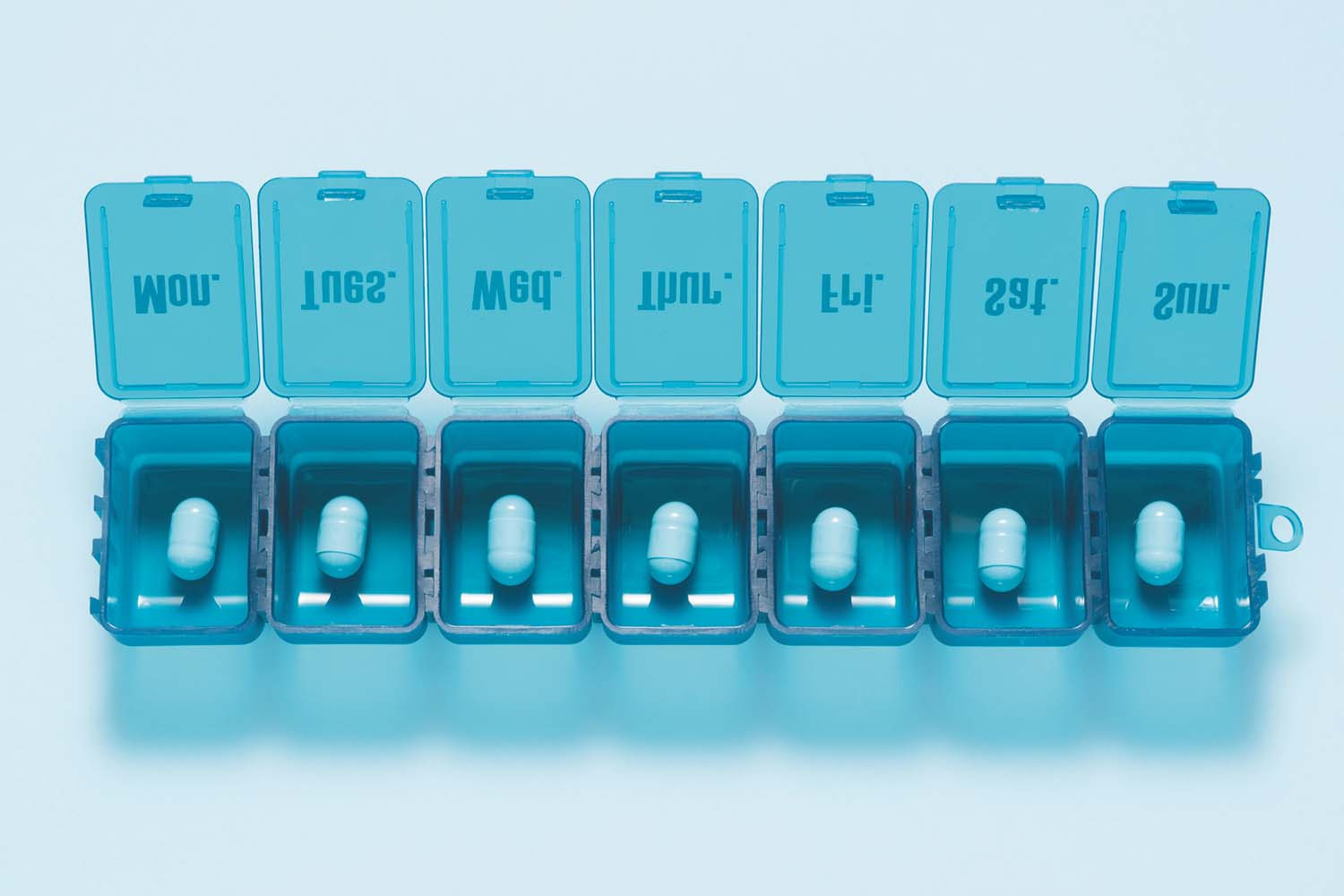
How can I reduce my number of daily medications?
Many people end up taking a long list of medications when they might be able to safely reduce the number of daily pills. Reviewing medications with their specialists and primary care doctor can help determine which drugs may be reduced or perhaps discontinued.

FDA approves first pill for postpartum depression
The FDA approved the first pill for postpartum depression in August 2023. The fast-acting drug, zuranolone (Zurzuvae), is taken for just two weeks.

Lynch syndrome: Reclaiming power
Lynch syndrome is an inherited condition that predisposes people to colorectal, uterine, ovarian, and other forms of cancer. Genetic testing can pinpoint Lynch syndrome, and genetic counseling is also recommended. People with Lynch syndrome need frequent cancer screenings and should watch for symptoms. Women with Lynch syndrome are also advised to undergo risk-reducing surgery that removes the ovaries, fallopian tubes, and uterus between ages 35 and 40, unless a woman is planning another pregnancy.

Beyond appetite suppression
Semaglutide (Ozempic, Wegovy), which mimics a natural hormone called GLP-1, has become a popular obesity drug because it promotes dramatic weight loss. New evidence suggests this drug and others like it may also curb compulsions for things other than food. The drugs may also dampen cravings for alcohol, smoking, gambling, and excessive shopping by hampering activation of the brain's reward pathways. If further research confirms preliminary findings, the demand for GLP-1 drugs is likely to increase.

CPAP machines and masks: Which ones are right for you?
Continuous positive airway pressure (CPAP) is a first-line treatment for people with obstructive sleep apnea. The CPAP keeps the airway open by pushing a forceful stream of air through a tube and into a mask worn during sleep. The air comes from a small bedside pump (an air compressor). Other forms of positive airway pressure (PAP) may be helpful for people with central sleep apnea. Doctors determine which type of PAP therapy and device someone needs. Patients select the type of PAP mask to use with the system.
People who walk more or walk faster live longer, study finds
For sleep apnea, a dental device may be as effective as CPAP
Rosacea treatments: What works?
Carb cycling: What is it, and does it work?
Understanding orthorexia: Have your healthy eating goals gone too far?
Salmonella, E. coli, Cyclospora, and other germs that cause food poisoning: What you need to know
Melatonin or magnesium: Can either supplement help you sleep?
Naturally gluten-free foods
Shingrix shingles vaccine linked with lower heart disease risks
Harvard study: Healthier fats linked to longer life after prostate cancer diagnosis
Free Healthbeat Signup
Get the latest in health news delivered to your inbox!
Sign Up
