

People who walk more or walk faster live longer, study finds

For sleep apnea, a dental device may be as effective as CPAP

Rosacea treatments: What works?

Carb cycling: What is it, and does it work?

Understanding orthorexia: Have your healthy eating goals gone too far?

Salmonella, E. coli, Cyclospora, and other germs that cause food poisoning: What you need to know

Melatonin or magnesium: Can either supplement help you sleep?

Naturally gluten-free foods

Shingrix shingles vaccine linked with lower heart disease risks

Harvard study: Healthier fats linked to longer life after prostate cancer diagnosis
Medications and treatments Archive
Articles

Decoding medication instructions
Some medication instructions are vague and confusing. Examples include "take once daily," "take with food," and "take with water." When someone is unsure exactly how to take a medication, even if it's already been explained, it's best to ask for clarification. Ideally this happens when a doctor writes the prescription, but it's okay to call and ask later. It may also be helpful to ask a pharmacist for the directions, either when picking up a medication or on a later call.

Nasal spray slows rapid heart rhythm
A nasal spray containing the experimental drug etripamil can quickly treat an abnormally fast heart rhythm called supraventricular tachycardia. The disordered rhythm occurs sporadically and can raise heart rate to as much as 200 beats per minute.

Hidden causes of weight gain
The reason for weight gain isn't always as obvious as inactivity or a poor diet. Weight gain can stem from many other causes. For example, it might reflect age-related physiological changes such as muscle loss, poor sleep, or changes in sex hormone levels; underlying conditions such as diabetes or sleep apnea; side effects from taking certain medications, such as antidepressants or beta blockers; or possibly the effects of eating late at night or the makeup of gut bacteria. Recent or excessive weight gain warrants a visit to a doctor to help pinpoint the issue.

Low-dose aspirin linked to anemia
Older people who take low-dose aspirin every day may be more likely to develop anemia. Aspirin discourages blood clots, but the drug also blocks substances that help maintain and protect the delicate tissue lining the gastrointestinal tract. Long-term aspirin use can damage this protective layer, making bleeding more likely. Minor bleeding can go unrecognized and contribute to anemia, a condition marked by a reduced number of healthy red blood cells. People currently taking aspirin should check with their doctor to see if the practice still makes sense for them.

Is sex hormone therapy safe for your heart?
The age-related drop in sex hormone levels can cause undesirable symptoms such as hot flashes or a flagging sex drive. Various formulations of estrogen or testosterone can ease those symptoms, but hormone therapy has a mixed record when it comes to cardiovascular safety. A 2023 study suggests that testosterone therapy is safe for men at high risk for heart disease. But women at high risk for heart disease But women at high risk for heart disease considering estrogen-based therapy need to balance menopausal symptom severity versus the greater chance of an adverse cardiovascular problem.

Testosterone therapy may be safe for men at risk for heart attack and stroke
A 2023 study suggests taking testosterone replacement therapy does not raise the risk for heart attacks or stroke among men with cardiovascular disease or a high risk for it, but it could increase the risk of atrial fibrillation, acute kidney injury, and pulmonary embolism.

Overcoming heart health obstacles
Men often confront obstacles that keep them from managing heart disease or lowering their risk for it. Harvard cardiologists share the advice they give patients who face challenges in the areas of weight loss, medication management, exercise, and diet. These include thinking about their future health goals, monitoring blood pressure, scheduling workouts, joining group weight-loss groups, and learning portion control for meals.
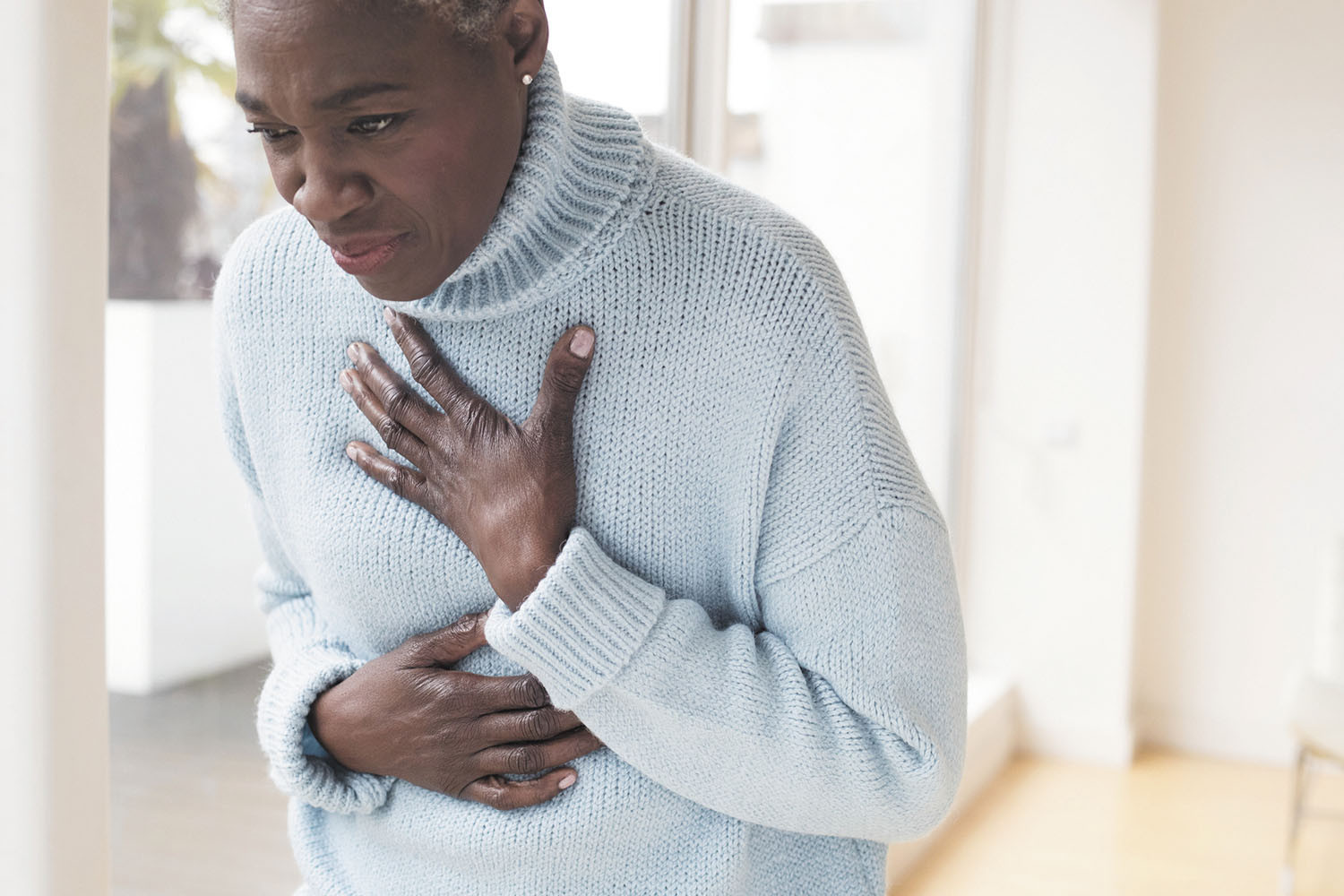
Hormone therapy linked to higher risks of GERD
A 2023 study suggests that women who have used menopausal hormone therapy are significantly more likely to develop gastroesophageal reflux disease (GERD).

7 organs or glands you may do just fine without
Removing tonsils in childhood was once routine care for healthy children, but is no longer recommended. Why are some organs and glands — appendix, tonsils, adenoids and more — considered expendable and why do we have them if they're not needed?

People who walk more or walk faster live longer, study finds
For sleep apnea, a dental device may be as effective as CPAP
Rosacea treatments: What works?
Carb cycling: What is it, and does it work?
Understanding orthorexia: Have your healthy eating goals gone too far?
Salmonella, E. coli, Cyclospora, and other germs that cause food poisoning: What you need to know
Melatonin or magnesium: Can either supplement help you sleep?
Naturally gluten-free foods
Shingrix shingles vaccine linked with lower heart disease risks
Harvard study: Healthier fats linked to longer life after prostate cancer diagnosis
Free Healthbeat Signup
Get the latest in health news delivered to your inbox!
Sign Up
