

People who walk more or walk faster live longer, study finds

For sleep apnea, a dental device may be as effective as CPAP

Rosacea treatments: What works?

Carb cycling: What is it, and does it work?

Understanding orthorexia: Have your healthy eating goals gone too far?

Salmonella, E. coli, Cyclospora, and other germs that cause food poisoning: What you need to know

Melatonin or magnesium: Can either supplement help you sleep?

Naturally gluten-free foods

Shingrix shingles vaccine linked with lower heart disease risks

Harvard study: Healthier fats linked to longer life after prostate cancer diagnosis
Medications and treatments Archive
Articles

Stopping a medication? Check first, quit safer
Abruptly stopping a medication can be risky and even life-threatening. For example, suddenly discontinuing certain drugs can cause a rebound effect, meaning that symptoms or problems that were controlled—such as high blood pressure or heartburn—can return with a vengeance. Stopping some medications, such as prescription painkillers or antidepressants, might result in withdrawal symptoms. Before quitting any drug cold turkey, it's important to consult with a doctor to make sure that it's safe.

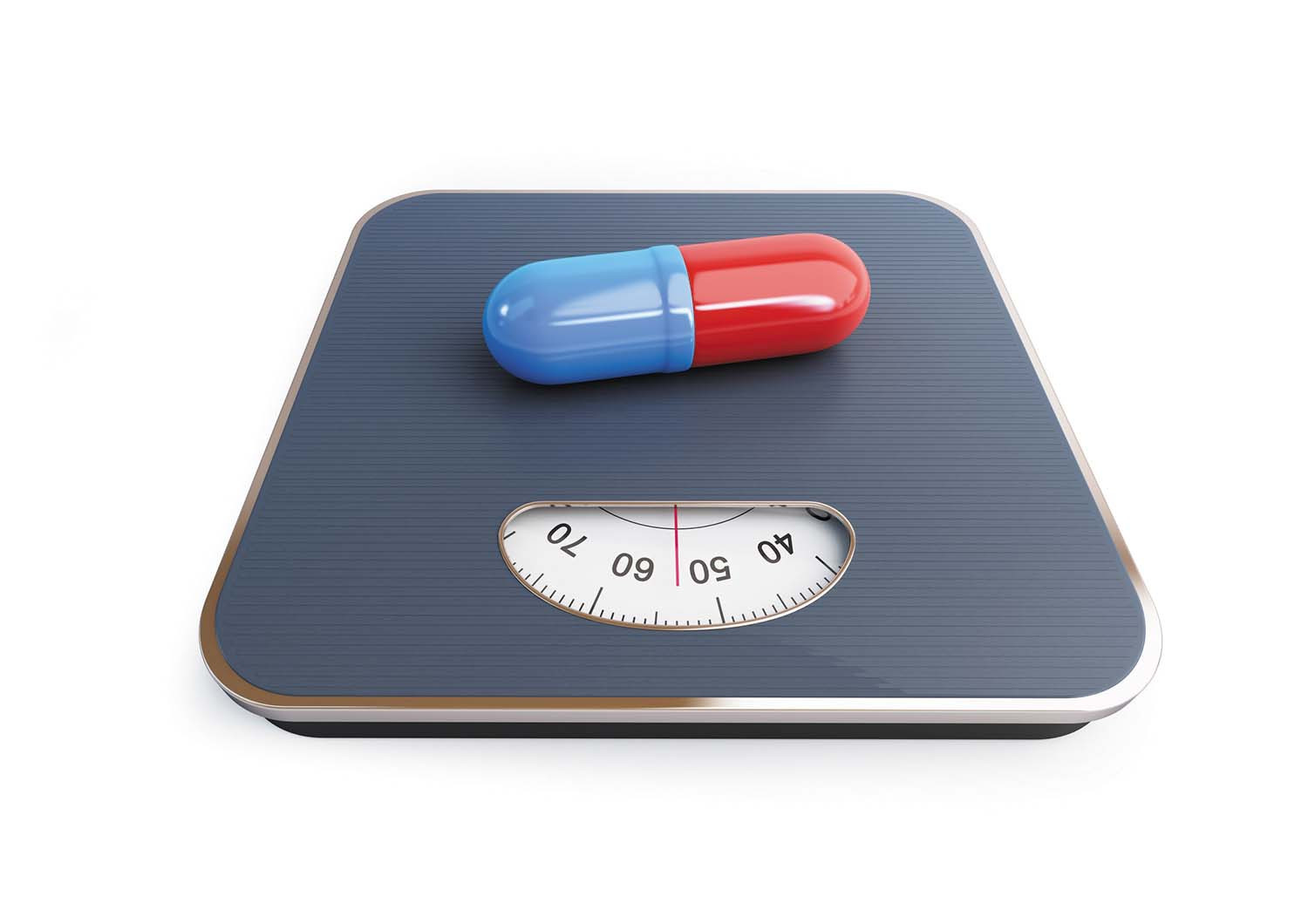
Understanding new weight-loss drugs
A newer class of medications used to treat type 2 diabetes called glucagon-like peptide-1 (GLP-1) receptor agonists has gained attention because of their impressive weight-loss results—in many cases, 10% to 20% of a person's body weight. Versions of two of these GLP-1 receptor agonists, liraglutide (Saxenda) and semaglutide (Wegovy), are FDA-approved for weight loss, even for people without diabetes. However, there isn't enough evidence to know whether these drugs might be beneficial or dangerous for people who are not diagnosed with diabetes or obesity.

Cannabis use disorder may raise surgical risks
A 2023 study suggests that regular cannabis users have higher risks before, during, and after surgery, including the risk of heart attack, stroke, acute kidney injury, breathing difficulties, and blood clots.

New help for hot flashes
Vasomotor symptoms, consisting of hot flashes and night sweats, affect 80% of women during the menopause transition and beyond. In May 2023, the FDA approved fezolinetant (Veozah) as the first nonhormonal medication designed specifically for vasomotor symptoms. Other medications deemed effective for hot flashes are prescribed off-label. They include selective serotonin reuptake inhibitors, oxybutynin, and gabapentin. But these drugs may lead to troublesome side effects. Women interested in hot flash relief should ask their clinicians for options that take into account their other symptoms.

Injuries and blood thinners: How to stop bleeding
Taking a blood thinner helps protect people at risk for dangerous blood clots that can lead to life-threatening conditions, such as a stroke or heart attack. But the medications increase the risk for uncontrolled bleeding. People taking the drugs should learn what to do in case bleeding occurs. For minor injuries, it's important to apply extra pressure until bleeding stops. For serious injuries, one should call 911 and apply as much pressure as possible to the wound until help arrives. People who take blood thinners and experience even minor injury from a fall or accident should automatically go to urgent care or the emergency department to get checked out, even if there is no apparent bleeding or trauma is observed.

Insider tips for a smooth recovery from cataract surgery
Early planning can help people recover well from cataract surgery. That planning can include reviewing post-procedure instructions in advance; investigating whether a simplified eye drops regimen is available and will be covered by insurance; learning the right way to use eye drops, and teaching a loved one to help with their application if necessary; and preparing to take a break from certain physical activities, such as bending over, lifting objects that are 10 pounds or heavier, cleaning, vacuuming, or doing laundry.

FDA approves new surgical treatment for enlarged prostates
A transurethral resection of the prostate is considered the gold-standard treatment for benign prostatic hyperplasia. But newer, less invasive procedures offer faster recovery times and fewer risks of complications. Earlier this year another new procedure won the FDA's approval.

Does human growth hormone slow the aging process?
Contrary to its reputation as an anti-aging supplement, human growth hormone is not effective at turning back the clock, and it may carry health risks. Commitment to a healthy diet and regular exercise is still the best formula for healthy aging.

The latest in medical alert systems
Some medical alert systems now have advanced technology that integrates monitoring services with a smartphone, smart watch, or smart speaker. The services aren't cheap. They range from $20 to $50 per month, depending on the company and any additional services (such as fall detection). There may also be fees for activation and equipment (up to a few hundred dollars). The alternative is getting an alert system that isn't monitored, such as free "panic button" apps for smartphones or a smart watch that can notify relatives in an emergency.
People who walk more or walk faster live longer, study finds
For sleep apnea, a dental device may be as effective as CPAP
Rosacea treatments: What works?
Carb cycling: What is it, and does it work?
Understanding orthorexia: Have your healthy eating goals gone too far?
Salmonella, E. coli, Cyclospora, and other germs that cause food poisoning: What you need to know
Melatonin or magnesium: Can either supplement help you sleep?
Naturally gluten-free foods
Shingrix shingles vaccine linked with lower heart disease risks
Harvard study: Healthier fats linked to longer life after prostate cancer diagnosis
Free Healthbeat Signup
Get the latest in health news delivered to your inbox!
Sign Up
