

People who walk more or walk faster live longer, study finds

For sleep apnea, a dental device may be as effective as CPAP

Rosacea treatments: What works?

Carb cycling: What is it, and does it work?

Understanding orthorexia: Have your healthy eating goals gone too far?

Salmonella, E. coli, Cyclospora, and other germs that cause food poisoning: What you need to know

Melatonin or magnesium: Can either supplement help you sleep?

Naturally gluten-free foods

Shingrix shingles vaccine linked with lower heart disease risks

Harvard study: Healthier fats linked to longer life after prostate cancer diagnosis
Medications and treatments Archive
Articles
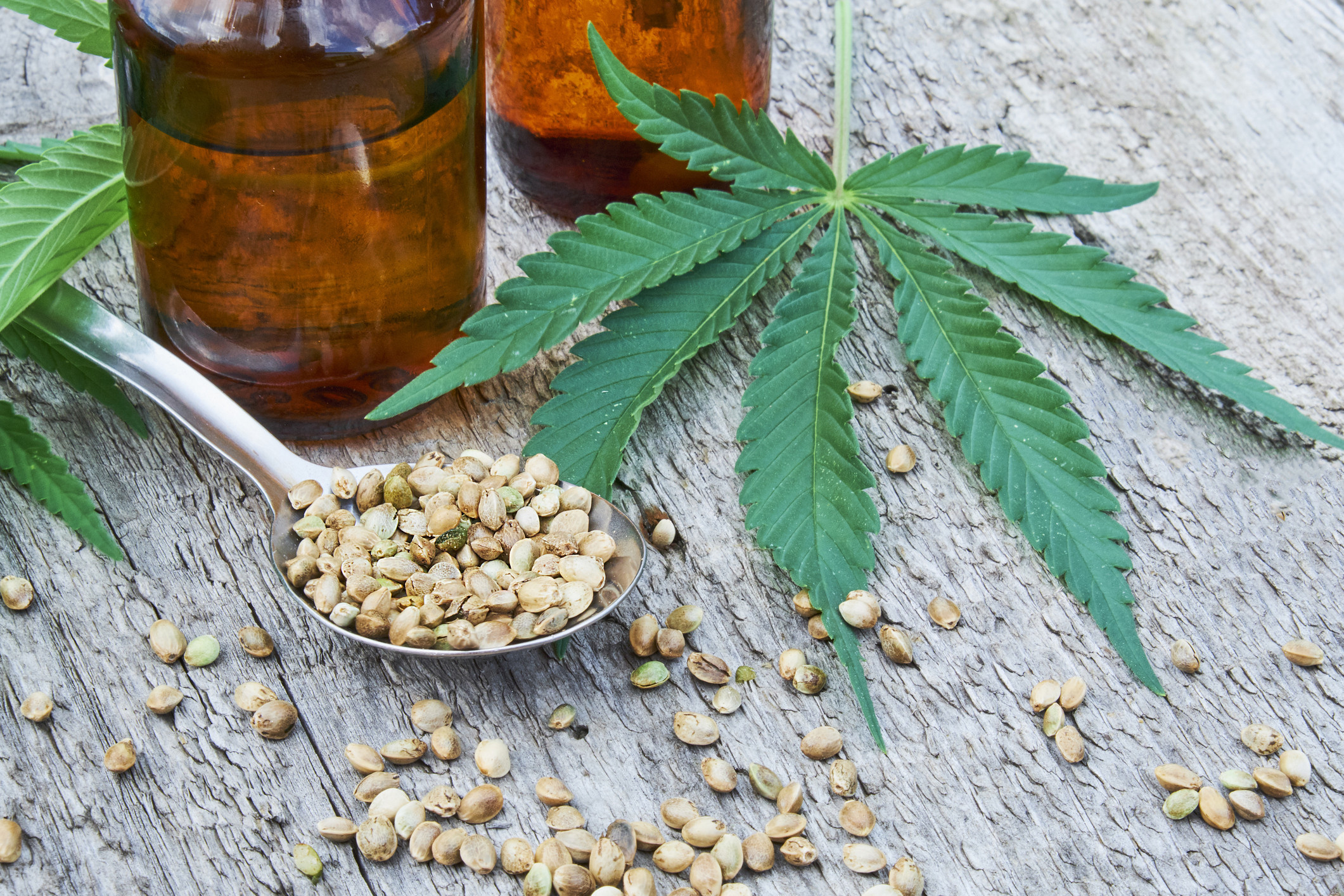
Cannabidiol (CBD): What we know and what we don't
Cannabidiol (CBD) is an active ingredient in cannabis that is derived from the hemp plant, but it does not cause a high and is not addictive. CBD has been shown to be effective in treating conditions like pain, insomnia, and anxiety.
Lightheaded? Top 5 reasons you might feel woozy
Lightheadedness is a feeling of wooziness or faintness. It is commonly caused by dehydration, drug side effects, blood pressure drops, low blood sugar, heart disease, or stroke.

Appropriate use of testosterone therapy does not appear to raise prostate cancer risk
A 2023 study confirms prior research showing that men with low testosterone levels who use testosterone replacement therapy for 14 months are not at a higher risk for prostate cancer over the following several years.

Get ready for allergy season
Allergy season runs from around March through October. Tree pollen dominates in spring, grass in summer, and ragweed in late summer and early fall. In people with an allergy, pollen exposure can trigger the hallmark allergy symptoms: sneezing, watery eyes, stuffiness, scratchy throat, wheezing, and coughing. There are many ways to manage allergy symptoms, such as using over-the-counter medication, taking allergy shots or oral immunotherapy to help the immune system better tolerate allergens, and reducing one's exposure to pollen.

Can AI answer medical questions better than your doctor?
When a study asked doctors and artificial intelligence to respond to selected patient questions, a chatbot received higher ratings for empathy and quality. But a closer look at the research spotlights important limitations and findings.


What complications can occur after prostate cancer surgery?
Minimally invasive surgery to remove the prostate gland is generally very well tolerated, but there can be complications, as in the case of Defense Secretary Lloyd Austin earlier this year. A Harvard-affiliated urologist answers questions about the possibility of such complications.

Medication disposal: How - and why - to do it safely
It's dangerous to keep unneeded or expired medications around the house. But it's bad for the environment to simply flush or throw away the drugs. It's best to dispose of them by bringing them to a drug take-back site (such as a drugstore or law enforcement office) or a medical waste collection site (such as the local landfill). As a last resort, it's okay to toss medications into the trash with careful preparation. The FDA recommends mixing medicines with unappealing substances, such as cat litter or used coffee grounds; placing the mixture in a sealable plastic bag or container; and throwing the bag or container in the trash.

Does my daily aspirin therapy dose or pill coating matter?
People with heart disease may benefit from daily aspirin therapy to help reduce the risks for blood clots that cause heart attacks. A 2023 study suggests that neither the aspirin dose (81 mg vs. 325 mg) nor whether it is enteric-coated or uncoated affects the benefits or risks of daily aspirin therapy. However, aspirin carries the risk of brain and stomach bleeding. Some doctors maintain that people with heart disease are better off taking one low-dose, enteric-coated aspirin pill a day.

Device of the month: Body-weight scale
Compared with analog scales, digital scales are more accurate and easier to read. Many smart scales include added features such as smartphone connectivity and body composition estimates.
People who walk more or walk faster live longer, study finds
For sleep apnea, a dental device may be as effective as CPAP
Rosacea treatments: What works?
Carb cycling: What is it, and does it work?
Understanding orthorexia: Have your healthy eating goals gone too far?
Salmonella, E. coli, Cyclospora, and other germs that cause food poisoning: What you need to know
Melatonin or magnesium: Can either supplement help you sleep?
Naturally gluten-free foods
Shingrix shingles vaccine linked with lower heart disease risks
Harvard study: Healthier fats linked to longer life after prostate cancer diagnosis
Free Healthbeat Signup
Get the latest in health news delivered to your inbox!
Sign Up
