

People who walk more or walk faster live longer, study finds

For sleep apnea, a dental device may be as effective as CPAP

Rosacea treatments: What works?

Carb cycling: What is it, and does it work?

Understanding orthorexia: Have your healthy eating goals gone too far?

Salmonella, E. coli, Cyclospora, and other germs that cause food poisoning: What you need to know

Melatonin or magnesium: Can either supplement help you sleep?

Naturally gluten-free foods

Shingrix shingles vaccine linked with lower heart disease risks

Harvard study: Healthier fats linked to longer life after prostate cancer diagnosis
Medications and treatments Archive
Articles

8 pill-free ways to lower your blood pressure
A healthy diet that includes plenty of fresh fruit and vegetables can help to lower and control high blood pressure. Images: Thinkstock |
Try losing weight, changing your diet, and exercising.
Sometimes getting your blood pressure under control requires that you take several medications each day, such as a diuretic and a calcium-channel blocker. But some therapies don't involve medication. "People who have drug intolerances or are unwilling to take medications can try pill-free therapy, and it can also be used to make a medication regimen more effective," says Dr. Randall Zusman, a cardiologist and Harvard Medical School associate professor.

What to do if your medication is recalled
Drug recalls don't necessarily affect every batch of a pill or potion. You'll need to do a little homework before you stop taking your medication.
We take prescription and over-the-counter medications to get better or avoid getting sick. We know drug side effects can make us feel ill. But we don't imagine that medications can contain toxic impurities. Yet, it happens. Recently, for example, dozens of prescription blood pressure pills (angiotensin-receptor blockers, or ARBs) containing trace amounts of potentially cancer-causing compounds were recalled.
Recalls happen frequently. Sometimes, the FDA finds the manufacturing process to be defective. Other times, a dangerous side effect that was initially not apparent becomes clear later. "Some medication recalls are for problems that are not very serious, but the products have to be recalled nonetheless," says Joanne Doyle Petrongolo, a pharmacist with Harvard-affiliated Massachusetts General Hospital.

Using mind over matter to help treat chronic pain
News briefs
Many people use psychological techniques to help them cope with chronic pain. But which approach is best? A study published Jan. 31, 2019, in the journal Evidence-Based Mental Health offers insight. Researchers analyzed 21 randomized studies focusing on the effect of either cognitive behavioral therapy (CBT), to redirect pain-related thoughts and behaviors, or mindfulness-based stress reduction (MBSR), combining yoga and meditation to build awareness and acceptance of moment-to-moment experiences (including pain). The result: There was no clear winner. Both approaches reduced pain and depression and improved physical functioning compared with usual care or no care. The authors say the findings are important, since CBT is considered the go-to psychological technique for chronic pain. But MBSR should be considered as an additional tool, they suggest. Want to try it? Many hospitals, universities, and meditation centers offer MBSR programs. You can also search for MBSR videos and classes online.

Sex hormones and your heart
Here's the latest thinking about how estrogen or testosterone therapy may affect cardiovascular risk.
The two main sex hormones — estrogen and testosterone — have wide-ranging effects in the body. Produced primarily by the ovaries (estrogen) and testes (testosterone), these hormones affect not just your sexual function but also your bones, brain, and blood vessels, for example.
As people age, the natural decline in sex hormone levels sometimes causes undesirable symptoms, such as hot flashes or a flagging sex drive. Doctors can prescribe pills, patches, gels, and creams containing estrogen or testosterone to ease those symptoms. But are these products safe for your heart?
Lessons from the blood pressure drug recall
Here's what you need to know about the discovery of contaminants in a popular class of heart medications.
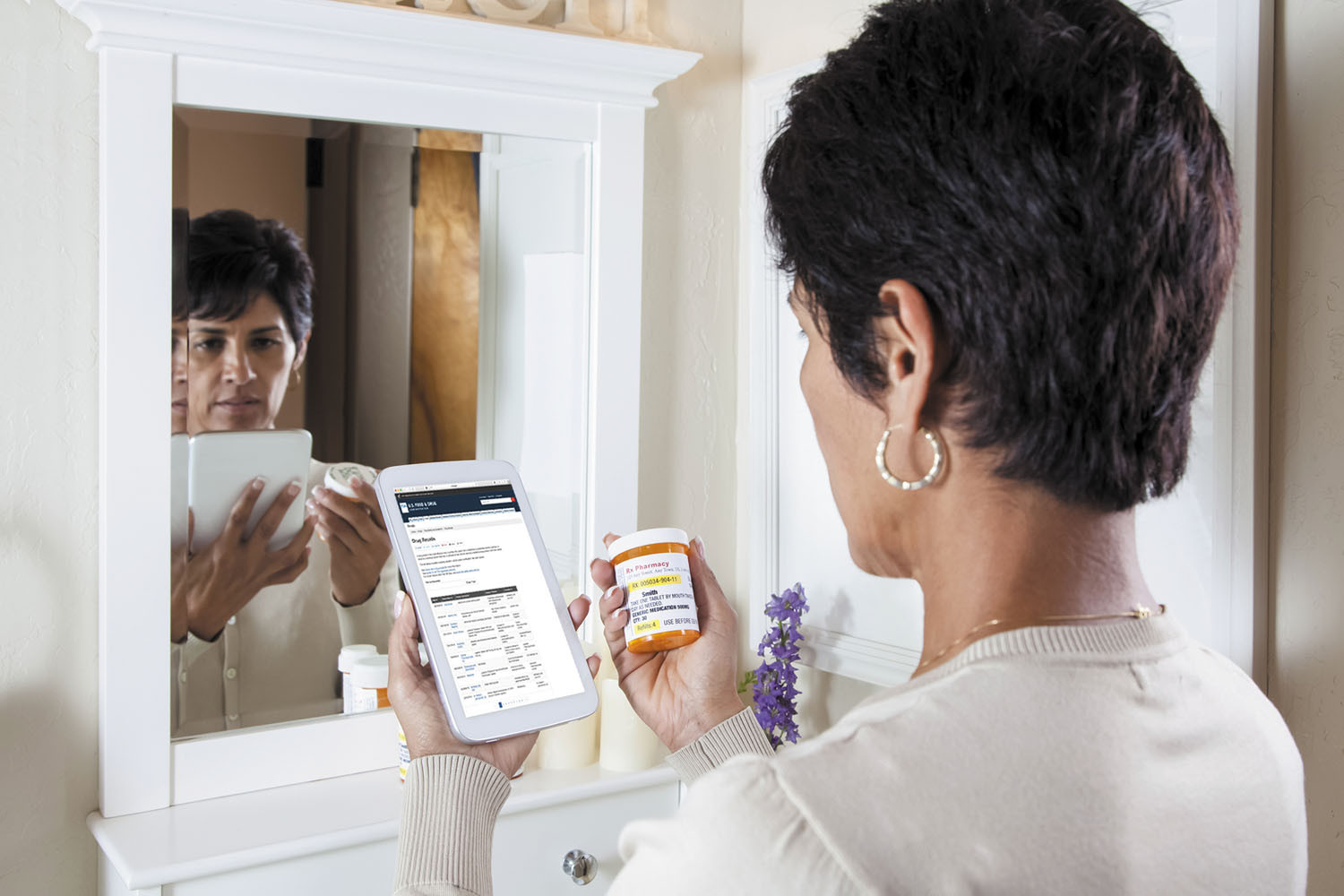
Last summer, a number of prescription medications containing the generic drug valsartan were recalled by manufacturers after investigators found trace amounts of possible cancer-causing impurities in some of the products. Over the following months, additional lots of valsartan, as well as batches of two similar drugs, losartan and irbesartan, were also pulled from pharmacy shelves.
All three of these drugs belong to a class of medications known as angiotensin-receptor blockers, or ARBs. These drugs block the effects of a hormone that narrows blood vessels and are used to treat high blood pressure and heart failure. The recalled products also include combination drugs that contain one of those three ARBs. (See "Medication recall information" for accessing the list of affected products.)

After hospitalization for heart disease: Avoid opioid drugs?
Research we're watching
People with heart disease who leave the hospital with a prescription for opioids may be more likely to miss follow-up care than those not prescribed opioids, a new study finds.
The study included nearly 2,500 people (mostly white men with an average age of 60) who were discharged from a university medical center after a heart attack or sudden heart failure. One in five were prescribed the powerful pain relievers known as opioids. Those people were less likely to follow up with their health care provider or to participate in cardiac rehabilitation than those not prescribed opioids.
Can blood pressure medications interfere with my sex drive?
On call
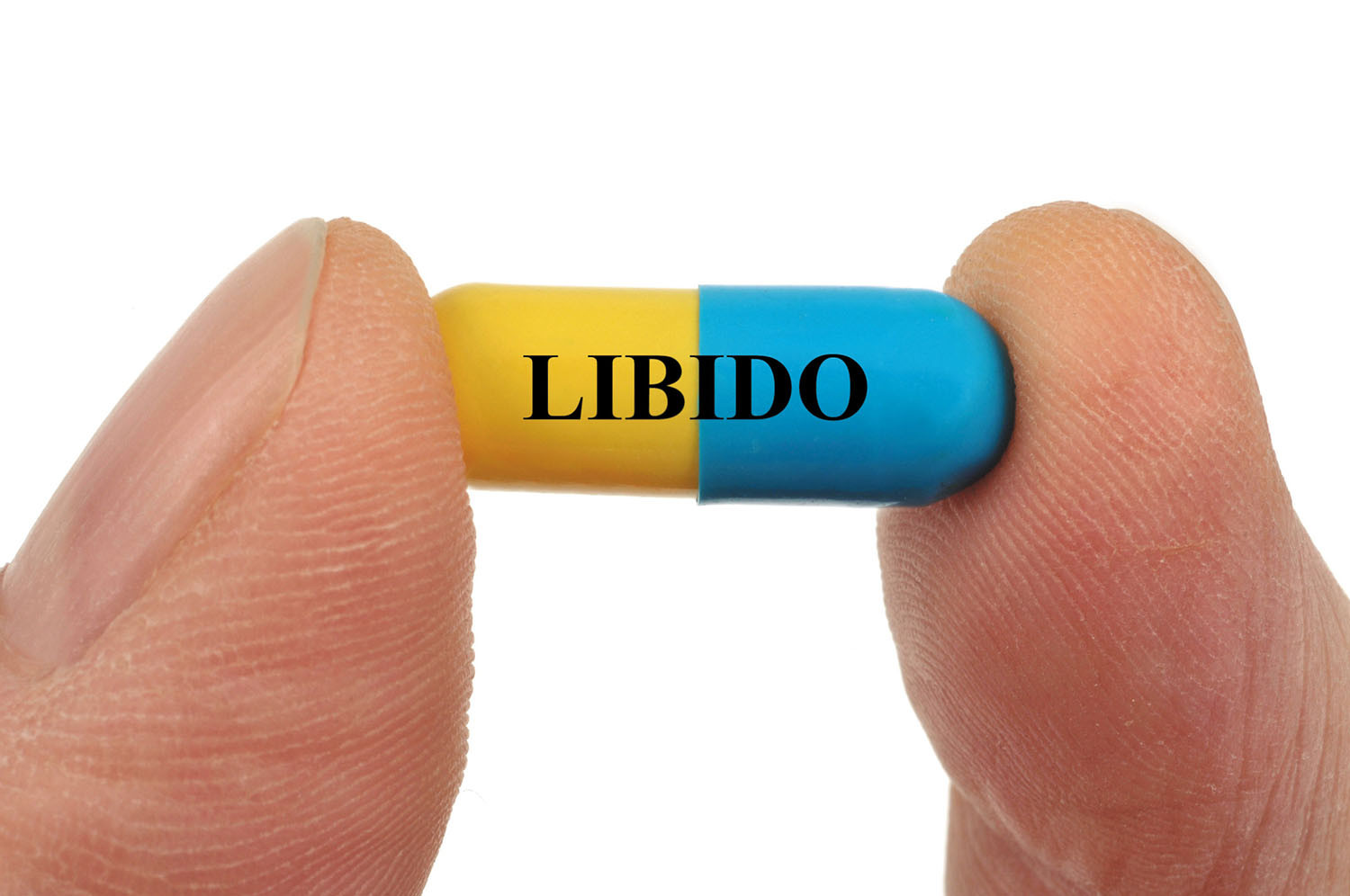
Q. I know that erectile dysfunction can be a common side effect of blood pressure medications, but can they also lower my sex drive?
A. Sexual issues are a side effect of many medications, including ones prescribed to lower blood pressure. You're correct that erectile dysfunction (ED) is mentioned most frequently. But blood pressure medicines also can decrease sexual drive or make it more difficult to reach orgasm.

Get healthy for vacation
Don't neglect healthy habits when planning your summer travels.
Before you leave for summer vacation, don't forget to pack some good health.
"While you should follow healthy habits year-round, you should give extra attention to certain areas when you travel, since you are often more active than usual," says Dr. Wynne Armand, a primary care physician at Harvard-affiliated Massachusetts General Hospital.

Taking osteoporosis drugs shouldn't prevent you from getting oral surgery
A drug holiday is one recommendation to reduce the risk of a rare bone condition that affects the jaw.
A dentist refers a woman to an oral surgeon because she needs a tooth pulled. But upon reviewing her chart, the oral surgeon turns her away.
The reason? She's taking a common medication to treat her osteoporosis, a condition that causes bones to become thin, brittle, and prone to fracture.

People who walk more or walk faster live longer, study finds
For sleep apnea, a dental device may be as effective as CPAP
Rosacea treatments: What works?
Carb cycling: What is it, and does it work?
Understanding orthorexia: Have your healthy eating goals gone too far?
Salmonella, E. coli, Cyclospora, and other germs that cause food poisoning: What you need to know
Melatonin or magnesium: Can either supplement help you sleep?
Naturally gluten-free foods
Shingrix shingles vaccine linked with lower heart disease risks
Harvard study: Healthier fats linked to longer life after prostate cancer diagnosis
Free Healthbeat Signup
Get the latest in health news delivered to your inbox!
Sign Up
