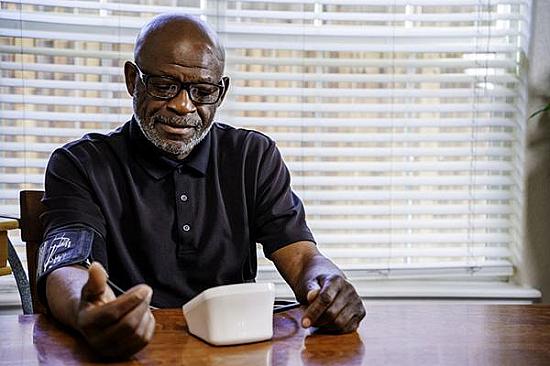
Virtual cardiac rehab: Heal your heart from home
Getting heart-related education and support via computer, tablet, or smartphone can make cardiac rehabilitation more convenient and accessible.
- Reviewed by Darshan Mehta, MD, MPH, Contributor

If you’ve had a heart attack, heart surgery, or other cardiovascular problem, one of the best things you can do to feel better and live longer is to attend cardiac rehabilitation. These programs provide supervised exercise and teach the fundamentals of a heart-healthy lifestyle. Cardiac rehab is recommended for many conditions (see “Am I eligible for cardiac rehab?”) — and research shows it can reduce the risk of future hospitalizations and death from heart disease by up to 25%.
But attending in-person sessions several times per week can be challenging, especially for people who work full-time or are caregivers. And if you live in a rural area far from a rehab facility, travel and time constraints can be even more of a burden.
What if you could access exercise programs and group educational sessions online, in the comfort of your own home? Thanks to the growing adoption of virtual cardiac rehab, this option is becoming increasingly available.
“There’s a great deal of interest in virtual cardiac rehab, especially since people are more comfortable with telehealth options in our post-pandemic world,” says Dr. Kaavya Paruchuri, clinical operations director for cardiovascular medicine at Harvard-affiliated Massachusetts General Hospital. Emerging evidence suggests that virtual rehab can be an effective alternative to traditional rehab, helping reduce hospitalizations and improve quality of life, she says.
Am I eligible for cardiac rehab?Cardiac rehabilitation programs are appropriate for the following conditions and procedures if you have a referral from your doctor:
|
In-person vs. virtual rehab
The initial overview of your heart-related risk factors can be in-person or virtual, but the exercise assessment is conducted in person and closely monitored by a nurse or exercise physiologist. It may include a stress test, during which you exercise on a treadmill or stationary bike, or a six-minute walk test, which involves walking on a defined course for six minutes at your usual pace. You’ll get an individualized treatment plan with goals for your blood pressure, blood sugar, heart rate during exercise, and weight (and smoking cessation, if needed).
During in-person cardiac rehab, subsequent exercise sessions occur in the rehabilitation center with staff nearby, which people find reassuring if they’re nervous about exerting themselves. “We expect and encourage people to exercise between sessions, so they get into the habit of this important lifestyle change,” says Dr. Paruchuri. After learning what intensity and amount of exercise is right for them, most people are cleared to exercise on their own, either at home or at a gym.
In-person cardiac rehab usually includes a group education session either immediately before or after each exercise session. These classes cover topics such as signs and symptoms of heart disease, heart-healthy eating, weight loss, stress management, and heart medications.
With virtual cardiac rehab, most hospitals or health care systems partner with outside companies that provide telemedicine platforms. Participants perform exercises at home as trained staff supervise them via video. The virtual platform also lets you access education classes online from your computer, tablet, or smartphone. Some programs are recorded and available on demand, while others are offered live — including those from a unique cardiac rehab program developed at the Harvard-affiliated Benson-Henry Institute for Mind Body Medicine, which is now available across the United States (see “What is intensive cardiac rehabilitation?”).
What is intensive cardiac rehabilitation?Intensive cardiac rehabilitation goes beyond traditional rehab by offering a holistic, more structured approach to address the root causes of heart disease. The Centers for Medicare and Medicaid Services has approved three such programs: Dr. Ornish’s Program for Reversing Heart Disease, Pritikin Intensive Cardiac Rehab, and the Harvard-affiliated Benson-Henry Institute (BHI) Intensive Cardiac Rehabilitation program based at Massachusetts General Hospital. While the first two primarily emphasize diet and nutrition, the BHI program focuses more on mind-body practices designed to reduce stress and its effects on health and well-being. These programs typically last 16 to 18 weeks. |
Online education
Live group video sessions have several advantages, says Dr. Paruchuri. For one thing, sessions are offered across multiple time zones, so you can attend at whatever time works for your schedule, including outside usual business hours. And if something comes up, you can simply join another session.
But the camaraderie may be one of the most important aspects. “Talking about your experiences and hearing that other people are going through something similar builds rapport and helps you feel less alone,” says Dr. Paruchuri. During classes, everyone can see the presenter, but for privacy reasons, participants don’t share their screens with others and are identified only by their first names. Still, people often attend sessions at the same time each week and gradually get to know one another, she adds. Also, engaging in virtual stress-reduction classes that teach guided visualizations, yoga, and tai chi is more convenient and comfortable and helps you get into the habit of practicing at home, says Dr. Paruchuri.
The hybrid option
Some hospitals and medical centers offer hybrid programs that blend aspects of traditional and virtual rehab. “For example, you might come for an in-person session at the beginning, middle, and end, but complete most of the exercise and educational sessions remotely,” says Dr. Paruchuri. If you qualify for cardiac rehab, ask your cardiologist what programs are available in your area and which option may work best for your needs.
Image: © luza studios/Getty Images
About the Author

Julie Corliss, Executive Editor, Harvard Heart Letter
About the Reviewer

Darshan Mehta, MD, MPH, Contributor
Disclaimer:
As a service to our readers, Harvard Health Publishing provides access to our library of archived content. Please note the date of last review or update on all articles.
No content on this site, regardless of date, should ever be used as a substitute for direct medical advice from your doctor or other qualified clinician.