

Light exposure at night may raise risk for heart disease

Whole grains may improve several heart risk factors at once

A lumbar belt may help ease low back pain

Children of centenarians may stay healthier and live longer too, study finds

Signs of pneumonia: Sometimes vague and unexpected

The surprising link between ovarian cancer and the fallopian tubes

Using a vibration plate: What it can — and can't — do for your body

People who walk more or walk faster live longer, study finds

For sleep apnea, a dental device may be as effective as CPAP

Rosacea treatments: What works?
Immune and infectious diseases Archive
Articles
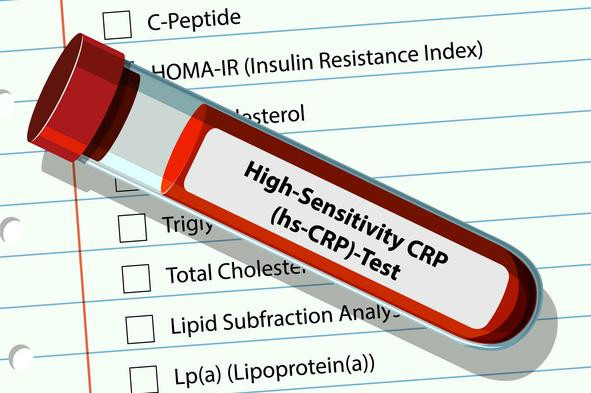
Inflammation and heart disease: A smoldering threat
Chronic, low-level inflammation is just as important as cholesterol in causing clogged heart arteries. Cardiologists are calling for more widespread testing for inflammation, which is easily measured with an inexpensive blood test.
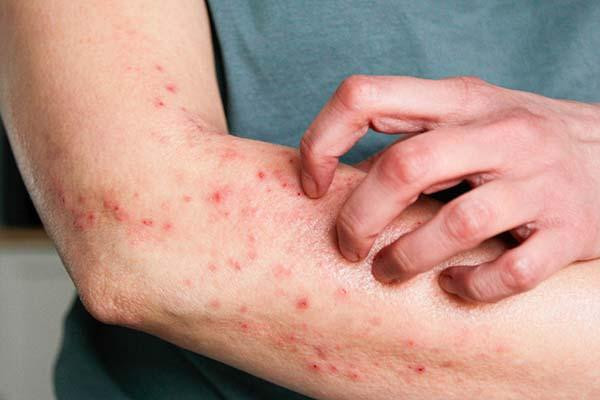
Is your skin problem actually an autoimmune condition?
Autoimmune disorders that may involve skin symptoms include psoriasis, lupus, scleroderma, dermatomyositis, vitiligo, bullous pemphigoid, alopecia areata, lichen planus, autoimmune thyroid disease, celiac disease, rheumatoid arthritis, and sarcoidosis.


Walking for wellness: Quick jaunts versus long treks
Physical activity improves physical and mental health, and walking is the simplest way to stay active. Walking for more than 10 minutes at a time may offer extra benefits, but all movement counts. For people over 60, 6,000 to 8,000 steps a day are optimal, regardless of walking speed.

An Indian adaptation of the Mediterranean diet
An Indian-adapted Mediterranean diet includes vegetarian-focused meals flavored with an array of vibrant spices. The fiber-rich meals contain anti-inflammatory compounds that may provide heart-related health benefits. Healthy protein sources include legumes, featured in dishes such as chana masala (chickpeas in a tomato-based sauce) and dal (a soupy stew made from dried split lentils or peas). Tomatoes, eggplant, and peppers appear often in both the Mediterranean diet and the Indian-adapted version, as do leafy greens such as spinach.

How "inflammaging" shapes our health
Inflammaging is chronic, low-grade inflammation throughout the body that occurs with aging. It is believed to accelerate aging and contribute to more than half of all deaths worldwide by driving various age-related diseases such as arthritis, autoimmune conditions, heart disease, cancer, diabetes, and Alzheimer's disease. People can combat inflammaging through healthy lifestyle measures such as exercising, eating healthfully, controlling weight, managing stress, prioritizing sleep, and limiting alcohol and smoking.

A Christmas Eve memory: Science leads to cures
Science has made astonishing progress in the past 60 years in many areas. Examples include the ability to repair certain defective genes, use stem cells to treat certain diseases, detect and fight many cancers, fight viruses with medications, make organ transplants work, and prevent disease with vaccines and lifestyle changes. Thanks to technological advances, doctors can also see clearly inside the body and use artificial intelligence to speed the development of new medications.

Can nasal irrigation help with winter colds and congestion?
Daily nasal irrigation (also called nasal rinses) may reduce symptom severity and the duration of a cold. It can also relieve the congestion caused by sinus infections and allergies. It is unclear whether it can prevent colds. By means of a squeeze bottle, neti pot, or battery-powered system, saline (salt water) is inserted into one nostril and flows out the other. It's important to always use sterile water, meaning distilled or cooled boiled water. The rinse helps wash away mucus and some inflammatory chemicals, reducing the swelling that's responsible for congestion.
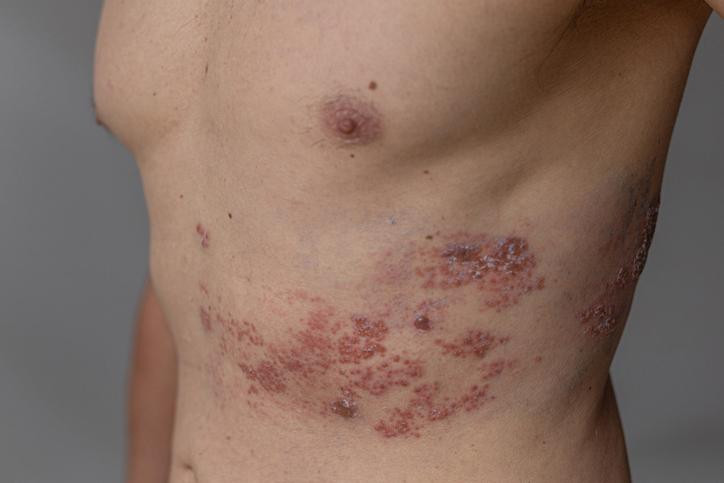
What to do if you have - or suspect you have - shingles
Shingles occurs when the dormant chickenpox virus reactivates, causing tingling, burning, and a painful, blistering rash. Shingles can affect anyone who has had chickenpox, with higher risk after age 50 and in people with weakened immunity. Diagnosis and treatment within three days of the rash appearing can shorten the illness and reduce severity. Most people recover completely from shingles, but there may be complications, such as post-herpetic neuralgia, which is pain that can be severe and long-lasting. Vaccination is the best way to prevent shingles and its complications.
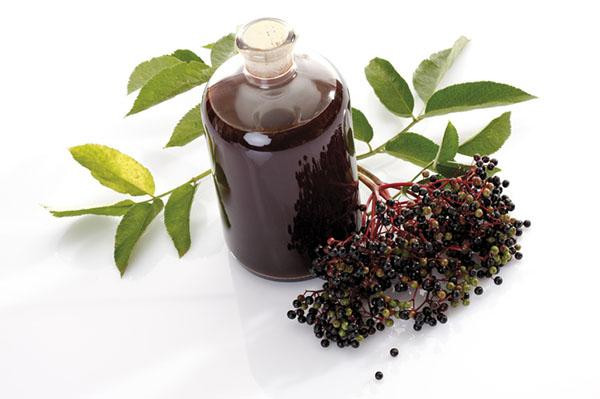
What are the health benefits of elderberry?
Elderberry syrup or tea may help reduce the duration and severity of cold and flu symptoms. But the evidence for these benefits is uncertain, since the studies are small and most did not compare elderberry to standard treatments. Claims that elderberry products can prevent viral infections or boost immunity are unproven. Elderberry supplements appear to be relatively safe; in clinical trials, effects such as nausea, vomiting, or diarrhea were mild and rare.
Light exposure at night may raise risk for heart disease
Whole grains may improve several heart risk factors at once
A lumbar belt may help ease low back pain
Children of centenarians may stay healthier and live longer too, study finds
Signs of pneumonia: Sometimes vague and unexpected
The surprising link between ovarian cancer and the fallopian tubes
Using a vibration plate: What it can — and can't — do for your body
People who walk more or walk faster live longer, study finds
For sleep apnea, a dental device may be as effective as CPAP
Rosacea treatments: What works?
Free Healthbeat Signup
Get the latest in health news delivered to your inbox!
Sign Up
