

Light exposure at night may raise risk for heart disease

Whole grains may improve several heart risk factors at once

A lumbar belt may help ease low back pain

Children of centenarians may stay healthier and live longer too, study finds

Signs of pneumonia: Sometimes vague and unexpected

The surprising link between ovarian cancer and the fallopian tubes

Using a vibration plate: What it can — and can't — do for your body

People who walk more or walk faster live longer, study finds
For sleep apnea, a dental device may be as effective as CPAP

Rosacea treatments: What works?
Immune and infectious diseases Archive
Articles
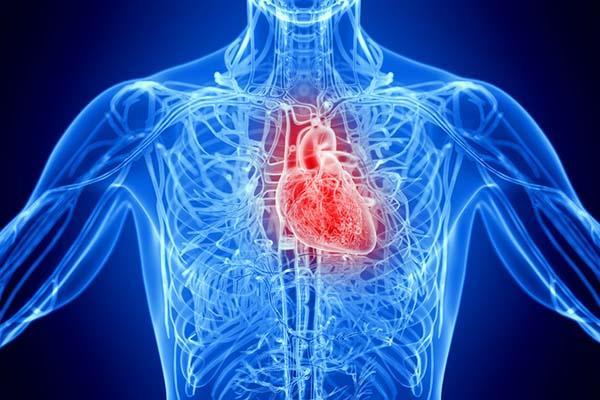
Can you treat inflammation to lower heart risk?
While a large study found that a drug to lower inflammation failed to prevent heart attacks and related risk, inflammation is still important in the development of coronary artery disease.

Salmonella, E. coli, Cyclospora, and other germs that cause food poisoning: What you need to know
Bacteria, parasites, and viruses can all cause food poisoning. Proper handling, cooking, and storage of food help reduce the chances of an infection. If you get food poisoning, it usually can be treated at home by replenishing lost fluids and electrolytes.

Could Graves' disease raise the risk of other autoimmune conditions?
Graves’ disease affects the thyroid, but its broader impact may involve other parts of the body. Find out which conditions doctors monitor.

Could sarcoidosis affect platelet levels?
A sarcoidosis diagnosis followed by ITP can raise concerns about a possible connection. Discover what may link these conditions and what remains uncertain.

Could a lingering cough after a cold signal asthma?
A post-cold cough may signal more than a temporary problem. See how reactive airways disease is evaluated and whether risk can be passed to children.

Does a lingering cough mean I still have an infection?
A cough that lingers for weeks after a cold can be confusing. Learn why it can persist, what else might be going on, and when to see your doctor.

Shingrix shingles vaccine linked with lower heart disease risks
Avoiding a painful shingles attack is reason enough to get vaccinated, but protecting your heart may be another. A major study found that people who received two doses of the Shingrix vaccine have a 9% lower risk of serious heart-related issues over seven years compared to those who got the old Zostavax vaccine.

Stair climbing may significantly lower cardiovascular risks
A 2026 research review and meta-analysis suggests that regular stair climbing may lower people’s risks of dying of cardiovascular problems or any cause, as well as reduce the risks of heart attack, stroke, or heart failure.
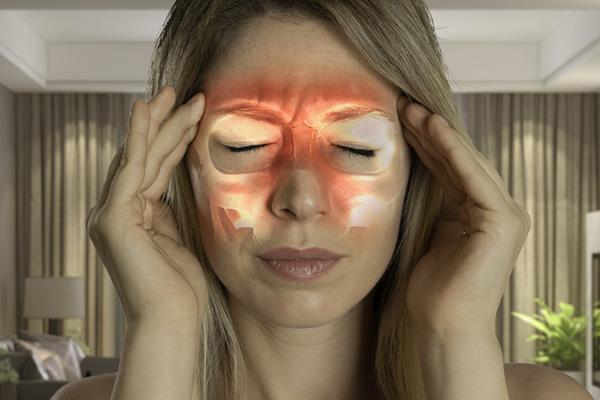
What signs point to a bacterial sinus infection?
Sinus symptoms can have several causes, and certain patterns may help distinguish a routine cold from a problem needing medical attention.

What should people with thyroid nodules know about kelp?
Kelp contains a nutrient that affects thyroid function, making supplement choices important for people with nodules or other thyroid concerns.
Light exposure at night may raise risk for heart disease
Whole grains may improve several heart risk factors at once
A lumbar belt may help ease low back pain
Children of centenarians may stay healthier and live longer too, study finds
Signs of pneumonia: Sometimes vague and unexpected
The surprising link between ovarian cancer and the fallopian tubes
Using a vibration plate: What it can — and can't — do for your body
People who walk more or walk faster live longer, study finds
For sleep apnea, a dental device may be as effective as CPAP
Rosacea treatments: What works?
Free Healthbeat Signup
Get the latest in health news delivered to your inbox!
Sign Up
