

Light exposure at night may raise risk for heart disease

Whole grains may improve several heart risk factors at once

A lumbar belt may help ease low back pain

Children of centenarians may stay healthier and live longer too, study finds

Signs of pneumonia: Sometimes vague and unexpected

The surprising link between ovarian cancer and the fallopian tubes

Using a vibration plate: What it can — and can't — do for your body

People who walk more or walk faster live longer, study finds

For sleep apnea, a dental device may be as effective as CPAP

Rosacea treatments: What works?
Immune and infectious diseases Archive
Articles

Be wise about bee and wasp stings
In most cases, bee, wasp, or hornet stings can be treated with simple remedies. For example, placing a cold pack on the sting site helps reduce swelling. Applying over-the-counter hydrocortisone cream helps relieve swelling and itching, too. Taking an antihistamine—such as fexofenadine (Allegra) or loratadine (Claritin)—also eases itching. If symptoms persist for a few days, it’s time to call a doctor. If a severe allergic response develops—indicated by difficulty breathing or hives—it’s crucial to call 911 for help and get an injection of epinephrine as soon as possible.
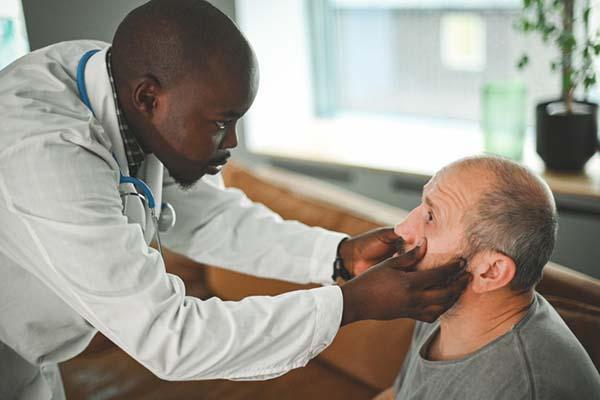
Can stress cause Bell's palsy?
Explore what doctors know about Bell’s palsy triggers, from stress to viral infections and diabetes, and why pinpointing a cause is tricky

How to recognize AI slop in online dietary advice
AI-generated nutrition misinformation, also known as AI slop, is all too easy to find online. While some AI posts can offer helpful dietary guidance, watch for sensational claims, unverified credentials, and cherry-picked research. If health advice sounds too good to be true, it probably is.

Ringworm: What to know and do
Ringworm is a common, contagious skin infection caused by a fungus. Children can get it from other people who have it or from an infected animal. While it can be itchy and unpleasant, ringworm is usually harmless.


How soon can I start exercising again after the flu?
Your first workouts when recovering from the flu should be lighter and slower than usual. Your body will let you know when you're ready to ramp back up.
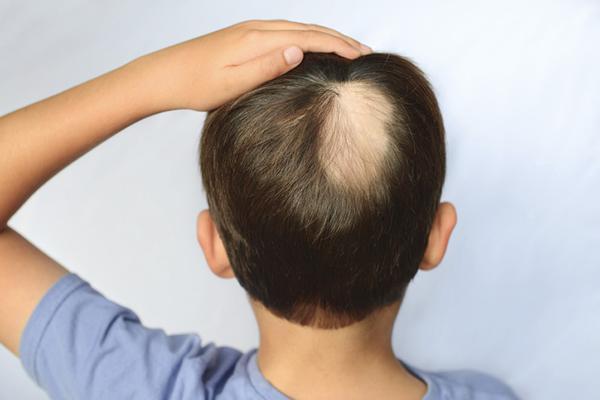
What could cause hair loss in a preteen boy?
Bald spots or thinning hair in pre‑teen boys can happen for a number of reasons. These include scalp infections, tight hairstyles, immune conditions, or stress.

The joy and health benefits of cycling
Bicycling offers joint-friendly aerobic exercise, builds leg muscles, and aids recovery after knee or ankle surgery. The most appropriate type of bicycle—road, mountain, hybrid, or adaptive (recumbent, tricycle, hand cycle)—depends on where people ride and their abilities.

Oral side effects of common medications
Many common medications can affect oral health, causing issues like dry mouth, taste changes, gum swelling, mouth sores, or thrush. Patients should check side effects on medication labels, report persistent symptoms, review medications annually, and keep up with regular dental visits.
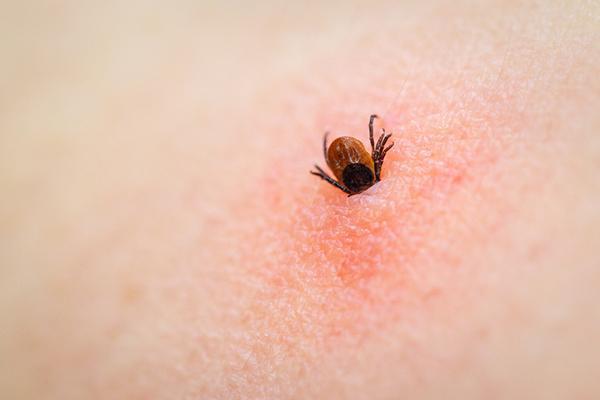
The problem with "classic" Lyme disease symptoms
Most people with early-stage Lyme disease symptoms develop a rash, but it often lacks bull’s-eye features—which many people have been told to look for. Other signs of Lyme disease include headache, neck pain, joint aches, and fatigue.
Light exposure at night may raise risk for heart disease
Whole grains may improve several heart risk factors at once
A lumbar belt may help ease low back pain
Children of centenarians may stay healthier and live longer too, study finds
Signs of pneumonia: Sometimes vague and unexpected
The surprising link between ovarian cancer and the fallopian tubes
Using a vibration plate: What it can — and can't — do for your body
People who walk more or walk faster live longer, study finds
For sleep apnea, a dental device may be as effective as CPAP
Rosacea treatments: What works?
Free Healthbeat Signup
Get the latest in health news delivered to your inbox!
Sign Up
