

Light exposure at night may raise risk for heart disease

Whole grains may improve several heart risk factors at once

A lumbar belt may help ease low back pain

Children of centenarians may stay healthier and live longer too, study finds

Signs of pneumonia: Sometimes vague and unexpected

The surprising link between ovarian cancer and the fallopian tubes

Using a vibration plate: What it can — and can't — do for your body

People who walk more or walk faster live longer, study finds

For sleep apnea, a dental device may be as effective as CPAP

Rosacea treatments: What works?
Immune and infectious diseases Archive
Articles

Antiviral medications for winter bugs
Several factors increase the risk for complications from COVID-19 or influenza and should prompt someone to request an antiviral medication as soon as possible, even if they have been vaccinated or have had the infections before. The risk factors are age (being 65 or older), an impaired immune system, and underlying conditions (especially heart or lung disease). Pregnant women also are at increased risk for severe influenza and COVID, and should consider taking an antiviral.
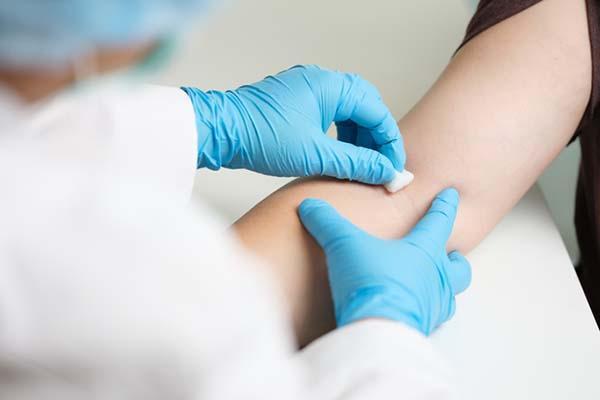
What does a positive TB skin test mean?
A positive TB skin test can raise questions about infection, exposure, and what happens next. Find out which follow-up steps may be needed.

What heart problems can be heard with a stethoscope?
The most common problems detected with a stethoscope are conditions that affect one of your heart valves—usually the aortic valve or the mitral valve. While often harmless, these problems sometimes require monitoring and treatment.

Anti-inflammatory diet: Foods that help reduce chronic inflammation
An anti-inflammatory diet may help rein in chronic inflammation. The eating plan is rich in vegetables, fruit, healthy oils, nuts and seeds, and other foods with anti-inflammatory benefits. What’s not included: refined carbohydrates, red and processed meats, deep-fried foods, and other inflammation-promoting foods.
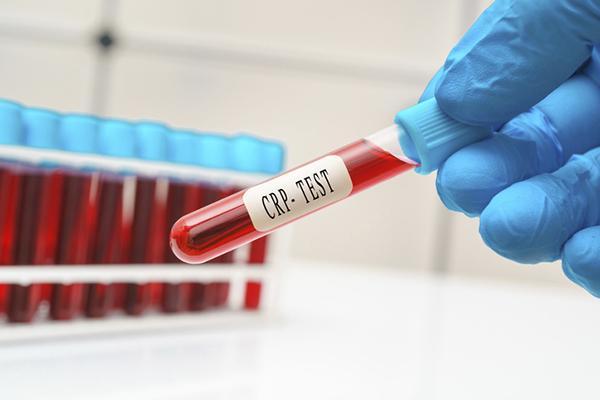
C-reactive protein: Should healthy people be tested for it?
Scientists are learning that chronic inflammation can raise people’s risk for cardiovascular disease much like established risk factors. The American College of Cardiology advocates measuring an inflammation marker called C-reactive protein in healthy people to reveal hidden heart disease risk.
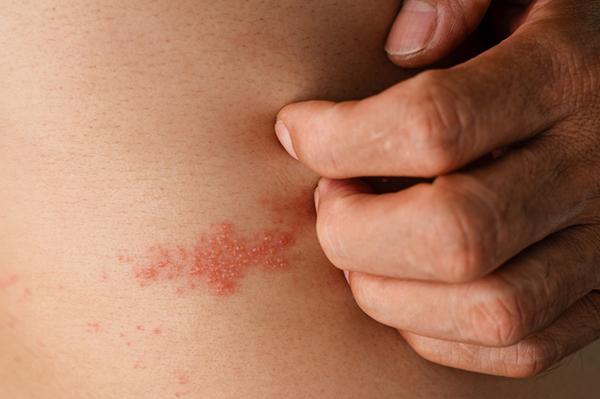
Can taking Valtrex for shingles affect my birth control?
Women on birth control who develop shingles may worry Valtrex could reduce protection. Find out if this antiviral impacts contraceptives.

Do you still need your thyroid medication?
Diagnosing hypothyroidism can be tricky because typical symptoms (such as fatigue and trouble losing weight) have many other possible causes. Some people treated for hypothyroidism may be able to safely stop treatment with close medical monitoring.

Can MRSA return after treatment?
A MRSA infection may be treatable, yet the bacteria can sometimes remain on the body and return. Find out what recovery and prevention involve.

What conditions can cause peeling skin on the fingers and hands?
Peeling skin on your fingers can signal eczema, infection, or other issues. Explore common triggers, treatments, and when to call the doctor.

What should pregnant women know about flu shots?
Pregnancy can change the balance of risks and benefits around flu vaccination. Key safety considerations may help guide a discussion with your obstetrician.
Light exposure at night may raise risk for heart disease
Whole grains may improve several heart risk factors at once
A lumbar belt may help ease low back pain
Children of centenarians may stay healthier and live longer too, study finds
Signs of pneumonia: Sometimes vague and unexpected
The surprising link between ovarian cancer and the fallopian tubes
Using a vibration plate: What it can — and can't — do for your body
People who walk more or walk faster live longer, study finds
For sleep apnea, a dental device may be as effective as CPAP
Rosacea treatments: What works?
Free Healthbeat Signup
Get the latest in health news delivered to your inbox!
Sign Up
