

Light exposure at night may raise risk for heart disease

Whole grains may improve several heart risk factors at once

A lumbar belt may help ease low back pain

Children of centenarians may stay healthier and live longer too, study finds

Signs of pneumonia: Sometimes vague and unexpected

The surprising link between ovarian cancer and the fallopian tubes

Using a vibration plate: What it can — and can't — do for your body

People who walk more or walk faster live longer, study finds

For sleep apnea, a dental device may be as effective as CPAP

Rosacea treatments: What works?
Immune and infectious diseases Archive
Articles


Common celiac disease symptoms
Celiac disease affects everyone differently. While some people develop digestive symptoms, such as bloating and diarrhea, many adults also experience non-digestive symptoms, such as anemia or osteoporosis. Others have no noticeable symptoms despite intestinal damage.


How much activity is safe with mononucleosis?
Mononucleosis can affect more than energy levels. Activity choices matter during illness, especially when the spleen may be enlarged.
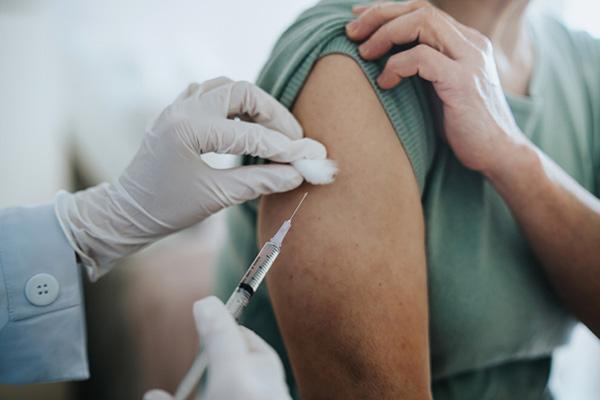
What does a killed virus mean in a vaccine?
Vaccines can contain different forms of viruses, and the choice may affect how your immune system responds and which vaccine is right for you.

What can cause a red, tingling tongue?
A red, tingling tongue can have several possible triggers, from everyday irritants to health conditions that may need medical attention.

Is scarlet fever a one-time illness?
Scarlet fever can bring a telltale rash, fever, and sore throat. Explore how it spreads, how it’s treated, and what recovery may involve.

What does a slightly high lymphocyte percentage mean on my bloodwork??
Learn what an unexpected shift in white blood cells may mean and when it deserves a closer look with your doctor.

FDA approves first mRNA-based flu vaccine
The FDA approved Moderna's mFLUSIVA, the first mRNA flu vaccine, for adults ages 50 and older. Trials showed it outperformed traditional flu shots in preventing infection, though with a higher rate of side effects. It’s expected to be available in time for flu season.
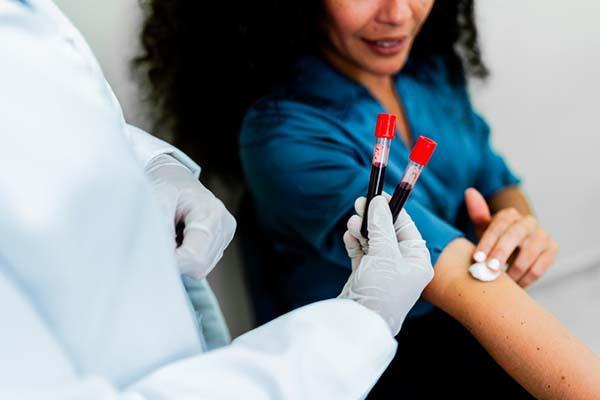
What does a low white blood cell count mean?
A lower-than-usual white blood cell count is often temporary, especially after illness. Find out what your number may mean and when retesting might be needed.
Light exposure at night may raise risk for heart disease
Whole grains may improve several heart risk factors at once
A lumbar belt may help ease low back pain
Children of centenarians may stay healthier and live longer too, study finds
Signs of pneumonia: Sometimes vague and unexpected
The surprising link between ovarian cancer and the fallopian tubes
Using a vibration plate: What it can — and can't — do for your body
People who walk more or walk faster live longer, study finds
For sleep apnea, a dental device may be as effective as CPAP
Rosacea treatments: What works?
Free Healthbeat Signup
Get the latest in health news delivered to your inbox!
Sign Up
