

Oat vs. dairy milk: Nutrition, benefits, and downsides

Microplastics: A hidden health threat?

Healing after food poisoning

What is tempeh? Benefits, nutrition, and how to use it

Light exposure at night may raise risk for heart disease

Whole grains may improve several heart risk factors at once

A lumbar belt may help ease low back pain

Children of centenarians may stay healthier and live longer too, study finds

Signs of pneumonia: Sometimes vague and unexpected

The surprising link between ovarian cancer and the fallopian tubes
Healthy aging and longevity Archive
Articles

How much activity is safe with mononucleosis?
Mononucleosis can affect more than energy levels. Activity choices matter during illness, especially when the spleen may be enlarged.

Epigenetics and aging: How are they connected?
Epigenetics is the study of how behavior, the environment, and other factors can trigger chemical changes to DNA or nearby proteins that affect how genes work. Collectively, these changes (known as epigenetic marks) may provide clues about health and longevity.

What are the risks of an Rh mismatch in a transfusion?
Blood type compatibility matters during transfusions, and an Rh mismatch can create risks that may not appear immediately.

What does a killed virus mean in a vaccine?
Vaccines can contain different forms of viruses, and the choice may affect how your immune system responds and which vaccine is right for you.
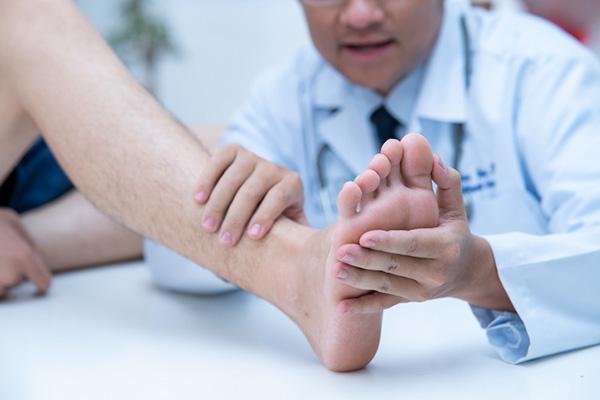
Can long-term statin use cause foot neuropathy?
Numbness or tingling in the feet can have many causes. See how statin use fits into the evaluation and what factors doctors may consider.
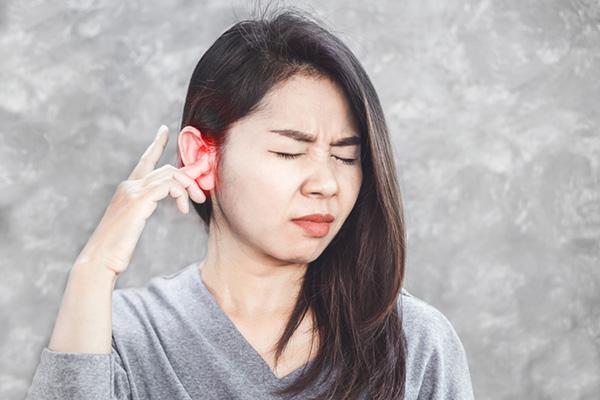
Can allergies trigger ringing in the ears?
Allergy symptoms can affect more than your nose. See why nasal congestion may be linked with tinnitus and what may help guide next steps.

How can past substance use affect aging?
Past smoking, heavy drinking, and drug use can raise lasting questions about aging. Find out which factors shape future health and longevity.
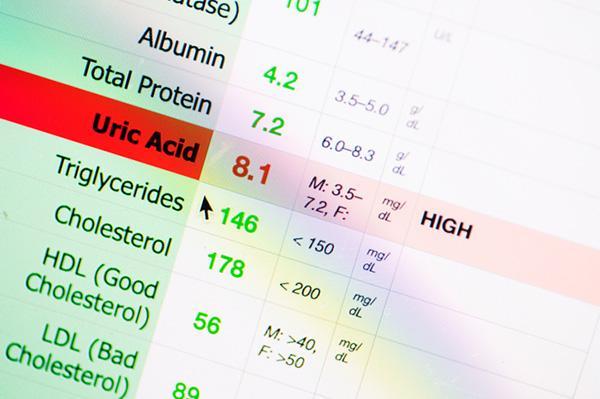
When is treatment needed for high uric acid?
High uric acid doesn’t always mean daily treatment. Several factors, including gout symptoms and kidney health, can help guide the next step.
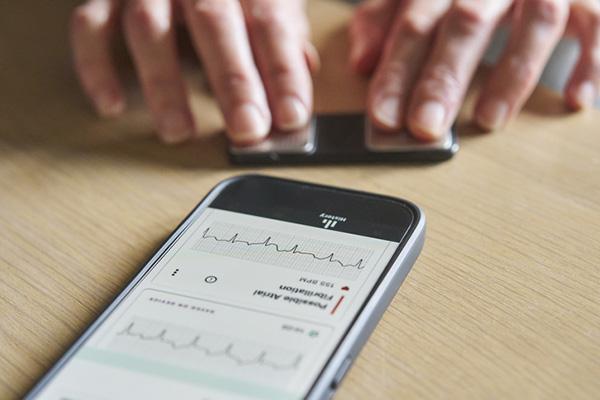
What should you know about atrial fibrillation without heart disease?
A new heart rhythm diagnosis can be unsettling, even when other tests look normal. Find out what to discuss with your doctor next.

Men might be more likely than women to rely on their doctors when making health care decisions
A 2026 analysis indicated that among adults ages 50 and older, men were more inclined than women to rely on medical professionals when making health care decisions and less likely to put quality of life ahead of simply living longer.
Oat vs. dairy milk: Nutrition, benefits, and downsides
Microplastics: A hidden health threat?
Healing after food poisoning
What is tempeh? Benefits, nutrition, and how to use it
Light exposure at night may raise risk for heart disease
Whole grains may improve several heart risk factors at once
A lumbar belt may help ease low back pain
Children of centenarians may stay healthier and live longer too, study finds
Signs of pneumonia: Sometimes vague and unexpected
The surprising link between ovarian cancer and the fallopian tubes
Free Healthbeat Signup
Get the latest in health news delivered to your inbox!
Sign Up
