

CoQ10: Should you take this popular supplement if you're on a statin?

Oat vs. dairy milk: Nutrition, benefits, and downsides

Microplastics: A hidden health threat?

Healing after food poisoning

What is tempeh? Benefits, nutrition, and how to use it

Light exposure at night may raise risk for heart disease

Whole grains may improve several heart risk factors at once

A lumbar belt may help ease low back pain

Children of centenarians may stay healthier and live longer too, study finds

Signs of pneumonia: Sometimes vague and unexpected
Healthy aging and longevity Archive
Articles

Uncovering the connection between sleep and heart health
Research we're watching
Sleeping either too little or too much has been linked to a higher risk of heart disease. But how much do other interconnected factors — namely, activity levels and body weight — affect this observation?
In an effort to find out, researchers studied nearly 240,000 healthy adults ages 51 to 72 who were part of a nationwide health study. The investigators examined the influence of moderate-to-vigorous physical activity, television viewing, and body mass index on sleep duration and death rates.
Many prescription drug users not aware of driving-related risks
In the journals
People who take prescription drugs do not always know about side effects that could increase their risk of driving accidents, suggests a study published online Oct. 31, 2017, by the Journal of Studies on Alcohol and Drugs.
Researchers asked 7,405 drivers about their prescription drug use. Nearly 20% used medication that could affect their driving skills — for example, by causing drowsiness or impairing cognitive or motor function — yet almost all were unaware of these potential side effects. Either they did not receive or remember a warning from their doctor or pharmacist, or they did not recognize or recall a warning on the drug label.
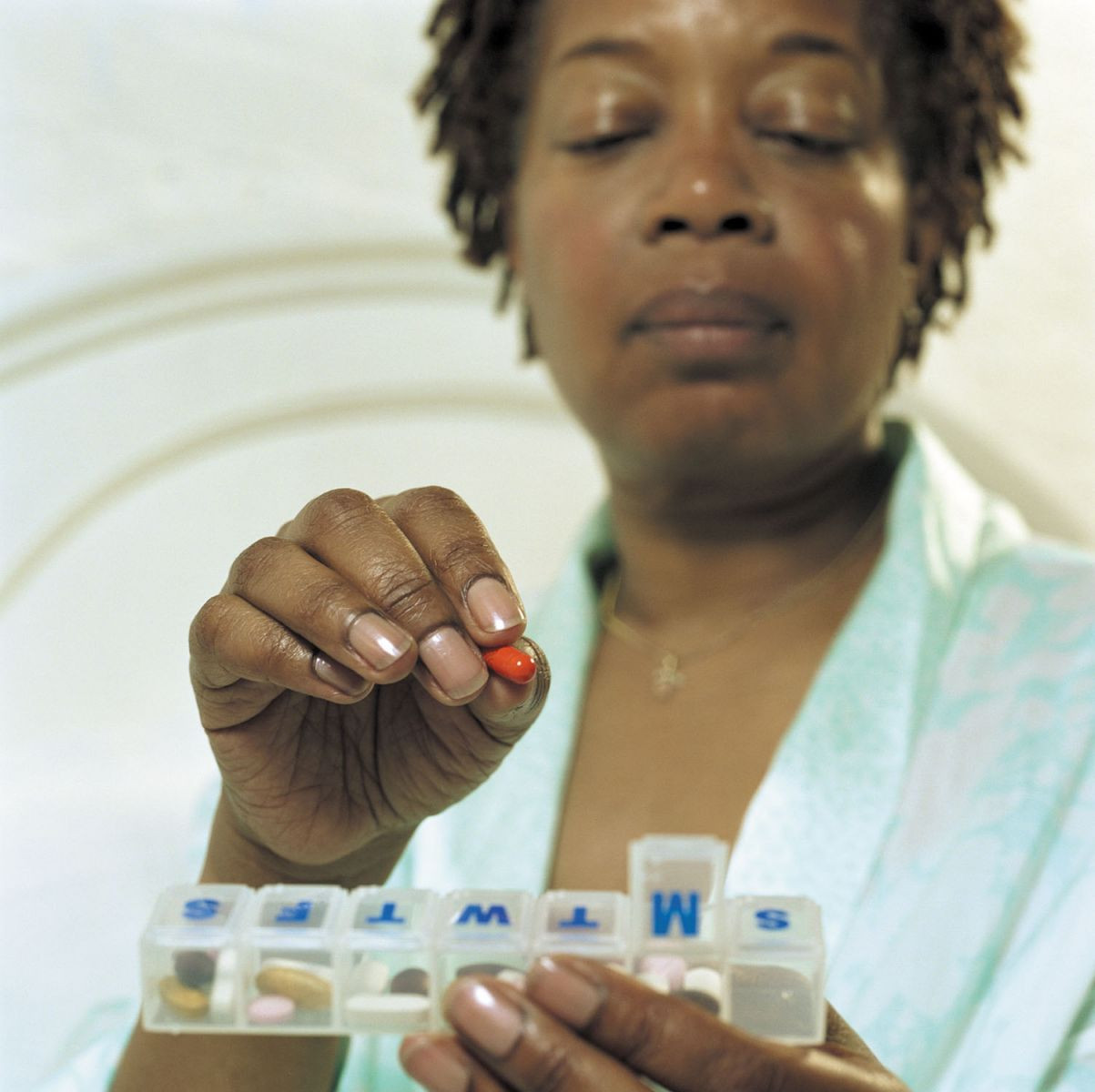
Protect yourself from medication mix-ups
Being vigilant about what you're taking can reduce your risk of a harmful drug reaction.
There's an old expression that the cure is sometimes worse than the disease. That rings true when it comes to a common problem in health care — medication errors.
Medication mix-ups and mistakes sometimes lead to harmful drug reactions, which cause about 700,000 emergency department visits and 100,000 hospital admissions each year, according to the Agency for Healthcare Research and Quality.
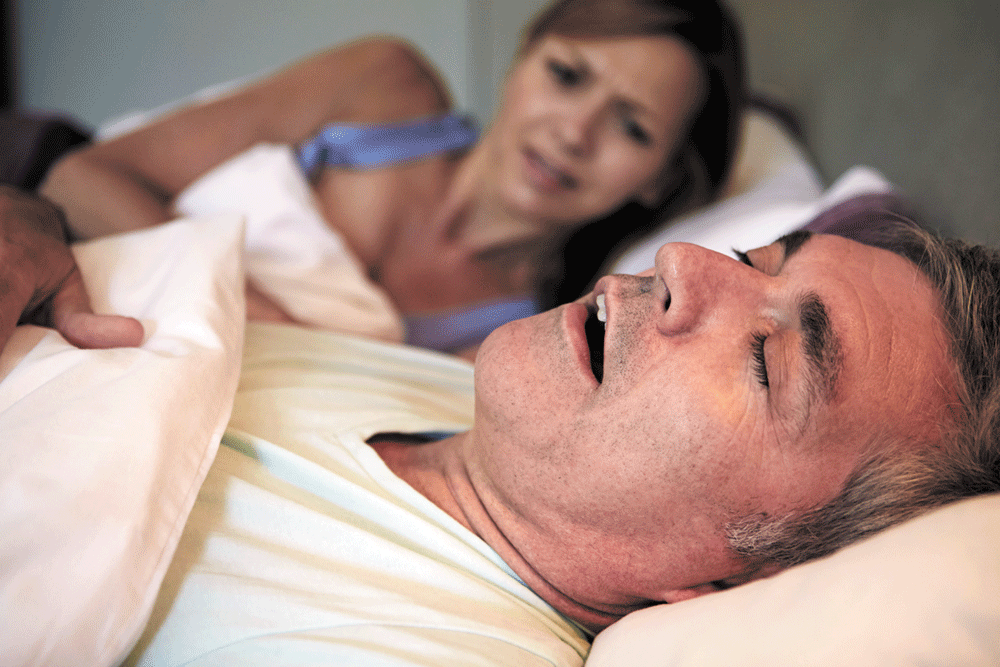
Is snoring always a sign of sleep apnea?
Ask the doctors
Q. My partner says I snore at night. Does this mean I have sleep apnea?
A. If you snore at night, you're in good company. Some 90 million Americans have the same problem, according to the American Sleep Apnea Association. And luckily, not all of them have sleep apnea. Snoring is typically caused by a narrowing of your upper airway. Tissues in the back of your throat sometimes relax in your sleep and drop down, partially blocking the passageway. Air from your breathing rattles the tissue, creating that distinctive noise as it flows past.
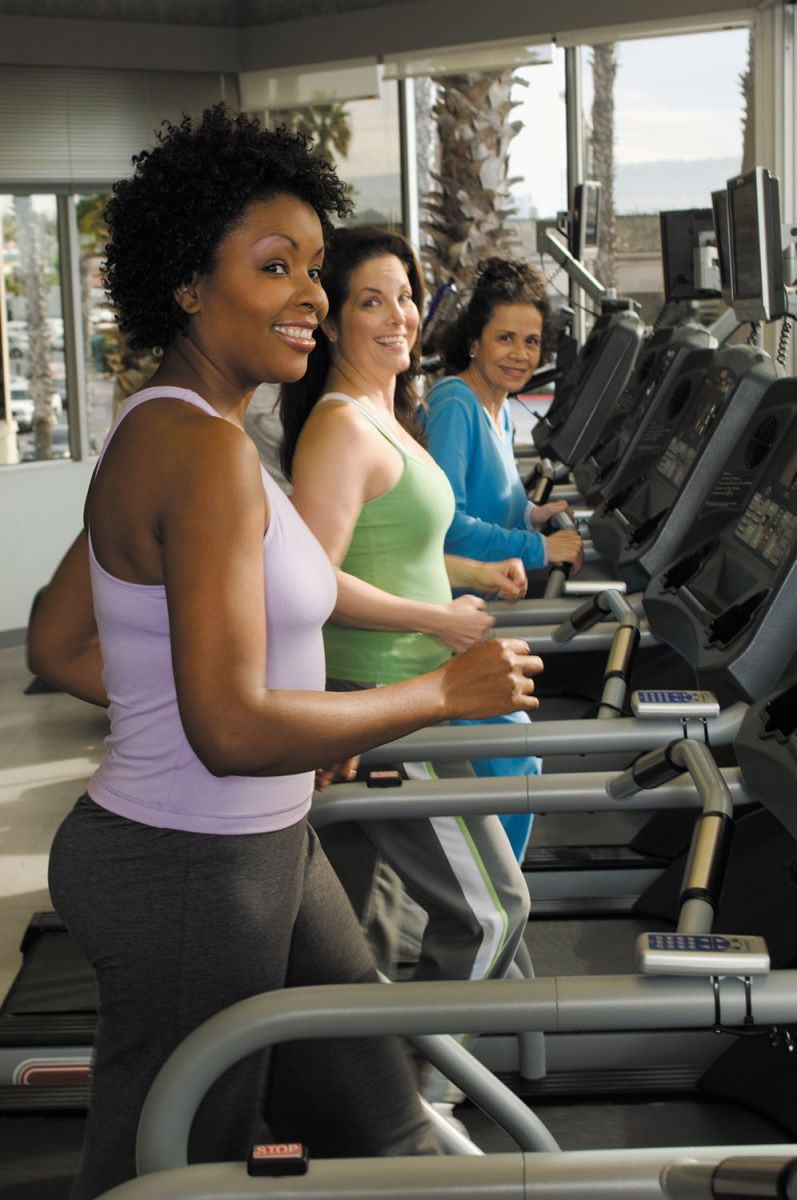
Is there an optimal time of day for exercise?
Ask the doctors
Q. What's the best time of day to exercise to get the most benefit?
A. Some people swear by morning workouts, because they squeeze them in before a busy schedule can derail their efforts. Morning exercise sessions may also help them move into their day feeling energized. But others dread the idea of dragging themselves out of bed early to hit the treadmill. Instead, they save their workout until the end of the day, when they feel more limber and can unwind.

Don’t let the cold put a freeze on your daily workout schedule
Keeping active in the winter months is crucial for wellness.
Image: © Sasha_Suzi/Thinkstock
Workouts often fall by the wayside in winter. It's cold and snowy, and if you're like a lot of women, all you want to do is curl up under a blanket with a cup of hot tea and snack on some leftover holiday cookies.
"Based on my experience with clients, it seems like people go into hibernation mode from Thanksgiving until March," says Dr. Beth Frates, assistant professor of physical medicine and rehabilitation at Harvard Medical School and director of wellness programming for the Stroke Research and Recovery Institute at Spaulding Rehabilitation Hospital.

Rapid urine test could reduce unnecessary antibiotic use
Research we're watching
Image: © moodboard/Thinkstock
A new test might help doctors better treat patients with urinary tract infections, according to a study published in the Oct. 4, 2017, issue of Science Translational Medicine. These infections prompt some eight million doctor visits each year, and doctors often prescribe antibiotics to treat the condition. However, sometimes the bacteria they are attempting to treat are resistant to first-line antibiotics. The delay caused by the ineffective medication can, in some cases, cause the patient's condition to worsen and lead to complications. To eliminate this antibiotic guesswork, researchers developed a new quick-acting antimicrobial susceptibility test that not only tells the doctor within 30 minutes whether the patient has a urinary tract infection, but also what type of bacteria caused it and what drugs will best treat it. The test can also quickly identify cases where antibiotics aren't needed at all, preventing overuse of antibiotics, which can promote resistance. The same type of rapid testing, might eventually be of use in identifying the best anti-biotics for other types of bacterial infections as well.
And the winner for highest sodium content goes to…
Research we're watching
You've heard of the Grammys and the Emmys, but how about the MilliGrammys? This satirical award is given by the Center for Science in the Public Interest (CSPI) to the American restaurant foods that give you the biggest dose of sodium in one serving. On Oct. 11, 2017, the organization gave the award for Sodium Content in a Sandwich by a Chain Restaurant to Subway's Footlong Spicy Italian with Provolone and Mayo, with 3,380 milligrams (mg) of sodium, 1,080 mg more sodium than you're supposed to eat in an entire day. Most Sodium in a Single Menu Item went to P.F. Chang's Pad Thai with Shrimp (5,250 mg of sodium), and Chili's restaurant received a Lifetime Achievement Award for a trio of high-salt offerings, including the Beef Bacon Ranch Quesadilla (3,990 mg of sodium), Crispy Fiery Pepper Crispers (6,240 mg), and Texas Dry Rub Ribs (6,260 mg).
CSPI's goal is to raise awareness and get restaurants to curb high sodium levels in their food. To learn more about the awards, visit www.health.harvard.edu/mga.

Power training: A complementary approach
Another type of training, known as power training, is proving to be just as important as traditional strength training in helping to maintain or rebuild muscles and strength—maybe even more important.
As the name suggests, power training is aimed at increasing power, which is the product of both strength and speed, reflecting how quickly you can exert force to produce the desired movement. Thus, faced with a mountain hike, you may have enough strength to reach the summit. But can you keep up with the younger members of your hiking group? Power, not just strength and cardio fitness, can get you up the steep inclines quickly and safely. By helping you react swiftly if you trip over a root or lose your balance on loose rocks, power can actually prevent falls.

How stretching keeps your joints moving
Your range of motion — how far you can move a joint in various directions — is determined by many things, starting with the inner workings of the joint and the structures surrounding it. Stretching exercises can help extend this range of motion. To understand how, it helps to be familiar with these structures and how they can help — or hinder — a joint's flexibility:
- Joints are the junctions that link bones together. The architecture of each joint — that is, whether its structure is a hinge, pivot, or ball-in-socket — determines how the bones can move.
- Muscles surround joints and provide the energy used to move them. The amount of tension in the muscles surrounding a joint is a key factor in how big of a range of motion that joint can achieve. Muscle tension can be affected both by passive factors, such as tissue scarring or your habitual posture, and by active factors, such as involuntary muscle spasms or purposeful muscle contractions.
- Tendons are flexible cords of strong tissue that connect muscles to bones and make movement possible. When a joint moves, energy from the muscles is transferred into the tendons, which tug on the bones.
- Ligaments are tough, fibrous bands of tissue that bind bone to bone, or bone to cartilage, at a joint. An example is the anterior cruciate ligament (ACL), one of five ligaments that together control the movements of the knee. Among other things, the ACL keeps the knee joint from rotating too far.
When you stretch, you're working muscles and tendons rather than ligaments. Ligaments are not supposed to be elastic. An overly stretchy ligament wouldn't provide the stability and support needed for a safe range of movement.
CoQ10: Should you take this popular supplement if you're on a statin?
Oat vs. dairy milk: Nutrition, benefits, and downsides
Microplastics: A hidden health threat?
Healing after food poisoning
What is tempeh? Benefits, nutrition, and how to use it
Light exposure at night may raise risk for heart disease
Whole grains may improve several heart risk factors at once
A lumbar belt may help ease low back pain
Children of centenarians may stay healthier and live longer too, study finds
Signs of pneumonia: Sometimes vague and unexpected
Free Healthbeat Signup
Get the latest in health news delivered to your inbox!
Sign Up
