

Oat vs. dairy milk: Nutrition, benefits, and downsides

Microplastics: A hidden health threat?

Healing after food poisoning

What is tempeh? Benefits, nutrition, and how to use it

Light exposure at night may raise risk for heart disease

Whole grains may improve several heart risk factors at once

A lumbar belt may help ease low back pain

Children of centenarians may stay healthier and live longer too, study finds

Signs of pneumonia: Sometimes vague and unexpected

The surprising link between ovarian cancer and the fallopian tubes
Healthy aging and longevity Archive
Articles

A tough question: When should an older driver stop driving?
Navigating whether or when an older person should limit or stop driving is tricky. Whether these concerns are about a family member or yourself, it's helpful to be aware of red flags and to understand how driving abilities -- and risk for motor vehicle accidents -- change with age.
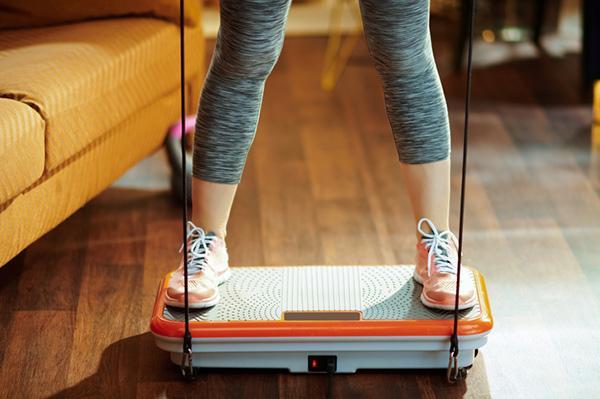
Using a vibration plate: What it can — and can't — do for your body
Using a vibration plate has become a wellness fad, with proponents claiming it can improve bone and muscle strength, balance, circulation, weight loss, and more. But little research backs up those claims. Only balance appears to improve in certain people who use vibration plates.

The senior's guide to dental care
Good dental health protects against not only gum disease, gum inflammation, and tooth loss but also many other age-related diseases. Like other aspects of health care, prevention is the best medicine when it comes to your teeth and gums. People should see their dentist every six months for check-ups, x-rays as needed, and cleanings. In between, they should follow a daily dental hygiene routine of rinsing, brushing, and flossing to help reduce plaque buildup, gingivitis, and cavities.

Why your gums are so important to your health
Periodontal disease, the leading cause of adult tooth loss, may increase the risk of diabetes, heart disease, and dementia.

Caregivers: You deserve a break
Caregivers may benefit from substitute caregivers who can give them a break. This “respite care” might come from a family member or friend who volunteers to help out. Or it can come from outside services such as adult or child day care centers, short-term stays (seven to 30 days) in a skilled nursing or memory care facility, professional child care or nanny services, or private duty care (which can send someone to be with a loved one up to 24 hours per day).

Don't ignore depression
Depression may be more common as people age, but new data suggest that the biggest threat to older adults’ mental health is their failure to recognize its symptoms and seriousness. Many chalk up depression as a normal part of aging, but addressing it as a real and treatable disease can help older adults seek the help they need and not needlessly suffer.
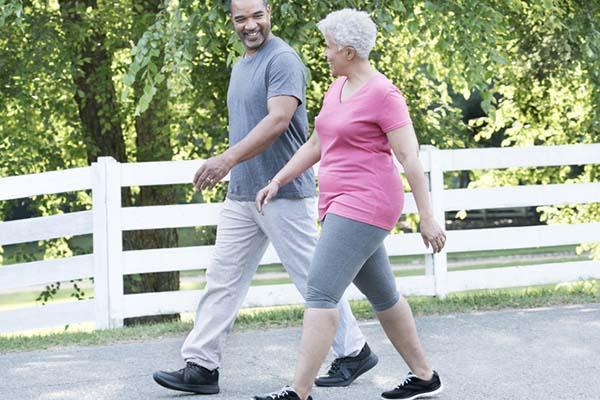
People who walk more or walk faster live longer, study finds
A 2026 study found that taking more daily steps (even at a slow pace) or walking faster (even without adding steps) was associated with a lower chance of dying early.

3 ways to build brain-boosting social connections
Most people know that as they age, they need to put effort into staying healthy by eating carefully, exercising, and getting enough sleep. But there is another element to healthy aging: keeping your mind engaged helps protect brain health, and one way to do that is by maintaining an active social life.

Deprescribing heart medications
People with cardiovascular disease often take five or more medications, some of which may be unnecessary, inappropriate, or even harmful. For some people, stopping or lowering the dose of certain medications under a doctor’s guidance (deprescribing) may be a good strategy.
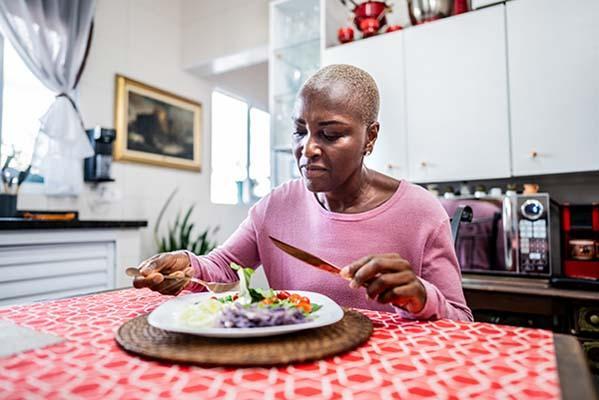
Understanding orthorexia: Have your healthy eating goals gone too far?
Orthorexia is an obsession with “pure” or “clean” eating that goes beyond healthy habits—marked by rigid food rules, anxiety around imperfect eating, and feelings of superiority. Though not a formal diagnosis, it’s treatable with help from a multidisciplinary team that includes various specialists in diet and mental health.
Oat vs. dairy milk: Nutrition, benefits, and downsides
Microplastics: A hidden health threat?
Healing after food poisoning
What is tempeh? Benefits, nutrition, and how to use it
Light exposure at night may raise risk for heart disease
Whole grains may improve several heart risk factors at once
A lumbar belt may help ease low back pain
Children of centenarians may stay healthier and live longer too, study finds
Signs of pneumonia: Sometimes vague and unexpected
The surprising link between ovarian cancer and the fallopian tubes
Free Healthbeat Signup
Get the latest in health news delivered to your inbox!
Sign Up
