

Oat vs. dairy milk: Nutrition, benefits, and downsides

Microplastics: A hidden health threat?

Healing after food poisoning

What is tempeh? Benefits, nutrition, and how to use it

Light exposure at night may raise risk for heart disease

Whole grains may improve several heart risk factors at once

A lumbar belt may help ease low back pain

Children of centenarians may stay healthier and live longer too, study finds

Signs of pneumonia: Sometimes vague and unexpected

The surprising link between ovarian cancer and the fallopian tubes
Healthy aging and longevity Archive
Articles

How to protect your health in a power outage
Staying at home during a power outage can be risky for your health. To be safe, take steps to maintain power for essential medical equipment, store medications properly, and prepare for other hazards.

Want more happiness? Try this
What could you do today to feel happier? Three strategies drawn from positive psychology, a field that aims to improve moods and lives, may help.

What exercises can help improve balance and prevent falls?
Targeted strength exercises, simple one‑leg stands, and practices like tai chi can improve balance and stability so walking feels steadier.
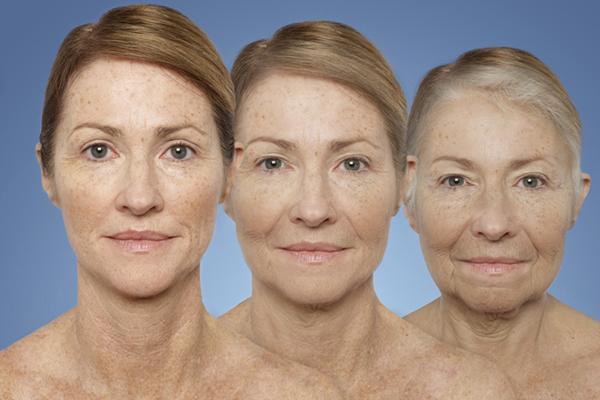
What factors speed up aging?
A variety of disparate factors can speed up people’s biological aging, which describes how well their body functions (in comparison to chronological aging). Drivers of aging include ultraviolet light, stress, smoking, obesity, radiation, and loneliness and social isolation.

The many benefits of the "dead bug"
Older adults need a strong core to stay active and healthy. While the core comprises many muscles, the four main ones lie within the abdomen: the rectus abdominis in the front; the external and internal obliques on the sides; and the deep, flat transversus abdominis wrapping your midsection. Several core exercises work many of these muscles, but the dead bug exercise can engage all of them and is safe for older adults, as it can be modified for any age or limitations. The dead bug is done by lying on the back and moving the limbs up and down to imitate a dying insect.
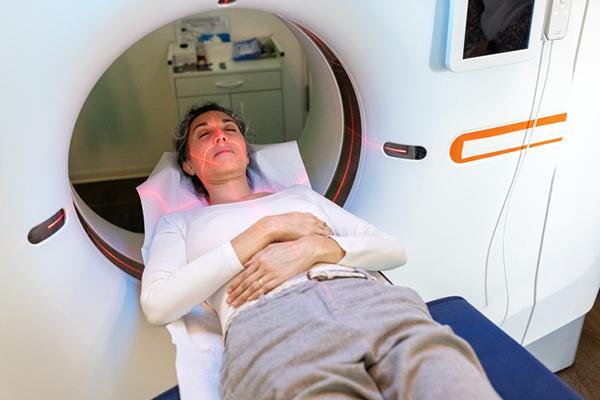
Full-body MRI screening: Reassurance or overdiagnosis?
Full-body MRI scans are marketed as a way to detect hidden cancers and other health conditions before symptoms appear. But these elective scans aren’t as precise as medically recommended MRIs and may reveal harmless abnormalities that lead to unnecessary follow-up tests.
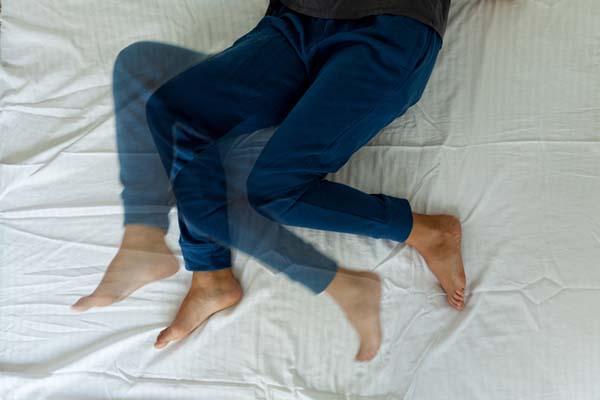
Could changing my diet ease restless legs syndrome?
Links between restless legs and iron, caffeine, and alcohol are emerging. See which dietary tweaks might be worth trying.

STIs later in life: What men need to know
It’s possible for people of any age to contract sexually transmitted infections (STIs). STIs are sometimes symptom-free, making them easy to miss, pass along, and ignore.
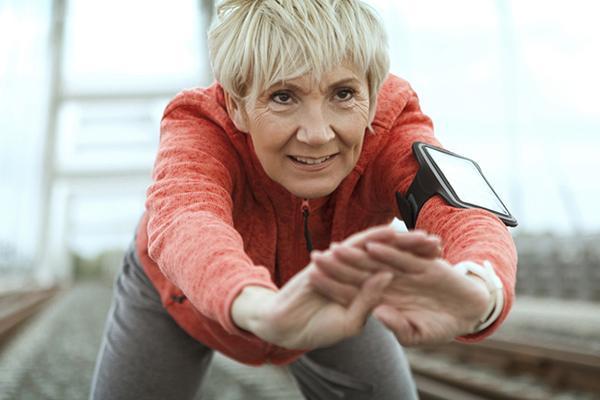
Staying active throughout middle age may lower women's risk of dying early
A 2026 study suggested that women who consistently stay active throughout middle age have a significantly lower risk of dying early than peers who are inactive.
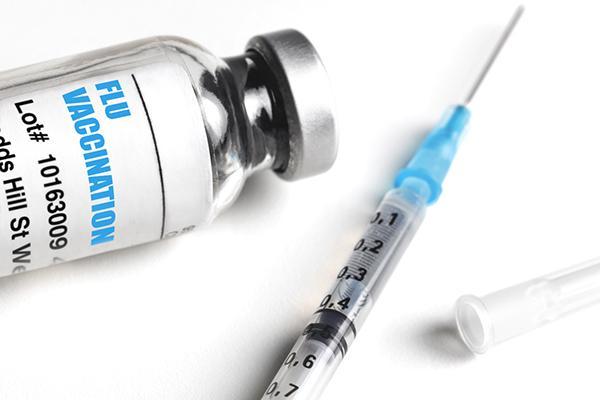
High-dose flu shot may lower risk of Alzheimer's
A 2026 study suggested that getting a high-dose flu shot may reduce older adults’ risk of developing Alzheimer’s disease compared with a standard-dose flu shot.
Oat vs. dairy milk: Nutrition, benefits, and downsides
Microplastics: A hidden health threat?
Healing after food poisoning
What is tempeh? Benefits, nutrition, and how to use it
Light exposure at night may raise risk for heart disease
Whole grains may improve several heart risk factors at once
A lumbar belt may help ease low back pain
Children of centenarians may stay healthier and live longer too, study finds
Signs of pneumonia: Sometimes vague and unexpected
The surprising link between ovarian cancer and the fallopian tubes
Free Healthbeat Signup
Get the latest in health news delivered to your inbox!
Sign Up
