

Oat vs. dairy milk: Nutrition, benefits, and downsides

Microplastics: A hidden health threat?

Healing after food poisoning

What is tempeh? Benefits, nutrition, and how to use it

Light exposure at night may raise risk for heart disease

Whole grains may improve several heart risk factors at once

A lumbar belt may help ease low back pain

Children of centenarians may stay healthier and live longer too, study finds

Signs of pneumonia: Sometimes vague and unexpected

The surprising link between ovarian cancer and the fallopian tubes
Healthy aging and longevity Archive
Articles
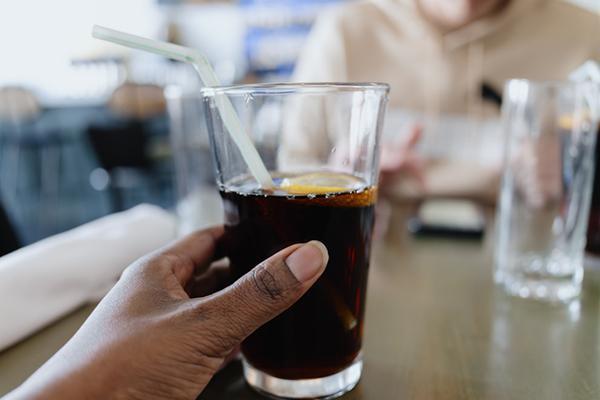
Do carbonated drinks weaken bones or worsen osteoporosis?
Research hints heavy soda consumption may weaken bones, especially in women. See what studies show, why the link is unclear, and steps you can take to protect bone health.

A new angle on aging in place: The virtual village
A virtual village is a group of older adults who live in their own homes, near each other, and agree to help each other. They form a self-governing nonprofit organization and volunteer to provide village services such as transportation, friendly visits, errands, exercise and social events, a dedicated hotline, and referrals to vetted services and suppliers. The village won't replace an assisted living facility or nursing home, but it may help delay the transition.

Caregiver nation: New tools to manage a family member's health as well as your own
There are all kinds of free educational opportunities designed to help family caregivers jump into their roles and better manage their own health. Family caregiver education is available in classes or workshops you attend in person. The Internet offers how-to articles, videos, podcasts, books, and guides for caregivers. Topics range from the basics of caregiving to the more nuanced challenges, such as communicating with a person with dementia. Many classes focus on how to cope as a caregiver and maintain one's health and wellness.

Bridging the gap: Dementia communication strategies
Communicating with someone with dementia can be tricky, since their ability to understand others and express themselves fluctuates and declines. Certain communication strategies can help smooth interactions between caregivers and dementia patients. They include being an active listener, avoiding confrontation, agreeing with the patient's reality, removing distractions, using shorter sentences and smaller words, asking yes-or-no questions, using written lists and schedules, and incorporating touch.


When should you hire in-home help or health aides?
Most people want to live at home for as long as possible as they age, and managing this successfully may mean hiring outside help. Considering this step raises many questions, and answering them honestly will help guide decisions about when and how to proceed.

Core exercises: Diagonal opposite arm and leg raise
Harvard fitness expert Michele Stanten takes you through a simple exercise to tighten your abs, strengthen your back, and improve your balance.


Are you healthy enough to age in place?
There are many health-related requirements for living independently in older age. For example, one needs sharp thinking skills in order to manage medications, pay bills, choose clothes for the day, and select and buy groceries; and one needs strength, balance, and flexibility in order to get up from a chair, cook, or clean. People with weakening aspects of health should talk to a doctor for potential solutions to improve or cope with health challenges in order to continue living independently.

Self-care for the caregiver
The challenges of caregiving can easily lead to burnout, so it's extremely important for caregivers to pay attention to their own needs and make sure they are caring for themselves, physically and emotionally.
Oat vs. dairy milk: Nutrition, benefits, and downsides
Microplastics: A hidden health threat?
Healing after food poisoning
What is tempeh? Benefits, nutrition, and how to use it
Light exposure at night may raise risk for heart disease
Whole grains may improve several heart risk factors at once
A lumbar belt may help ease low back pain
Children of centenarians may stay healthier and live longer too, study finds
Signs of pneumonia: Sometimes vague and unexpected
The surprising link between ovarian cancer and the fallopian tubes
Free Healthbeat Signup
Get the latest in health news delivered to your inbox!
Sign Up
