

Oat vs. dairy milk: Nutrition, benefits, and downsides

Microplastics: A hidden health threat?

Healing after food poisoning

What is tempeh? Benefits, nutrition, and how to use it

Light exposure at night may raise risk for heart disease

Whole grains may improve several heart risk factors at once

A lumbar belt may help ease low back pain

Children of centenarians may stay healthier and live longer too, study finds

Signs of pneumonia: Sometimes vague and unexpected

The surprising link between ovarian cancer and the fallopian tubes
Healthy aging and longevity Archive
Articles

Extreme heat: Staying safe if you have health issues
Climate change has made life-threatening heat waves increasingly common across the globe. Anyone with health issues will have a more difficult time in extreme heat, including older people and people with diabetes, heart disease, asthma, and other conditions. Be prepared by knowing how to identify and treat heat-related illness, and how to plan for hot days.

Cardiac amyloidosis: Better detection and new treatments
Cardiac amyloidosis is a rare heart condition that causes the walls of the heart to become thick, stiff, and unable to pump normally. Three FDA-approved medications for the most common form, ATTR-CM, slow disease progression and extend life.

Should I take a statin if my calcium score is low?
People who have a low coronary artery calcium score (between 1 and 99) have signs of early heart disease. Current guidelines recommend taking a statin, with a goal of lowering LDL cholesterol by at least 30%.

Should you schedule your exercise based on your circadian rhythm?
A small, short-term 2026 study suggests that people who schedule their exercise to align with their chronotype—the body’s natural sleep and wake cycle—may lower their heart risk factors more than those who exercise at times that don’t align with their chronotype.

When should a high TSH lead to a higher thyroid hormone dose?
A rise in thyroid-stimulating hormone after thyroid removal can have several explanations, from medication timing to changes in absorption.

Video: Moving through the stages of sleep
Sleep comes in two different forms: REM (dreaming) and non‑REM (quiet) sleep. In quiet sleep, your brain shifts from chaotic awake activity into calm, rhythmic waves as if a switch has been flipped. In a healthy night, you glide through three deepening stages of non‑REM (N1, N2, N3 slow‑wave sleep) before diving into vivid REM dreams.

Can MRSA return after treatment?
A MRSA infection may be treatable, yet the bacteria can sometimes remain on the body and return. Find out what recovery and prevention involve.
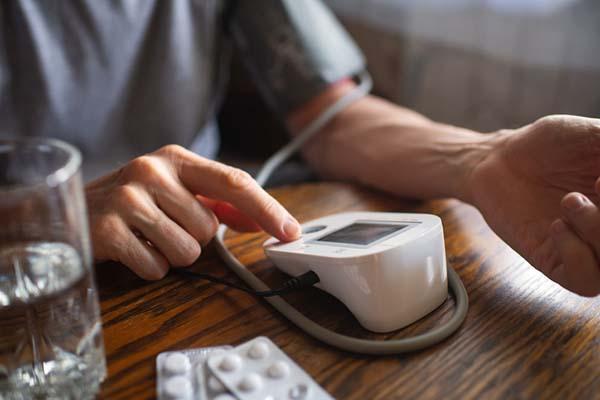
When should you take your blood pressure medicine for the best effect?
Timing your blood pressure pills can impact control and side effects. Discover how morning vs. bedtime dosing may affect your readings.

Many older adults get health information from self-defined experts online
A 2026 national survey suggested that half of all American adults under 50—and 35% of older adults—get health information from social media influencers or podcasters, the minority of whom are health care professionals. People should be skeptical of any advice from these sources.
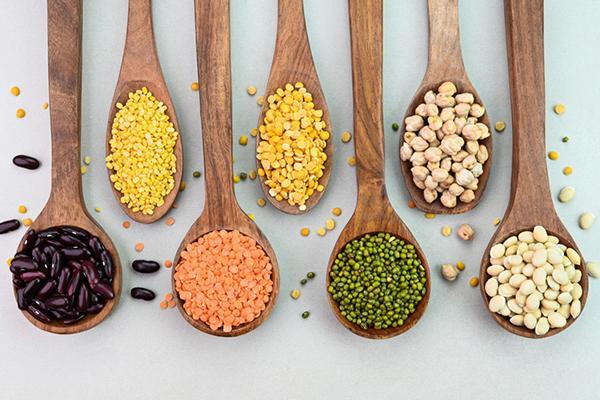
Eating more soy and other legumes might ward off high blood pressure
A 2026 research review and analysis suggested that consuming more soy products and other legumes was associated with a lower risk of developing high blood pressure.
Oat vs. dairy milk: Nutrition, benefits, and downsides
Microplastics: A hidden health threat?
Healing after food poisoning
What is tempeh? Benefits, nutrition, and how to use it
Light exposure at night may raise risk for heart disease
Whole grains may improve several heart risk factors at once
A lumbar belt may help ease low back pain
Children of centenarians may stay healthier and live longer too, study finds
Signs of pneumonia: Sometimes vague and unexpected
The surprising link between ovarian cancer and the fallopian tubes
Free Healthbeat Signup
Get the latest in health news delivered to your inbox!
Sign Up
