

Oat vs. dairy milk: Nutrition, benefits, and downsides

Microplastics: A hidden health threat?

Healing after food poisoning

What is tempeh? Benefits, nutrition, and how to use it

Light exposure at night may raise risk for heart disease

Whole grains may improve several heart risk factors at once

A lumbar belt may help ease low back pain

Children of centenarians may stay healthier and live longer too, study finds

Signs of pneumonia: Sometimes vague and unexpected

The surprising link between ovarian cancer and the fallopian tubes
Healthy aging and longevity Archive
Articles
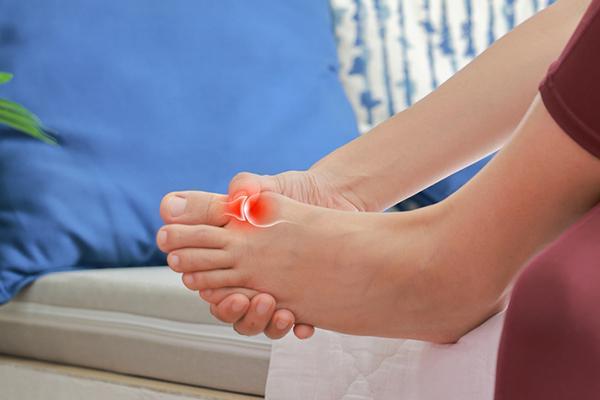
Gout medication to stop flare-ups
Gout is a form of arthritis caused by too much uric acid, which leaves the bloodstream and settles in joints. Uric acid crystals can form in joints, causing redness, swelling and pain—a gout flare. Drugs taken over a long term can lower uric acid levels and prevent flares.
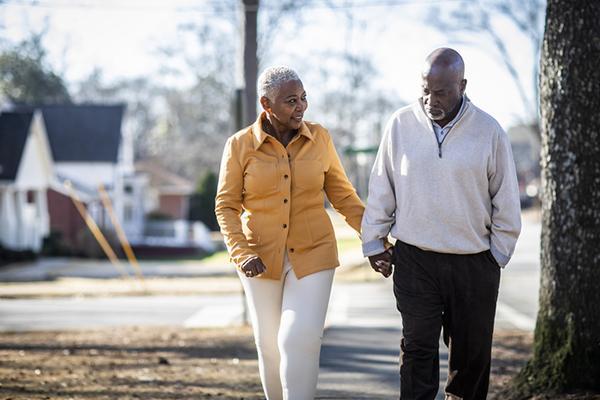
Increasing daily steps may boost surgical recovery
After most types of surgery, early and increased walking appears to support a smoother recovery. A 2026 study found that increased daily steps above pre-surgery levels were linked with shorter hospital stays, lower complication rates, and fewer readmissions.
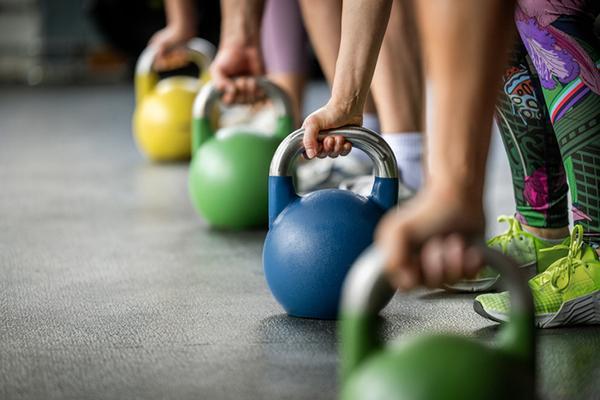
Kettlebell exercises you haven't tried yet
Beyond familiar kettlebell exercises such as kettlebell swings, many lesser-known kettlebell moves can create a full-body workout. Examples include around-the-world passes, bottoms-up kettlebell carries, and kettlebell deadlifts.

Protect yourself from falls outside the home
Many strategies can help people avoid falls in public places. For example, people can wear shoes with nonslip treads in stores and office buildings, use a rollator for stability in crowded areas such as airports or shopping malls, hold handrails on public staircases (or avoid them), avoid parking too close to vehicles in parking lots, or use the handicap stall in public bathrooms. Another important strategy is regularly strengthening leg and core muscles and practicing balance exercises (such as standing on one leg).
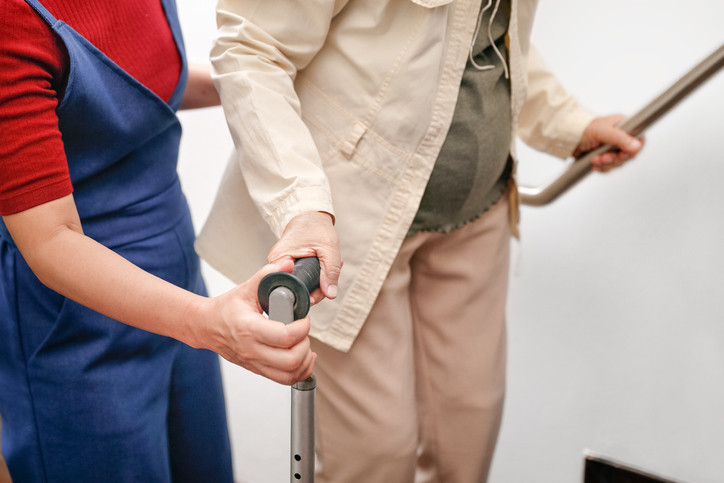
Preventing falls in older adults: Multiple strategies are better
Falls among older adults are on the rise, but most are preventable. To do this, interventions must target the multiple factors that contribute to falls, taking steps to minimize them or prevent them entirely.

Ways to maximize your energy
People’s energy levels typically decrease later in life as a result of aging, illness, or other factors. Fortunately, a healthier lifestyle can boost energy. That involves eating a diet low in added sugars and processed foods, getting seven to nine hours of sleep each night, managing stress, getting lots of aerobic exercise, and strengthening the muscles. Using physical energy frugally is another useful strategy. For example, it helps to perform activities at a slow, steady pace instead of a fast pace; to break activities into small tasks instead of one large job; and to rest between tasks.
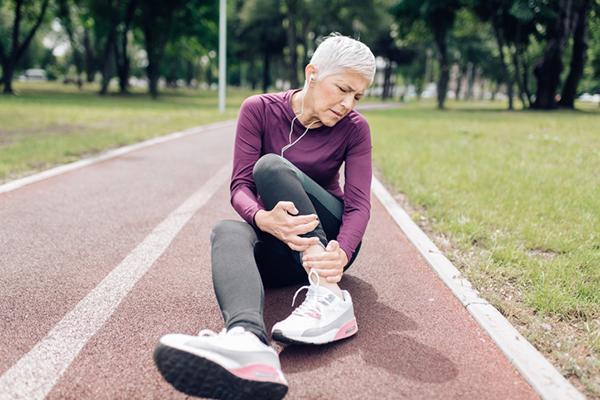
What is a high ankle sprain?
A high ankle sprain is a type of injury to the lower leg. It commonly occurs when there is a sudden twisting movement of the foot away from the body that tears the ligaments attached to the lower leg bones, above the ankle joint.
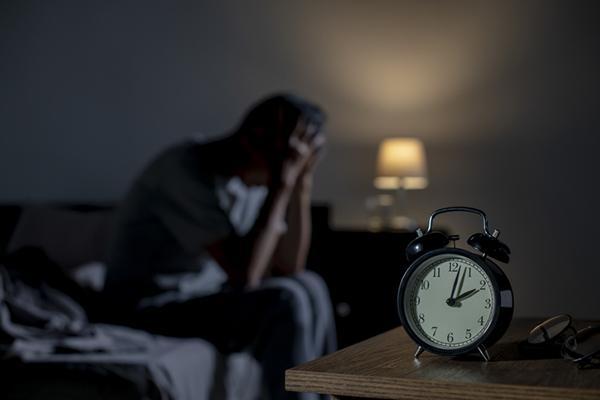
Insufficient sleep linked to higher risk of atrial fibrillation
Insomnia is linked to an increased risk of atrial fibrillation (afib), a heart rhythm disorder, according to a 2026 study. Insufficient sleep may trigger physiological and hormonal changes that may leave people more susceptible to afib.

Holiday arguments brewing? Here's how to defuse them
The holidays are supposed to be filled with love, laughter, and good cheer. Unfortunately, joyous celebration often deteriorates into discord when family and friends gather during the season. But you don’t have to get drawn into arguments if you plan ahead and stay alert for potential triggers.
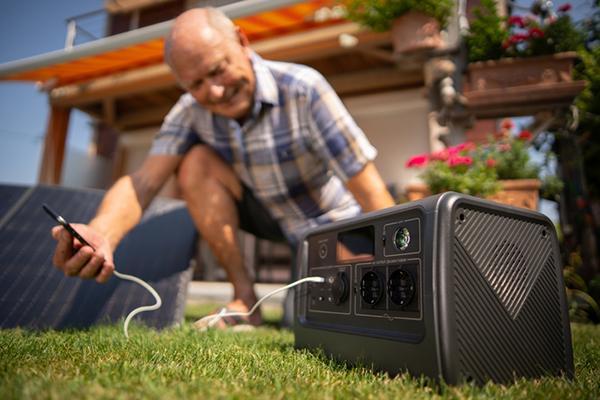
How to protect your health in a power outage
Staying at home during a power outage can be risky for your health. To be safe, take steps to maintain power for essential medical equipment, store medications properly, and prepare for other hazards.
Oat vs. dairy milk: Nutrition, benefits, and downsides
Microplastics: A hidden health threat?
Healing after food poisoning
What is tempeh? Benefits, nutrition, and how to use it
Light exposure at night may raise risk for heart disease
Whole grains may improve several heart risk factors at once
A lumbar belt may help ease low back pain
Children of centenarians may stay healthier and live longer too, study finds
Signs of pneumonia: Sometimes vague and unexpected
The surprising link between ovarian cancer and the fallopian tubes
Free Healthbeat Signup
Get the latest in health news delivered to your inbox!
Sign Up
