

Oat vs. dairy milk: Nutrition, benefits, and downsides

Microplastics: A hidden health threat?

Healing after food poisoning

What is tempeh? Benefits, nutrition, and how to use it

Light exposure at night may raise risk for heart disease

Whole grains may improve several heart risk factors at once

A lumbar belt may help ease low back pain

Children of centenarians may stay healthier and live longer too, study finds

Signs of pneumonia: Sometimes vague and unexpected

The surprising link between ovarian cancer and the fallopian tubes
Healthy aging and longevity Archive
Articles
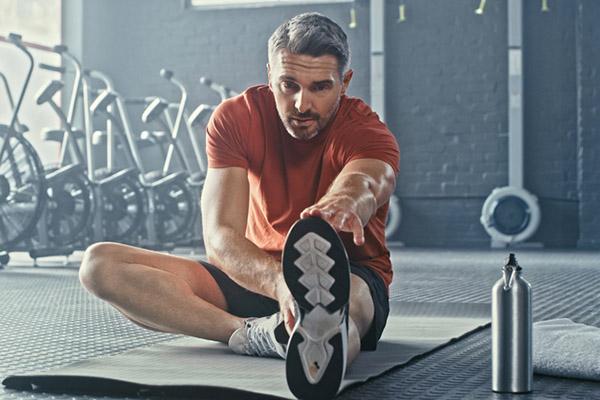
The best stretching routines for men
Men may be less flexible than women, but stretching offers important benefits for everyone, especially as they age. Stretching may help keep muscles limber, improve balance and posture, prevent injuries, and even benefit sports performance.

Play helps children practice key skills and build their strengths
As devices become more pervasive, and as many children become more scheduled with lessons and organized activities, making time for device-free play can be a challenge. Here's why it's important prioritize free play in a child's life.

A muscle-building obsession in boys: What to know and do
Muscle dysmorphia is a preoccupation with a muscular and lean physique that is more pervasive in boys. Learn the signs of body dysmorphia as well as ways to encourage positive body image.

3 ways to create community and counter loneliness
Loneliness boosts risk for many health problems, and can even contribute to an early death. Many people find it hard to reach out to make new friends, but there are strategies that can help.

Why do I shrink in height as I age?
Around age 40, most people lose some height, and the decline accelerates with age. This "shrinkage" can be slowed by preventing osteoporosis and improving posture. Getting enough calcium and vitamin D can help increase bone density, and exercises for the back and abdominal muscles can help with posture.

Top 4 reasons why you're not sleeping through the night
Interrupted sleep may be caused by age; lifestyle habits, such as drinking alcohol too close to bedtime; medication side effects; or an underlying condition.
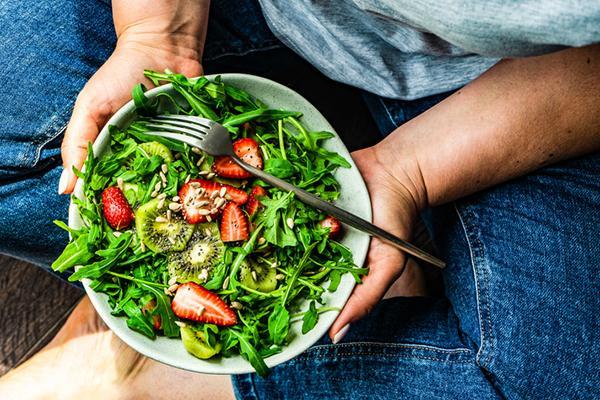
MIND diet may slow age-related brain changes
A long-running study found that closely following the MIND Diet was linked with significantly slower age-related brain changes, including 20% less shrinkage in grey matter—equivalent to slowing brain aging by 2.5 years. However, it’s not known if these changes translate to better brain function.

Building better muscle
Men tend to lose as much as 3% to 5% of their muscle mass per decade after age 30, and the muscle-building hormone testosterone gradually declines after age 40. This makes it harder for men to build and maintain muscle as they age. One solution is a well-designed weight training program. Workouts should focus on all major muscles, but men should pay extra attention to leg muscles, which they rely on more for everyday movements as they age.

Eating more fish may help prevent macular degeneration
A study pooling data from more than 180,000 adults found that consuming more omega-3 fats (as found in fatty fish) was linked to 18% lower odds of age-related macular degeneration (AMD). Regularly eating omega-3-rich seafood may be a reasonable strategy for reducing the risk of AMD.

Seven hours of sleep linked to better blood sugar regulation
A 2026 study found that sleeping 7.3 hours on weeknights may be associated with better blood sugar regulation by improving insulin sensitivity—how efficiently cells respond to insulin and absorb sugar from the bloodstream.
Oat vs. dairy milk: Nutrition, benefits, and downsides
Microplastics: A hidden health threat?
Healing after food poisoning
What is tempeh? Benefits, nutrition, and how to use it
Light exposure at night may raise risk for heart disease
Whole grains may improve several heart risk factors at once
A lumbar belt may help ease low back pain
Children of centenarians may stay healthier and live longer too, study finds
Signs of pneumonia: Sometimes vague and unexpected
The surprising link between ovarian cancer and the fallopian tubes
Free Healthbeat Signup
Get the latest in health news delivered to your inbox!
Sign Up
