

Oat vs. dairy milk: Nutrition, benefits, and downsides

Microplastics: A hidden health threat?

Healing after food poisoning

What is tempeh? Benefits, nutrition, and how to use it

Light exposure at night may raise risk for heart disease

Whole grains may improve several heart risk factors at once

A lumbar belt may help ease low back pain

Children of centenarians may stay healthier and live longer too, study finds

Signs of pneumonia: Sometimes vague and unexpected

The surprising link between ovarian cancer and the fallopian tubes
Healthy aging and longevity Archive
Articles
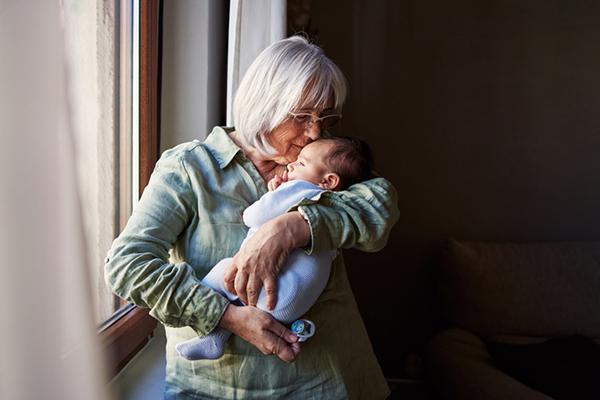
Helping with grandchildren may stave off cognitive decline
A 2026 study suggested that helping care for grandchildren can offer cognitive benefits, helping older adults maintain stronger memory and language skills. Grandmothers who helped with childcare-related tasks also showed less overall cognitive decline over time than non-caregiving peers.
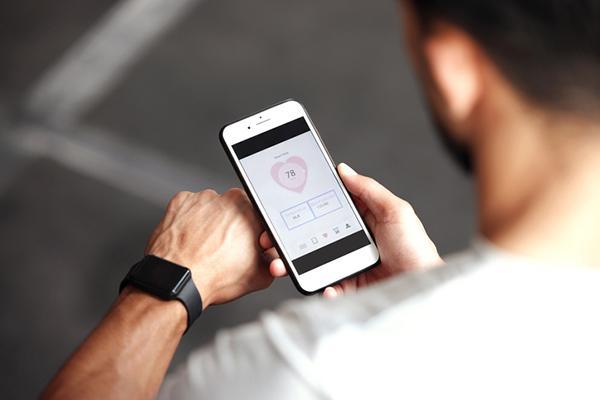
How can technology help people manage their health between — and during — doctor visits?
Data from apps or wearable devices can help people spot patterns, track changes, and notice potential problems earlier—information that’s valuable both between and during clinician appointments.
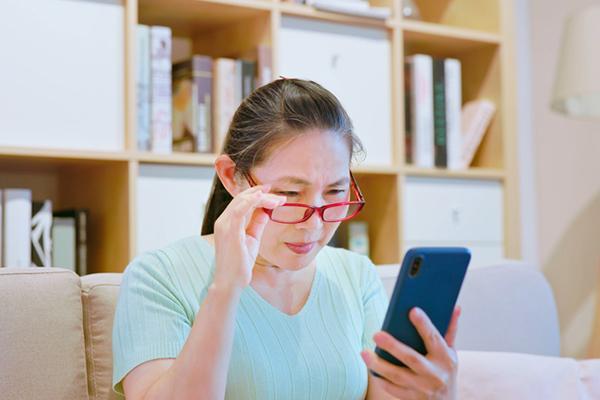
Tips for adjusting to bifocals and other specialty lenses
Adjusting to bifocals, trifocals, or progressive lenses can be challenging. Unlike traditional glasses, these versions include two or more vision zones. Because people use different parts of the lens for different tasks, objects can seem slightly distorted when they move their eyes.
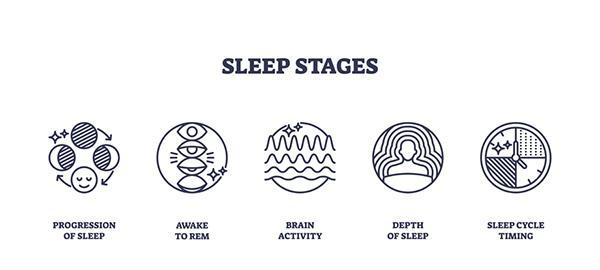
What is "sleep architecture?"
Sleep architecture is the pattern and sequence of sleep cycles and stages. People cycle through four to six periods of light and deep sleep each night. Aging, stress, illness, and alcohol consumption can influence people’s sleep architecture.
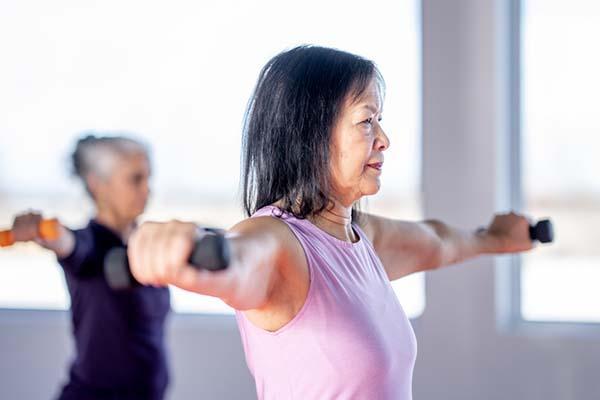
Stronger muscles after age 60 linked to longevity
A 2026 study of over 5,400 women ages 63 and older found that stronger grip strength and faster chair stand times were linked to lower risk of death over eight years. Risk fell by 15% for each 7-kilogram increase in grip strength and by 9% for each 6-second improvement in chair stand time.




Core Exercises: Knee Tuck on Stability Ball
Harvard fitness expert Michele Stanten takes you through a simple exercise to tighten your abs, strengthen your back, and improve your balance.
Oat vs. dairy milk: Nutrition, benefits, and downsides
Microplastics: A hidden health threat?
Healing after food poisoning
What is tempeh? Benefits, nutrition, and how to use it
Light exposure at night may raise risk for heart disease
Whole grains may improve several heart risk factors at once
A lumbar belt may help ease low back pain
Children of centenarians may stay healthier and live longer too, study finds
Signs of pneumonia: Sometimes vague and unexpected
The surprising link between ovarian cancer and the fallopian tubes
Free Healthbeat Signup
Get the latest in health news delivered to your inbox!
Sign Up
