

Oat vs. dairy milk: Nutrition, benefits, and downsides

Microplastics: A hidden health threat?

Healing after food poisoning

What is tempeh? Benefits, nutrition, and how to use it

Light exposure at night may raise risk for heart disease

Whole grains may improve several heart risk factors at once

A lumbar belt may help ease low back pain

Children of centenarians may stay healthier and live longer too, study finds

Signs of pneumonia: Sometimes vague and unexpected

The surprising link between ovarian cancer and the fallopian tubes
Healthy aging and longevity Archive
Articles

Understanding food noise — and how to turn down the volume
Food noise - persistent, distressing thoughts about food - can interfere with your daily life, but there's a lot you can do to manage it. Strategies include eating regular balanced meals, practicing mindful eating, managing stress and sleep, and seeking professional help if needed.

Remedies for motion sickness: What works?
Motion sickness is tricky to treat. Gadgets such as wristbands and special glasses may help, but their reported benefits may be due to the placebo effect. Several drugs, including a new one that curbs vomiting, are available.

Foods that fight inflammation
Pro-inflammatory foods include fried foods, sodas, refined carbohydrates, and red meat. Green vegetables, berries, whole grains, and fatty fish are thought to combat the inflammatory process.



Beyond protein: 6 other nutrients that help prevent muscle loss
While protein is essential to help prevent muscle loss as you age, other nutrients matter, too. Carbohydrates, magnesium, iron, omega-3 fats, and vitamin D work together to support muscle function and prevent muscle breakdown. Getting enough water is also essential for muscle performance and function.

Even small changes in physical activity may boost longevity
A large 2026 study estimated that adding just five minutes a day of moderate to vigorous activity might prevent up to 10% of deaths during an eight-year period. Sitting for 30 minutes or less might prevent up to 7% of deaths.
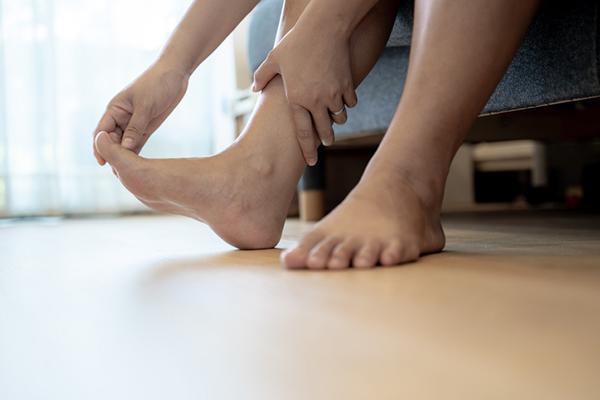
Why do my fingers and ankles swell by the end of the day?
Edema is swelling caused by fluid trapped in body tissues. It can occur in anyone, but it’s more common in older adults. A variety of factors contribute to mild edema, including weakened valves in veins, gravity, inactivity, arthritis, and certain medications.

Cosmetic injections more likely to produce side effects in people with certain conditions
A 2025 study suggested that people with certain chronic conditions were more likely to experience side effects after cosmetic injections with botulinum toxin (Botox, Dysport, Xeomin).

What is CBT-i?
Cognitive behavioral therapy for insomnia (CBT-i) identifies and challenges thoughts about sleep that make it more difficult, eradicates bedroom activities other than sleep and sex, limits the time spent in bed to increase the drive to sleep, and teaches relaxation techniques.
Oat vs. dairy milk: Nutrition, benefits, and downsides
Microplastics: A hidden health threat?
Healing after food poisoning
What is tempeh? Benefits, nutrition, and how to use it
Light exposure at night may raise risk for heart disease
Whole grains may improve several heart risk factors at once
A lumbar belt may help ease low back pain
Children of centenarians may stay healthier and live longer too, study finds
Signs of pneumonia: Sometimes vague and unexpected
The surprising link between ovarian cancer and the fallopian tubes
Free Healthbeat Signup
Get the latest in health news delivered to your inbox!
Sign Up
