

Oat vs. dairy milk: Nutrition, benefits, and downsides

Microplastics: A hidden health threat?

Healing after food poisoning

What is tempeh? Benefits, nutrition, and how to use it

Light exposure at night may raise risk for heart disease

Whole grains may improve several heart risk factors at once

A lumbar belt may help ease low back pain

Children of centenarians may stay healthier and live longer too, study finds

Signs of pneumonia: Sometimes vague and unexpected

The surprising link between ovarian cancer and the fallopian tubes
Healthy aging and longevity Archive
Articles

Is there a link between type 2 diabetes and sleep apnea?
Type 2 diabetes and sleep apnea often occur together, especially in people with extra weight. Learn how one condition may influence the other.

Why hasn't my increased activity led to weight loss?
Despite being on your feet all day, the scale hasn't budged. Learn what might be canceling out your extra activity.

What can I do to lose belly fat?
Belly fat that won't budge can be more than a cosmetic concern. Learn how to spot risky fat around your waist and key habits to shrink it.
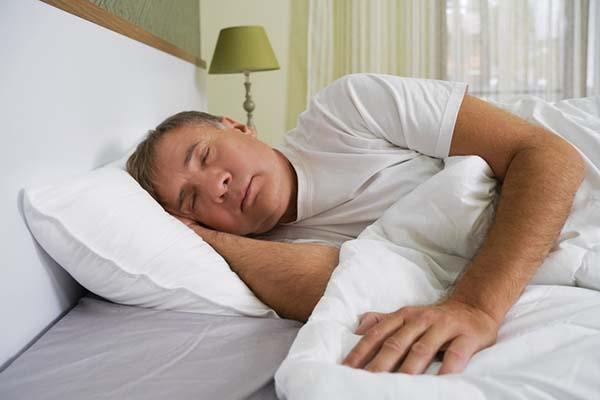
Can alcohol before bed help you sleep?
A drink before bed may seem like a good idea, but its hidden effects on your brain, heart, and breathing can ruin your night's sleep.

Can frequent blood donation cause iron deficiency anemia?
Regular blood donations can sometimes lead to low iron levels and anemia. Learn why it happens, who's at risk, and when to pause giving blood.

How can I prevent spring allergies?
Last year's spring allergies were miserable. Learn when to begin antihistamines and nasal sprays so symptoms are blunted before pollen peaks.
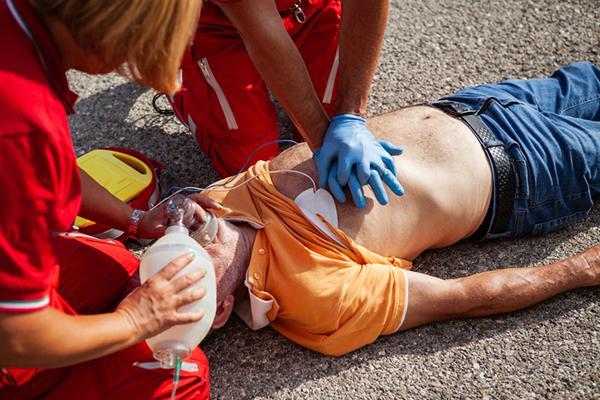
CPR on TV may be misleading
Television portrayals of hands-only cardiopulmonary resuscitation (CPR) aren't always accurate, according to a 2026 analysis. Inaccurate depictions involved the age of CPR recipients, how CPR was done and the location of where it was performed.
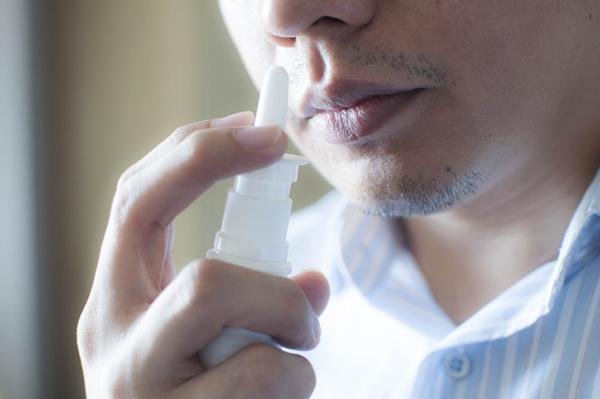
FDA approves nasal spray to treat rapid heart rhythm
In late 2025, the FDA approved a nasal spray to treat a sporadic, rapid heart rhythm called paroxysmal supraventricular tachycardia (PSVT). The self-administered spray, called etripamil (Cardamyst), may help people avoid emergency room treatment for PSVT.

Emojis in electronic health records could be confusing
Although rare, emojis are now beginning to appear in electronic medical records sent to patients. People who are unsure about the meaning of any such messages should ask for clarification.
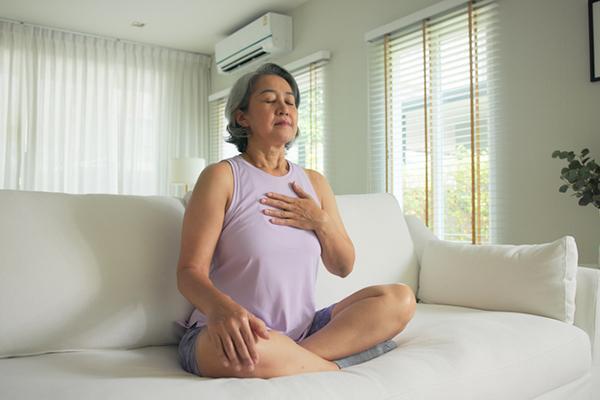
Breathing exercises to lower your blood pressure
For people with high blood pressure, practicing slow, deep breathing for 15 minutes a day can potentially lower blood pressure. Helpful techniques include 4-7-8 breathing, box breathing, and belly breathing. Devices to guide breathing exercises may also be useful.
Oat vs. dairy milk: Nutrition, benefits, and downsides
Microplastics: A hidden health threat?
Healing after food poisoning
What is tempeh? Benefits, nutrition, and how to use it
Light exposure at night may raise risk for heart disease
Whole grains may improve several heart risk factors at once
A lumbar belt may help ease low back pain
Children of centenarians may stay healthier and live longer too, study finds
Signs of pneumonia: Sometimes vague and unexpected
The surprising link between ovarian cancer and the fallopian tubes
Free Healthbeat Signup
Get the latest in health news delivered to your inbox!
Sign Up
