

Oat vs. dairy milk: Nutrition, benefits, and downsides

Microplastics: A hidden health threat?

Healing after food poisoning

What is tempeh? Benefits, nutrition, and how to use it

Light exposure at night may raise risk for heart disease

Whole grains may improve several heart risk factors at once

A lumbar belt may help ease low back pain

Children of centenarians may stay healthier and live longer too, study finds

Signs of pneumonia: Sometimes vague and unexpected

The surprising link between ovarian cancer and the fallopian tubes
Healthy aging and longevity Archive
Articles
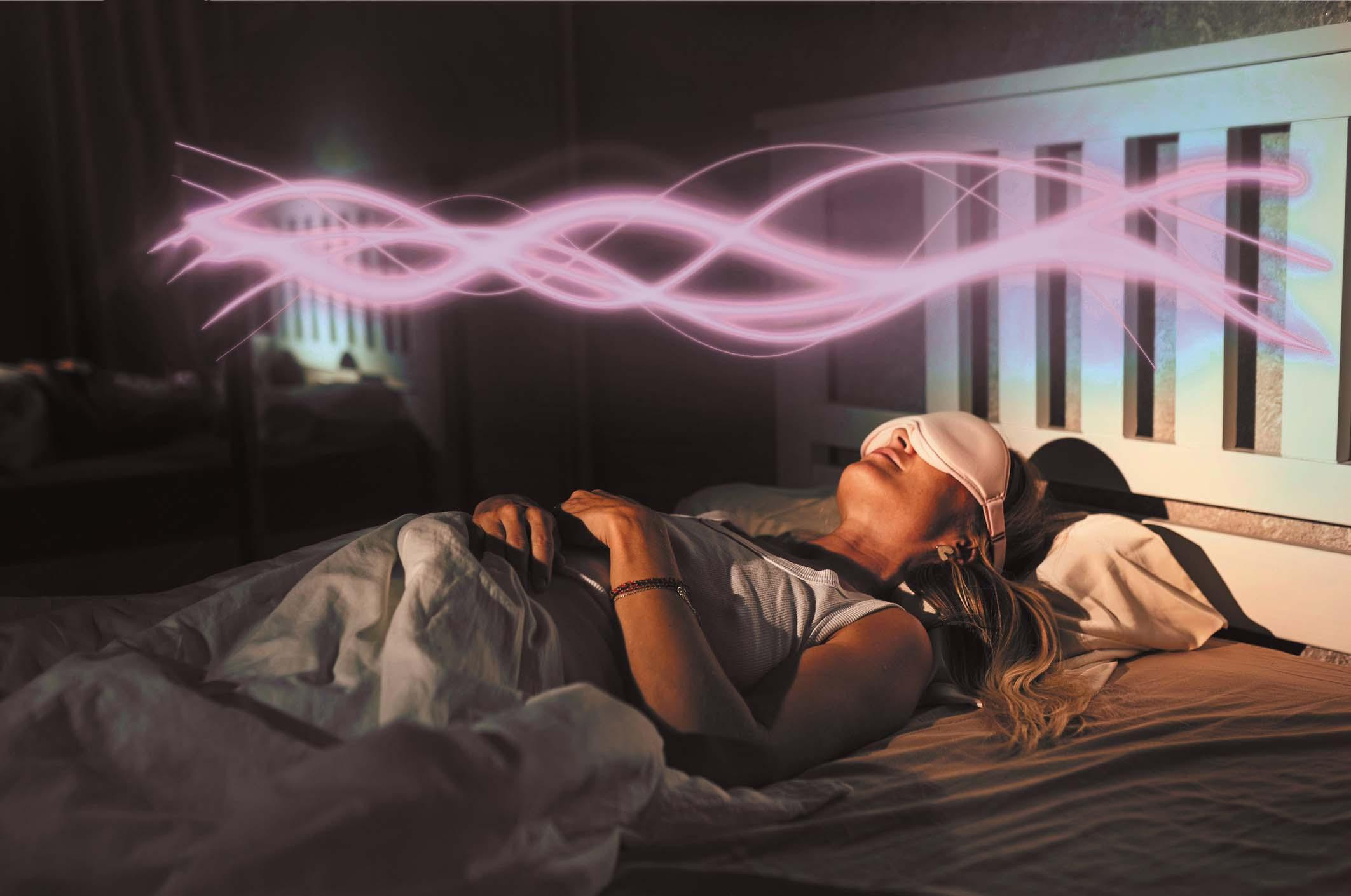
How noise "colors" might help - or even hurt - your sleep
Many people turn to gentle background sounds - like a fan or falling rain - to help them drift off, but not all noise "colors" affect sleep the same way. Research on white, pink, and brown noise is mixed, and experts still emphasize good overall sleep habits first.
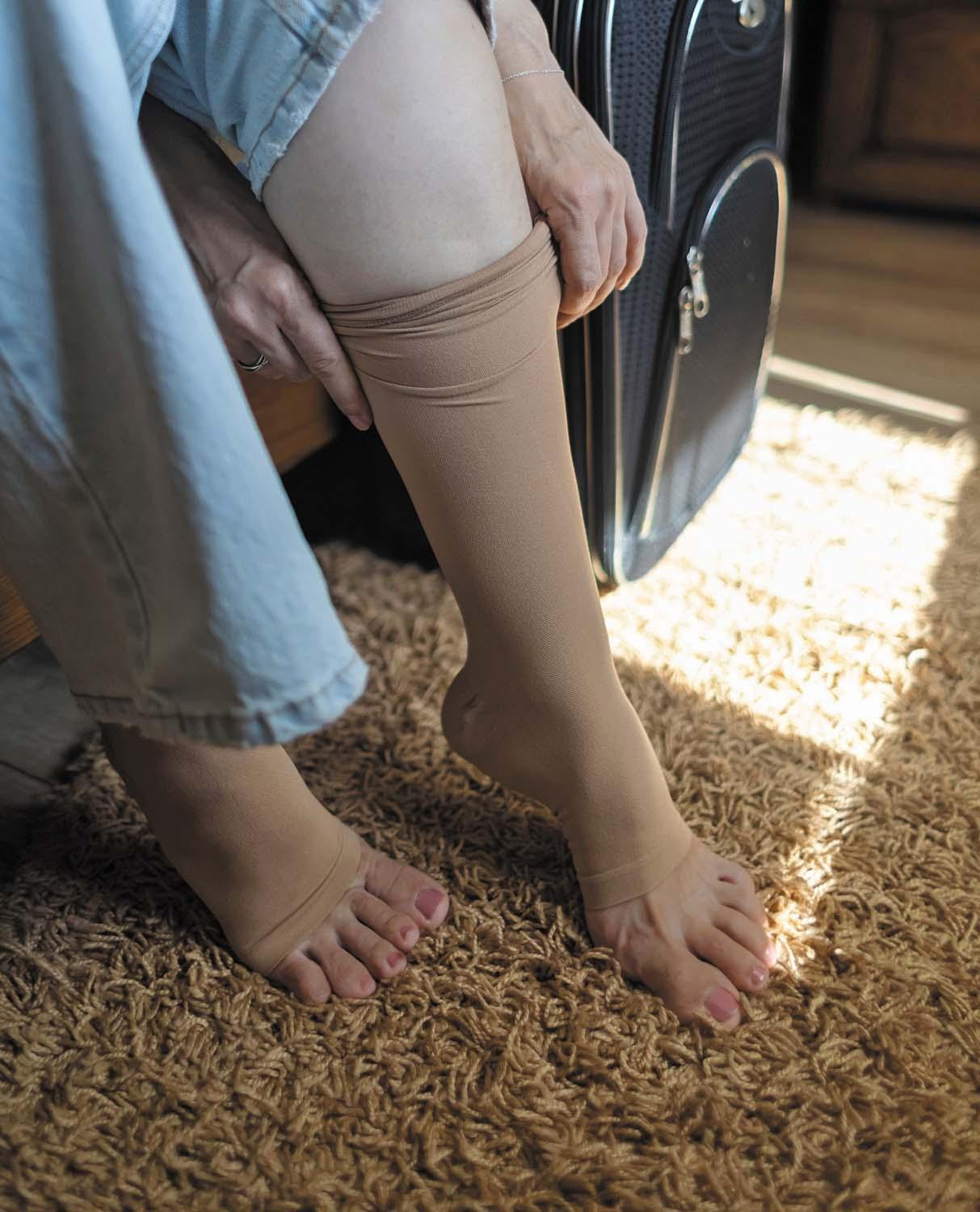
Could you benefit from wearing compression socks?
Compression socks are snug, supportive stockings that can help people who struggle with leg swelling or circulation issues. They're commonly used for certain vein problems or clot risks, and a doctor can help decide who needs them and how to use them.
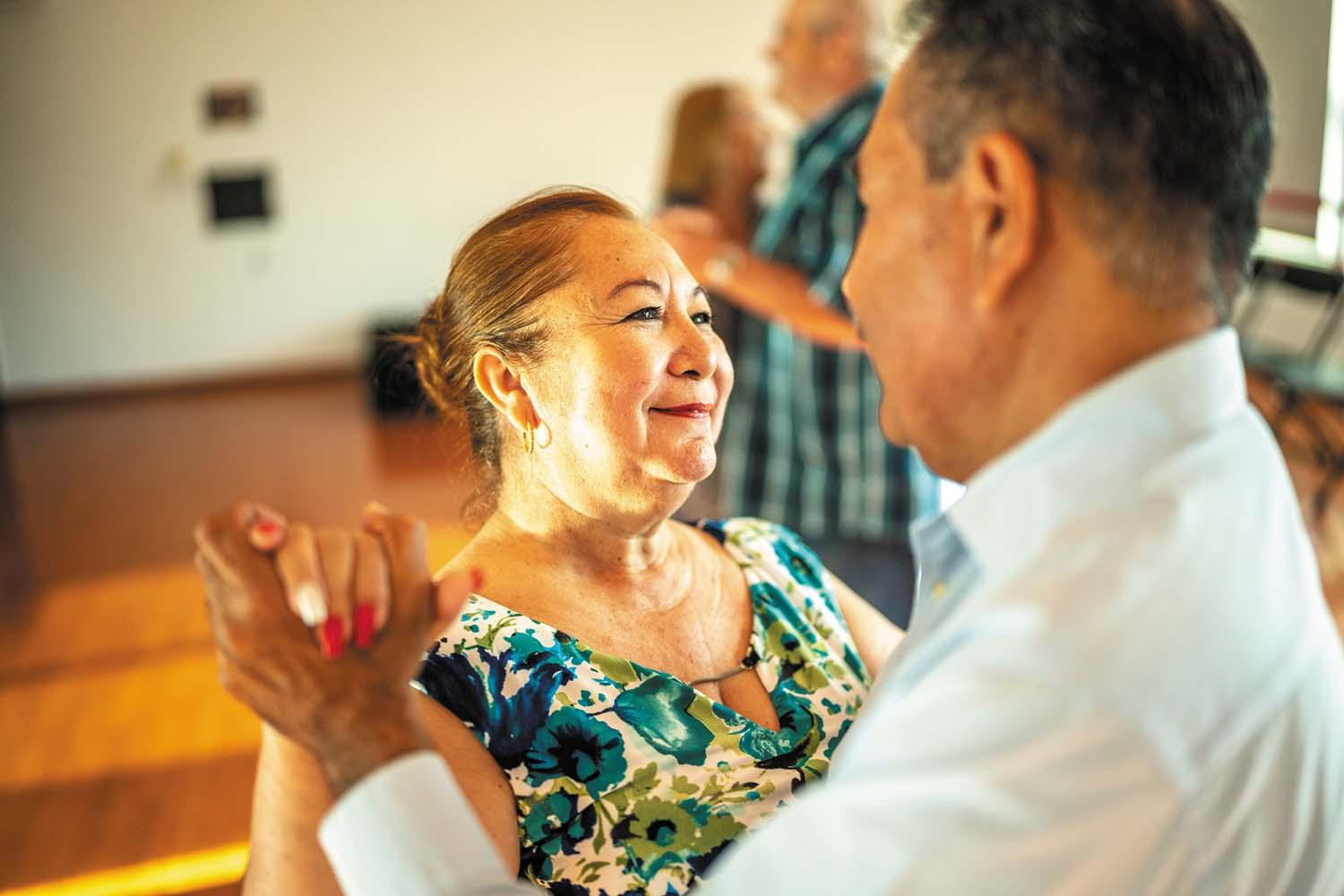
An essential way to combat loneliness
Loneliness is widespread and harms both physical and mental health, but nurturing existing relationships is a powerful antidote. By reconnecting with friends and family, meeting regularly, minimizing distractions, and staying in touch across distance, it's possible to more connected and help protect long-term health.

What can I do about poor night vision?
Poor night vision could be caused by an outdated eyeglass prescription or an eye condition, such as dry eye, cataracts, or age-related macular degeneration. People should see an eye care specialist for a complete eye exam to check for these issues.
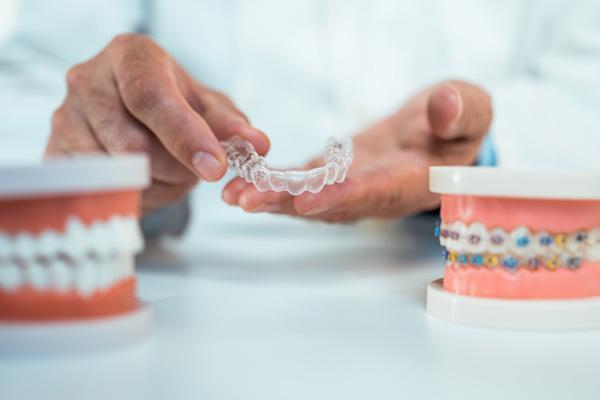
Want to prevent shifting teeth? Maybe you need retainers
Retainers have benefits beyond keeping a nice smile after braces, aligners, or other orthodontic treatment. The appliances help maintain teeth alignment, protecting them from extra wear and tear. Several types of retainers can help. The choice depends on a person's needs and habits.
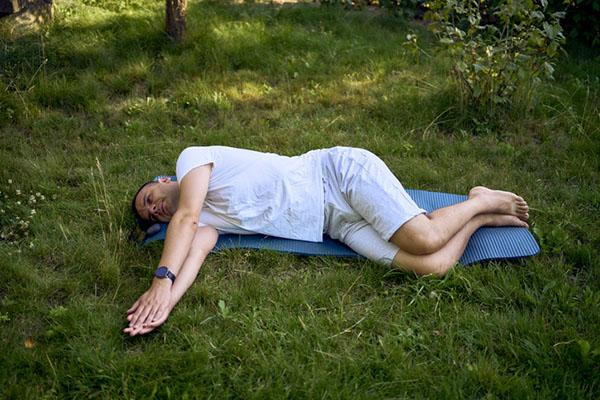
What are somatic workouts?
Somatic workouts involve paying attention to internal sensations and responses during physical movements. These movements help people become more aware of how their body moves. Somatic workouts can reduce pain and muscle tension and calm anxiety.
GERD diet: Foods to avoid to reduce acid reflux
Dietary changes can make a big difference for people with gastroesophageal reflux disease (GERD). Foods to limit or avoid include chocolate, onions, and tomato sauce. Adjusting eating habits-by eating smaller portions, for example-might also help people avoid heartburn and other symptoms.
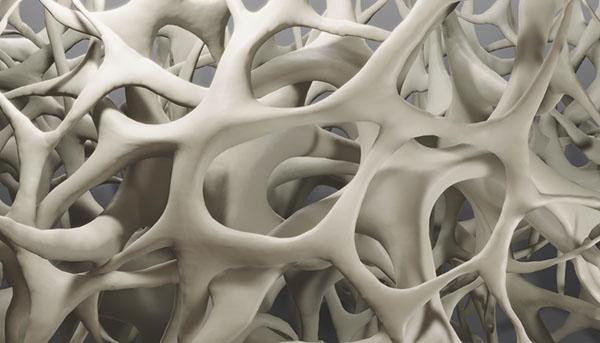
Everyday habits that sneakily weaken your bones
A variety of everyday habits can stealthily reduce bone health. These include consuming too little calcium, excessive caffeine or soda, inadequate protein, and large amounts of alcohol, as well as smoking, being sedentary, dieting frequently, or taking certain medications.

Ask the Doc: What can you do to improve your memory?
Do you find yourself misplacing your keys more often? Losing your glasses on a daily basis? Forgetting dentist appointments? In our short video, Dr. Mallika Marshall describes common-sense strategies for improving your memory.

Oat vs. dairy milk: Nutrition, benefits, and downsides
Microplastics: A hidden health threat?
Healing after food poisoning
What is tempeh? Benefits, nutrition, and how to use it
Light exposure at night may raise risk for heart disease
Whole grains may improve several heart risk factors at once
A lumbar belt may help ease low back pain
Children of centenarians may stay healthier and live longer too, study finds
Signs of pneumonia: Sometimes vague and unexpected
The surprising link between ovarian cancer and the fallopian tubes
Free Healthbeat Signup
Get the latest in health news delivered to your inbox!
Sign Up
