

CoQ10: Should you take this popular supplement if you're on a statin?

Oat vs. dairy milk: Nutrition, benefits, and downsides

Microplastics: A hidden health threat?

Healing after food poisoning

What is tempeh? Benefits, nutrition, and how to use it

Light exposure at night may raise risk for heart disease

Whole grains may improve several heart risk factors at once

A lumbar belt may help ease low back pain

Children of centenarians may stay healthier and live longer too, study finds

Signs of pneumonia: Sometimes vague and unexpected
Healthy aging and longevity Archive
Articles

Walking for wellness: Quick jaunts versus long treks
Physical activity improves physical and mental health, and walking is the simplest way to stay active. Walking for more than 10 minutes at a time may offer extra benefits, but all movement counts. For people over 60, 6,000 to 8,000 steps a day are optimal, regardless of walking speed.

Social media posts about statins: Sorting fact from fiction
Social media posts tend to exaggerate side effects (such as muscle aches and memory problems) associated with statins and may spread invalid information about these drugs. This misinformation is a major threat to public health, according to a 2025 article.
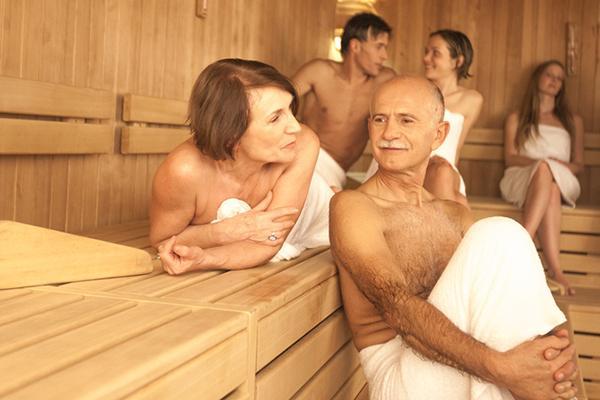
Can regular sauna sessions support a healthy heart?
Population-based studies have linked regular sauna use with better heart health. The high temperature inside a sauna-which usually ranges from about 150° F to 195° F-causes blood vessels to dilate, raising the heart rate and increasing blood flow throughout the body. However, randomized trials haven't found much evidence that saunas can improve measures of cardiovascular health. People with low blood pressure, valve disease, and heart failure should be cautious while using saunas.
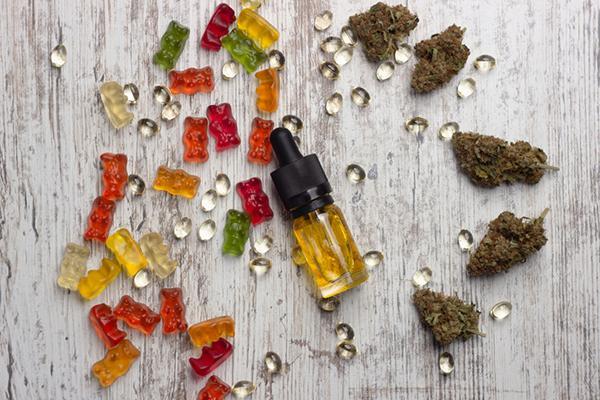
Sweet dreams: Can CBD gummies help you sleep?
Gummies and other products that contain non-intoxicating cannabinoids, including cannabidiol (CBD), may improve sleep. While CBD is generally safe and doesn't have next-day effects, it can interact with certain medications. Whenever possible, people who use CBD products should check the certificate of analysis (which summarizes independent tests of potency and contaminant levels) before buying these products. They should also check with their doctors about potential interactions between CBD and any prescriptions or supplements they take.
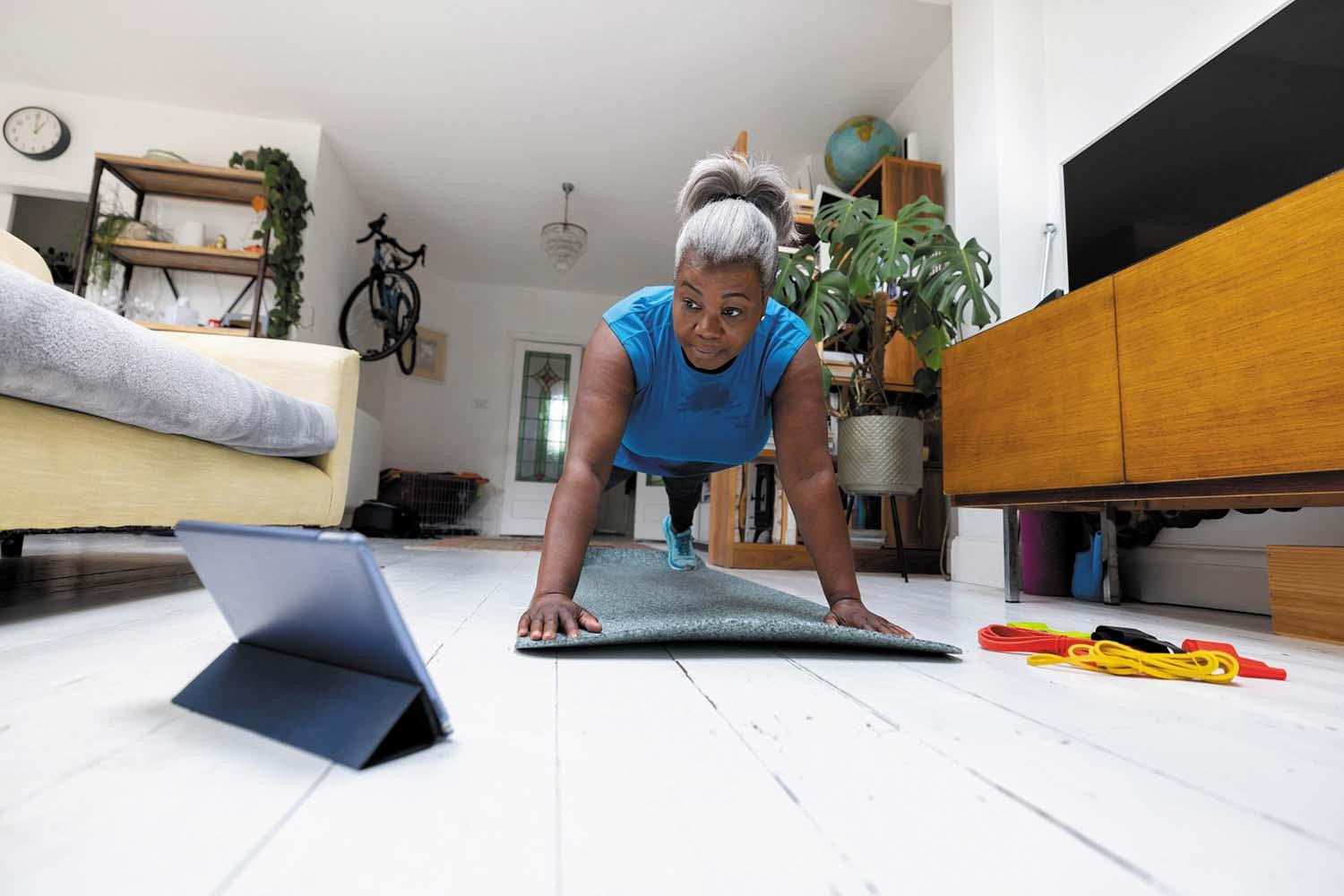
Mind your heart for a longer, healthier life
Simple, proven strategies to live a longer, healthier life can help people become super-agers, defined as people who reach the age of 70 without any major diseases such as heart disease, cancer, or dementia. These habits include doing strength training to preserve muscle mass, eating a mostly vegetarian diet that provides many healthful nutrients, and prioritizing healthy sleep habits.
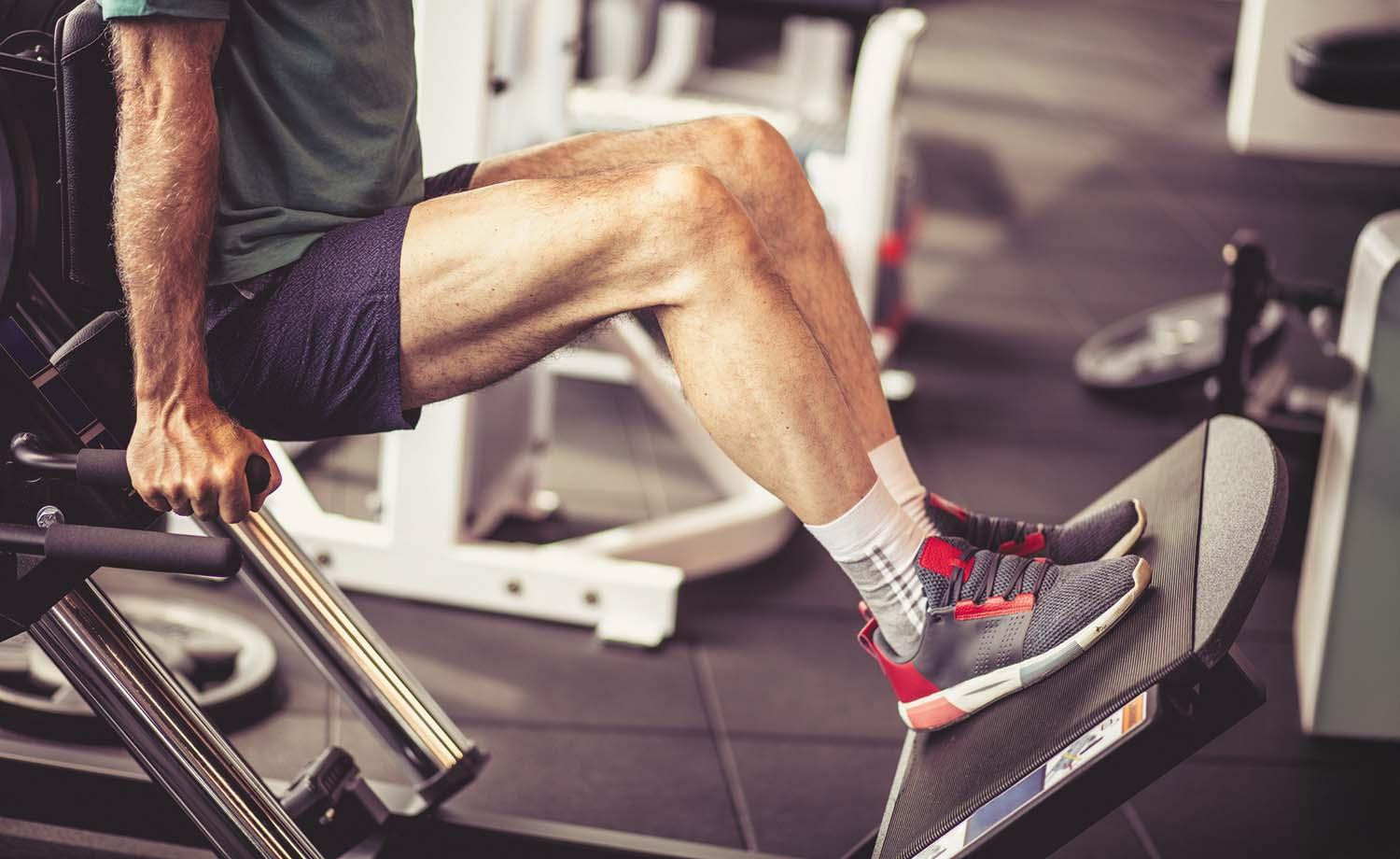
Building stronger legs
Leg strength becomes even more vital as people age, as the legs are essential for routine movements such as going up and down stairs, sitting and rising from chairs, bending over and standing up, and protecting against falls. The main leg muscles are gluteals, quadriceps, hamstrings, and calves. Some exercises that can help strengthen these muscles are bridges, step-ups, and heel raises.
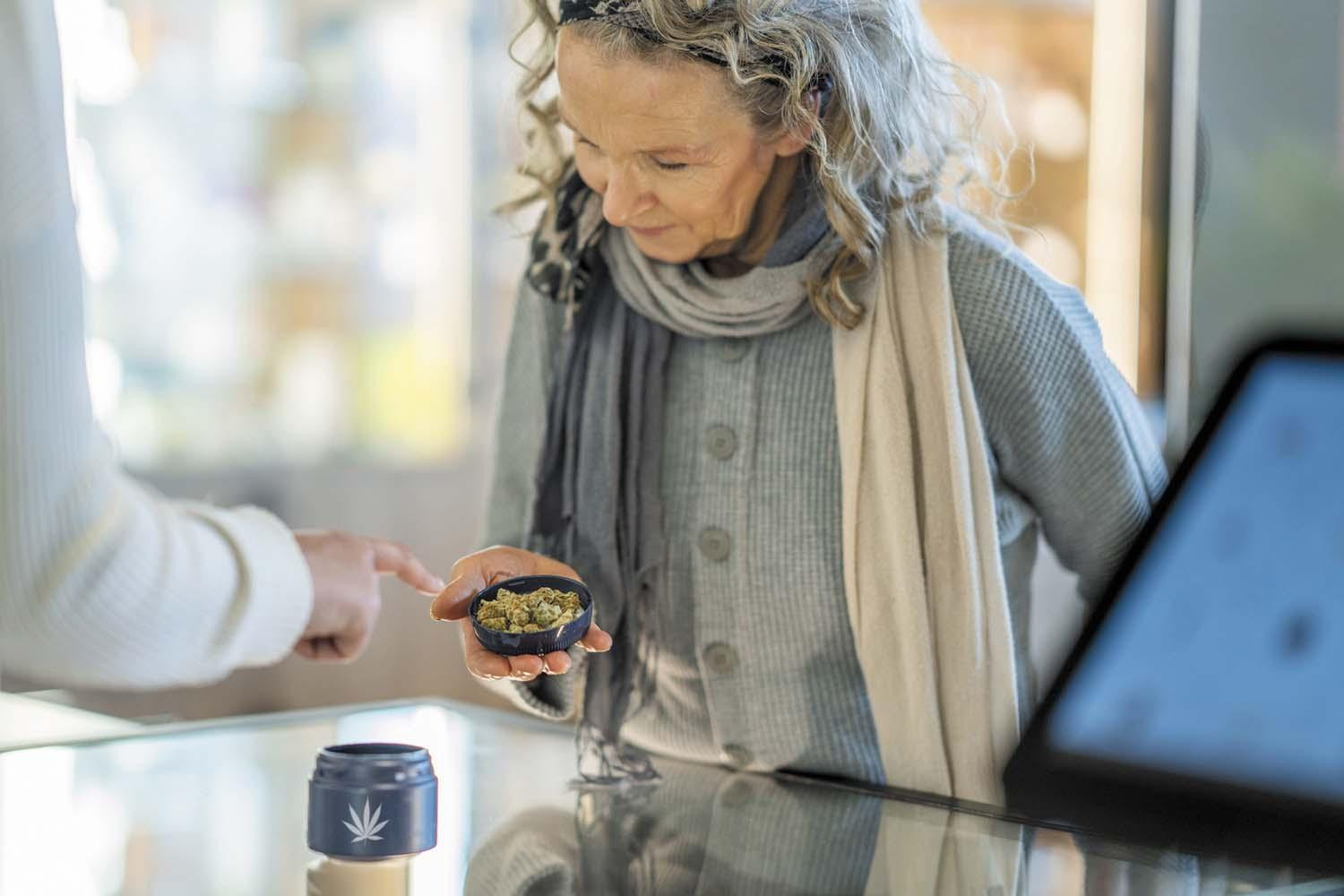
Relief or risk? Using cannabis as we age
Increasing numbers of older adults are using cannabis over recent years. People over 50 report using it to relax, sleep better, feel good, relieve pain, improve mood or mental health, or treat medical conditions. But older adults are more vulnerable to cannabis side effects, such as falls or interactions with prescription and over-the-counter drugs. Many older adults aren't aware that cannabis products today are far more potent than in decades past. Medical visits related to cannabis use rose more than 27-fold among adults 65 and older between 2008 and 2021.
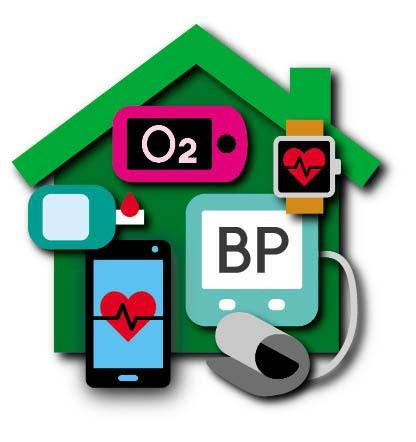
How to use home health monitors
Home health technologies have made it easier for people to monitor their health at home. These handy home devices can track certain health markers, such as blood pressure, blood sugar, heart rhythm, heart rate variability, and oxygen saturation. Checking this information periodically may help some people identify possible problems or manage existing conditions.

Try this: Winter skin care
People can take several measures to protect against winter dry skin, such as using an indoor humidifier, washing carefully, following a moisturizing routine, and covering exposed skin when outdoors.
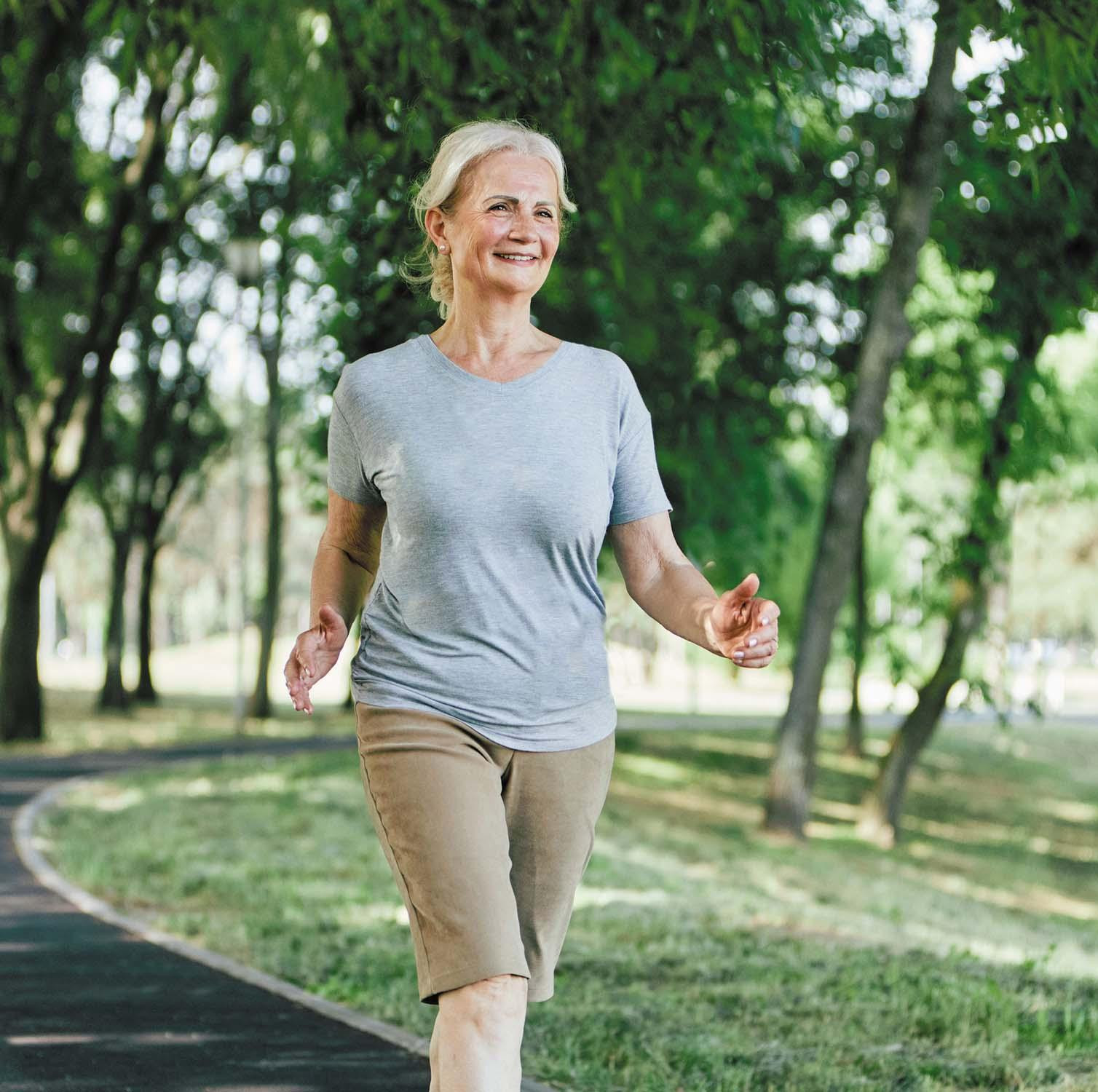
Fast walking may lengthen your life
An October 2025 study found that at least 15 minutes of fast-walking each day was associated with longer life.
CoQ10: Should you take this popular supplement if you're on a statin?
Oat vs. dairy milk: Nutrition, benefits, and downsides
Microplastics: A hidden health threat?
Healing after food poisoning
What is tempeh? Benefits, nutrition, and how to use it
Light exposure at night may raise risk for heart disease
Whole grains may improve several heart risk factors at once
A lumbar belt may help ease low back pain
Children of centenarians may stay healthier and live longer too, study finds
Signs of pneumonia: Sometimes vague and unexpected
Free Healthbeat Signup
Get the latest in health news delivered to your inbox!
Sign Up
