

CoQ10: Should you take this popular supplement if you're on a statin?

Oat vs. dairy milk: Nutrition, benefits, and downsides

Microplastics: A hidden health threat?

Healing after food poisoning

What is tempeh? Benefits, nutrition, and how to use it

Light exposure at night may raise risk for heart disease

Whole grains may improve several heart risk factors at once

A lumbar belt may help ease low back pain

Children of centenarians may stay healthier and live longer too, study finds

Signs of pneumonia: Sometimes vague and unexpected
Healthy aging and longevity Archive
Articles

Go slower for strength training gains
A form of strength training called time under tension (TUT)focuses on the amount of time muscles are activated during an exercise rather than the number of repetitions or amount of weight. TUT forces people to use a slower tempo and controlled movements when exercising, which keeps the muscles engaged longer, helping to stimulate muscle growth. TUT can be applied to practically any type of strength training exercise, including free weights and gym machines.

Gum disease may increase the risk for stroke and cognitive decline
A 2025 study found that in brain MRI scans, people with any evidence of gum disease were more likely to have higher amounts of a marker for disease in the brain's small blood vessels, compared to people without gum disease.
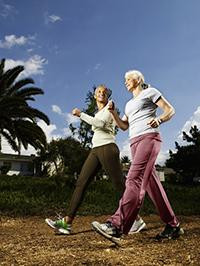
A modest level of physical activity may help protect women from health risks
According to a 2025 study, women who walked at least 4,000 steps per day once or twice a week had a lower risk of cardiovascular disease and early death compared with women who did not reach this threshold.

Does exercising in the evening affect sleep?
Research suggests that people can exercise in the evening without it affecting their sleep if they avoid physical activity several hours before bedtime.

A fresh approach to cardio exercises
There are many ways people can meet the national guidelines for weekly activity. While running and walking are popular exercise choices, they are not the only options. Many sports and activities provide a similar heart-pumping workout, such as boxing, swimming, cycling, basketball, dancing, and even pickleball. People can also get creative and do circuit training using gym machines or perform cardio exercises at home.
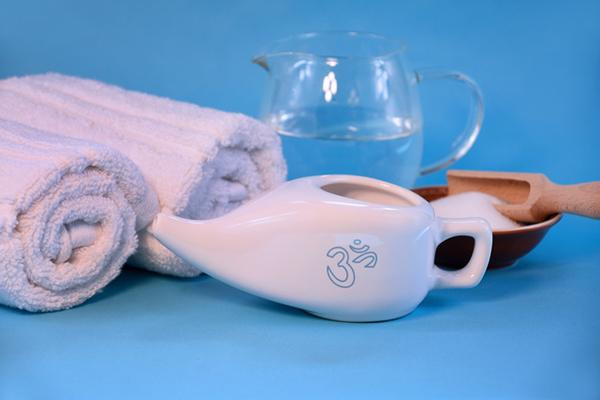
Can nasal irrigation help with winter colds and congestion?
Daily nasal irrigation (also called nasal rinses) may reduce symptom severity and the duration of a cold. It can also relieve the congestion caused by sinus infections and allergies. It is unclear whether it can prevent colds. By means of a squeeze bottle, neti pot, or battery-powered system, saline (salt water) is inserted into one nostril and flows out the other. It's important to always use sterile water, meaning distilled or cooled boiled water. The rinse helps wash away mucus and some inflammatory chemicals, reducing the swelling that's responsible for congestion.
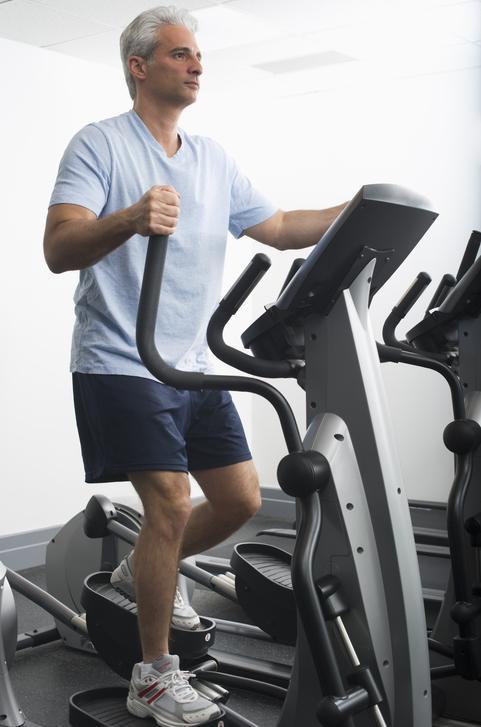
Why you should try ellipticals
Ellipticals are stationary exercise machines that simulate walking, running, or stair climbing. They combine cardio with strength training and can simultaneously engage the upper and lower body for a full-body workout. Ellipticals also offer a low-impact exercise, placing less stress on the knee, hip, and ankle joints, which make them ideal for people who have knee or hip osteoarthritis or are recovering from an injury.

Poor sleep raises risk of heart problems in menopausal women
A 2025 study identified poor sleep along with high blood pressure, nicotine use, and high blood sugar levels as particularly important factors increasing the long-term risk of heart problems for women in midlife.
FDA removes menopause hormone therapy black box warnings
After an FDA panel was convened to review black box warnings on menopause hormone therapy, which includes both systemic and vaginal estrogen treatments, the FDA announced in November 2025 it would remove black box warnings from all hormone therapy products containing estrogen. Women considering hormone therapy should discuss their individual health risks with their doctor - such as a history of heart attack or stroke, a blood clot in the legs or lungs, hormone-sensitive cancer, active liver disease, and overall breast cancer and cardiovascular risks.
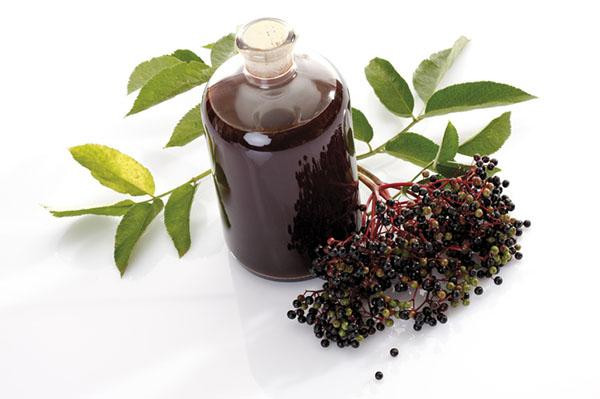
What are the health benefits of elderberry?
Elderberry syrup or tea may help reduce the duration and severity of cold and flu symptoms. But the evidence for these benefits is uncertain, since the studies are small and most did not compare elderberry to standard treatments. Claims that elderberry products can prevent viral infections or boost immunity are unproven. Elderberry supplements appear to be relatively safe; in clinical trials, effects such as nausea, vomiting, or diarrhea were mild and rare.
CoQ10: Should you take this popular supplement if you're on a statin?
Oat vs. dairy milk: Nutrition, benefits, and downsides
Microplastics: A hidden health threat?
Healing after food poisoning
What is tempeh? Benefits, nutrition, and how to use it
Light exposure at night may raise risk for heart disease
Whole grains may improve several heart risk factors at once
A lumbar belt may help ease low back pain
Children of centenarians may stay healthier and live longer too, study finds
Signs of pneumonia: Sometimes vague and unexpected
Free Healthbeat Signup
Get the latest in health news delivered to your inbox!
Sign Up
