

CoQ10: Should you take this popular supplement if you're on a statin?

Oat vs. dairy milk: Nutrition, benefits, and downsides

Microplastics: A hidden health threat?

Healing after food poisoning

What is tempeh? Benefits, nutrition, and how to use it

Light exposure at night may raise risk for heart disease

Whole grains may improve several heart risk factors at once

A lumbar belt may help ease low back pain

Children of centenarians may stay healthier and live longer too, study finds

Signs of pneumonia: Sometimes vague and unexpected
Healthy aging and longevity Archive
Articles
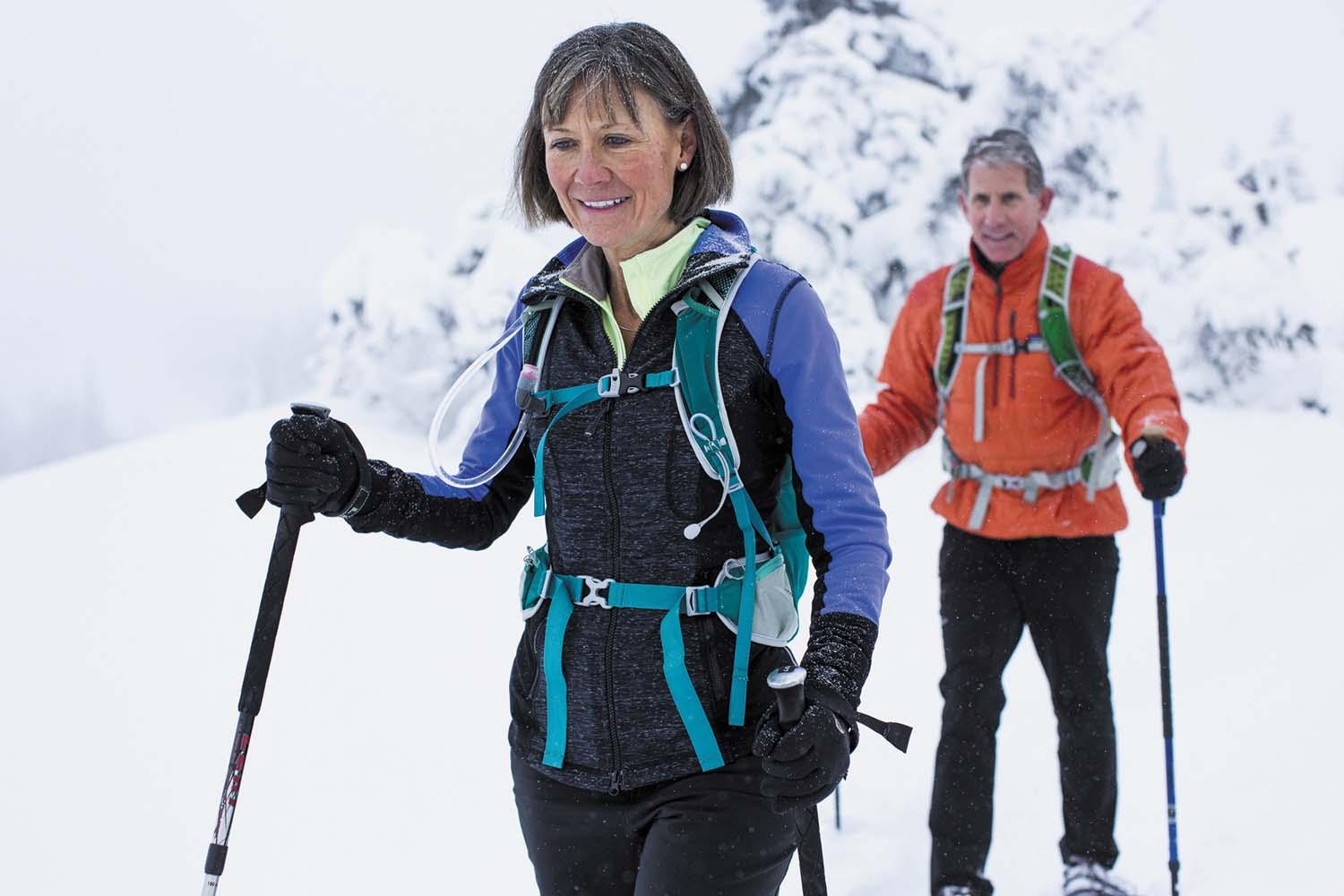
Higher fitness levels may protect against atrial fibrillation
A 2025 study suggests that higher fitness levels may help protect people from developing atrial fibrillation.
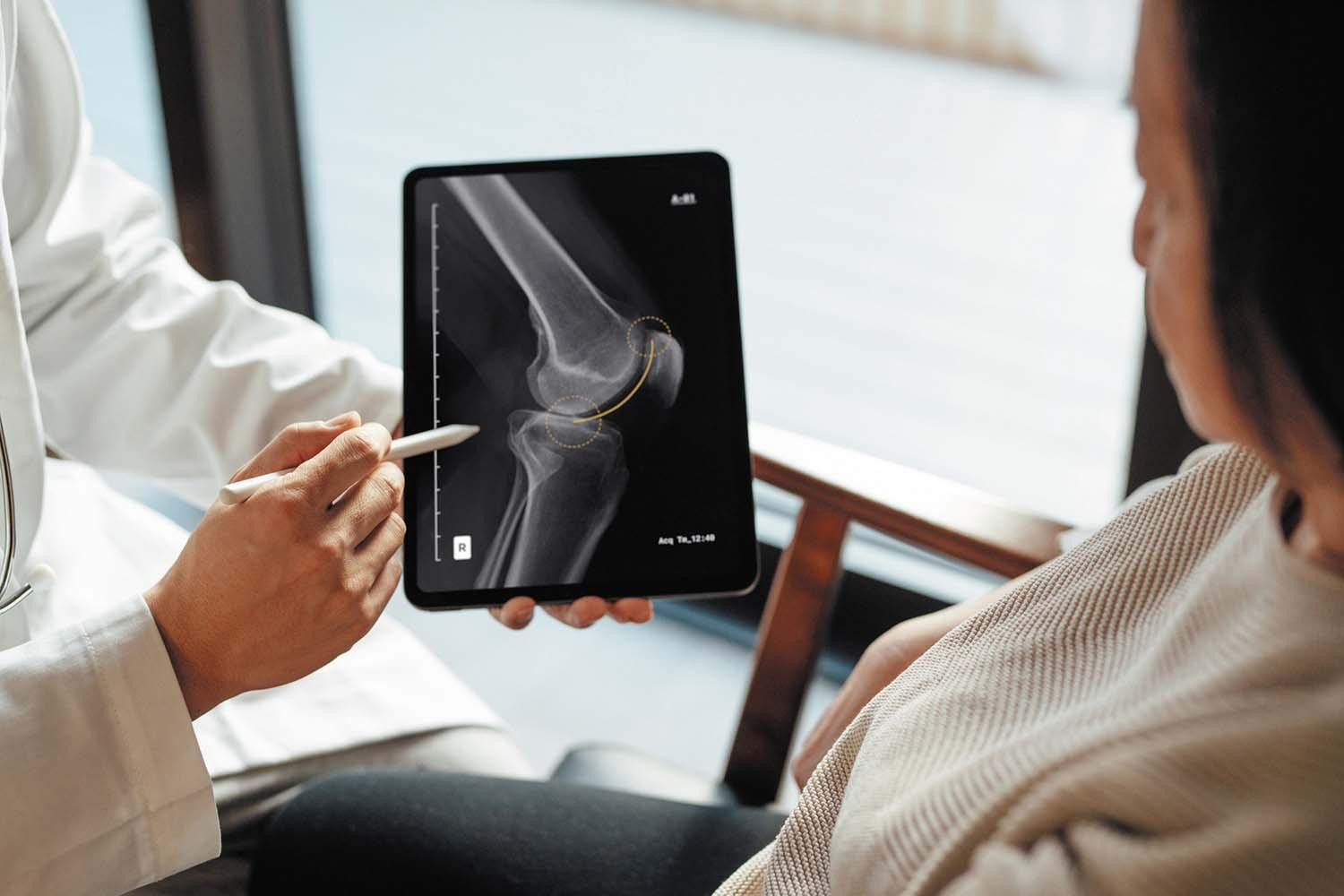
When does an injury require an x-ray?
X-rays can detect a broken bone, dislocation, or joint problem. People should seek an x-ray if an injury results in severe pain; severe or persistent swelling or bruising; difficulty moving or bearing weight; or a noticeable deformity.

Dogs and cats may slow cognitive decline
A 2025 study suggests that owning a dog or cat may help slow cognitive decline as people age.

Intensive care patients are at high risk for falls and injuries when they return home
People who are hospitalized and stay in an intensive care unit have a high risk for home falls and injuries after being discharged, according to a 2025 study. Implementing physical therapy and increasing patient awareness about medication side effects may help.

The hidden heart danger of insufficient sleep
Insufficient sleep triggers a long list of physiological and hormonal changes that contribute to heart disease. For example, a lack of sleep can cause increases in blood pressure, blood sugar, inflammation, and weight. Doctors recommend getting at least seven hours of uninterrupted sleep per night. Strategies that promote better sleep include going to bed and waking up at the same time every day, creating a healthy sleep environment, and turning off electronics an hour before bedtime.

How the body's internal clocks influence heart health
Circadian rhythms, which are hardwired into nearly every cell of the body, regulate the heart and blood vessels. Disruptions to this rhythm-from shift work, poor sleep, or unhealthy habits-can raise the risk of cardiovascular disease. For example, heart attacks are more likely to occur on Mondays than any other day of the week. That's because people tend to stay up later than usual and then sleep in the next day. On Monday morning, when they have to wake up early again for work, the change may cause subtle changes in blood pressure, hormone secretion, and metabolism that raise heart attack risk.
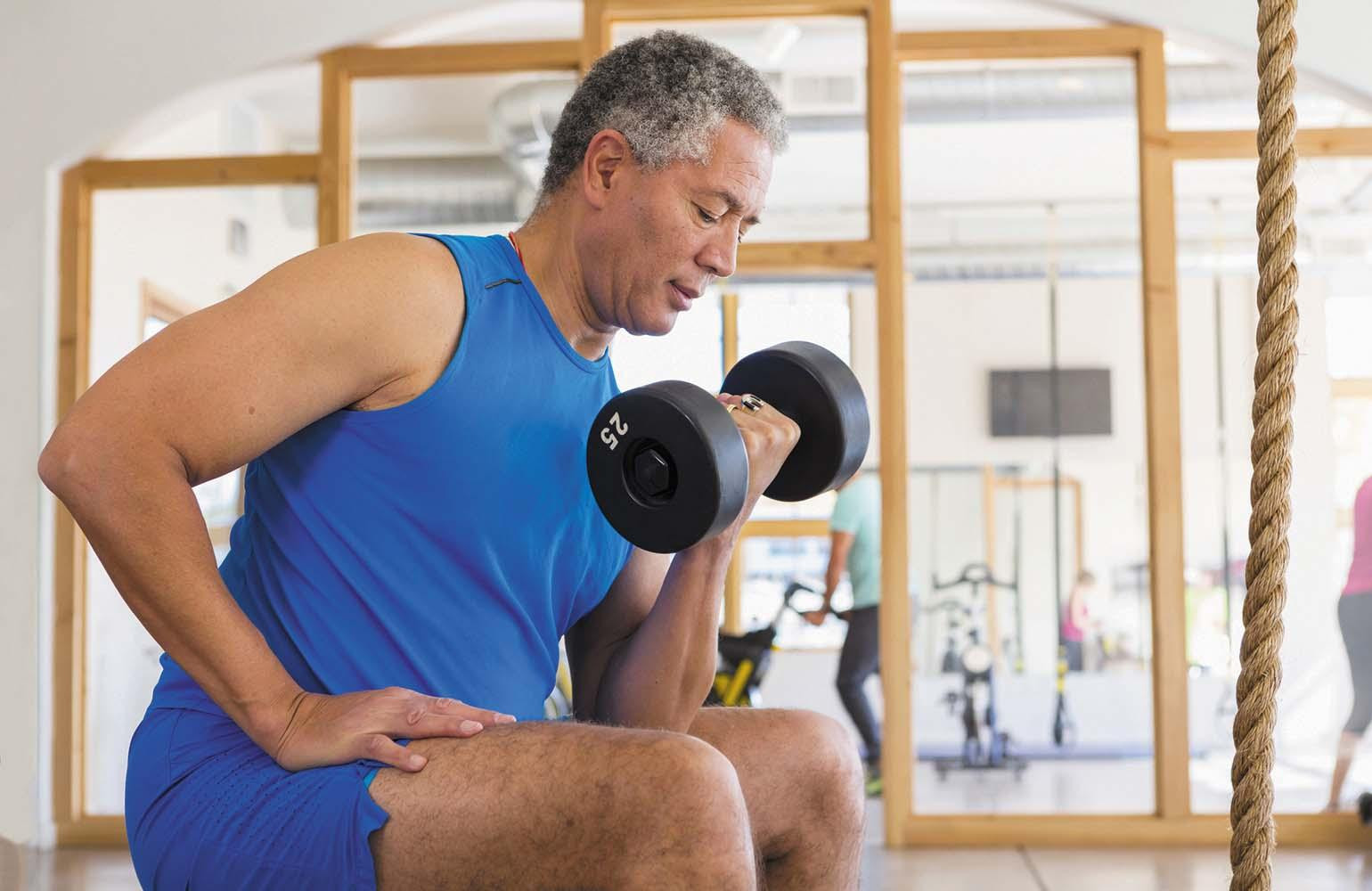
How to get rid of belly fat
Men often carry around extra belly fat and lose muscle mass as they age. An expanding waist could be sign of too much visceral fat, which is stored within the abdominal cavity and surrounds vital organs, including the pancreas, liver, and intestines. Research has shown that visceral fat can increase blood pressure, blood sugar, and total cholesterol levels, and raise the risk of fatty liver disease. Building muscle mass with resistance training and getting aerobic exercise improve muscle metabolism and help reduce visceral fat.
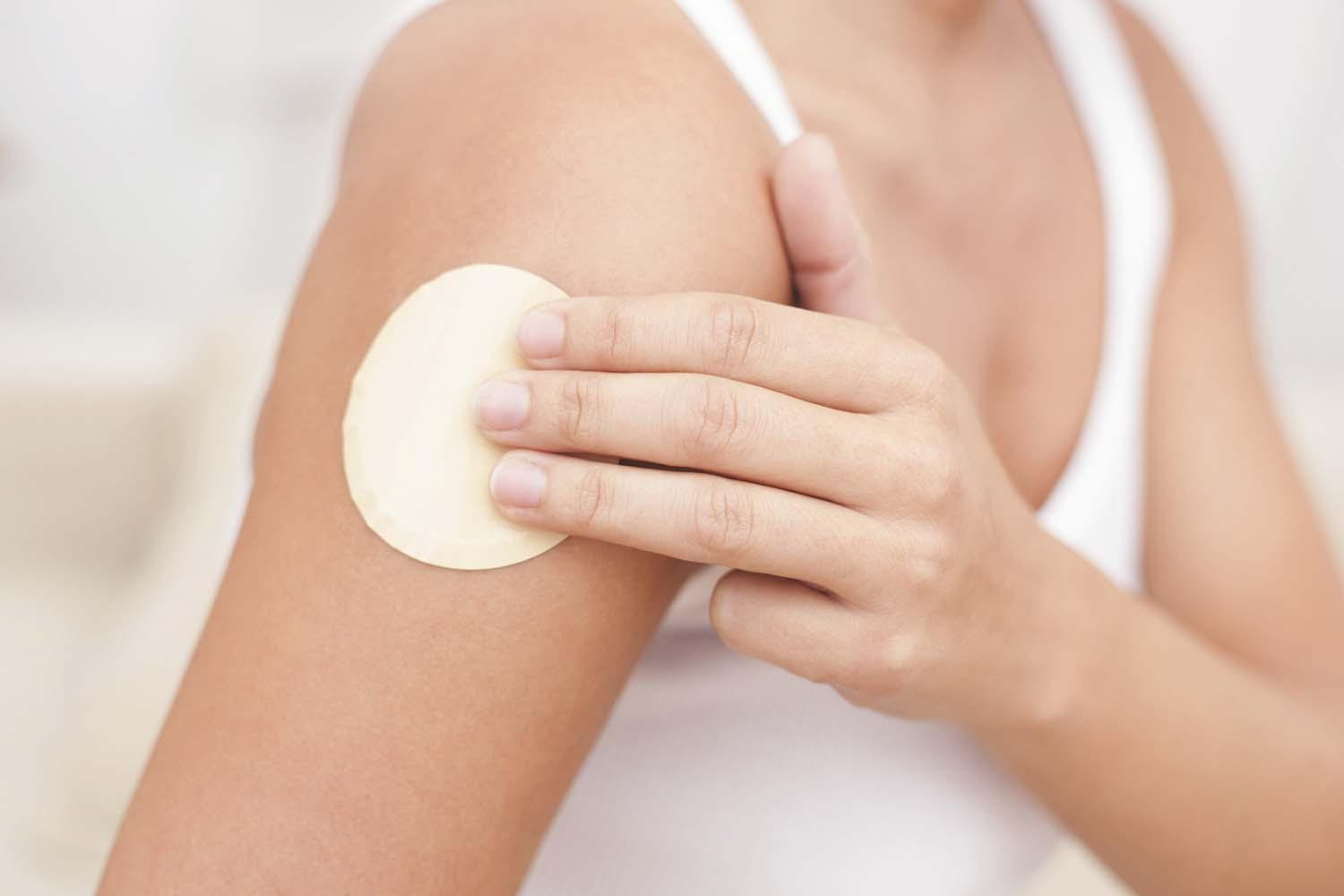
Can nicotine patches promote weight loss?
No evidence suggests that nicotine patches promote weight loss. Nicotine suppresses appetite but also raises health risks such as high blood pressure and narrowed arteries. People can talk to a doctor about medically supervised weight loss.

Frequent standing may improve blood pressure after menopause
A 2025 study suggests that postmenopausal women may be able to lower their blood pressure simply by standing more often each day.

Fitness apps may provide long-term motivation to stay active
A 2025 study found that many people who use a fitness app to track their daily steps were able to maintain or increase their numbers over two years, suggesting the devices may have a long-term effect on motivation.
CoQ10: Should you take this popular supplement if you're on a statin?
Oat vs. dairy milk: Nutrition, benefits, and downsides
Microplastics: A hidden health threat?
Healing after food poisoning
What is tempeh? Benefits, nutrition, and how to use it
Light exposure at night may raise risk for heart disease
Whole grains may improve several heart risk factors at once
A lumbar belt may help ease low back pain
Children of centenarians may stay healthier and live longer too, study finds
Signs of pneumonia: Sometimes vague and unexpected
Free Healthbeat Signup
Get the latest in health news delivered to your inbox!
Sign Up
