

CoQ10: Should you take this popular supplement if you're on a statin?

Oat vs. dairy milk: Nutrition, benefits, and downsides

Microplastics: A hidden health threat?

Healing after food poisoning

What is tempeh? Benefits, nutrition, and how to use it

Light exposure at night may raise risk for heart disease

Whole grains may improve several heart risk factors at once

A lumbar belt may help ease low back pain

Children of centenarians may stay healthier and live longer too, study finds

Signs of pneumonia: Sometimes vague and unexpected
Healthy aging and longevity Archive
Articles
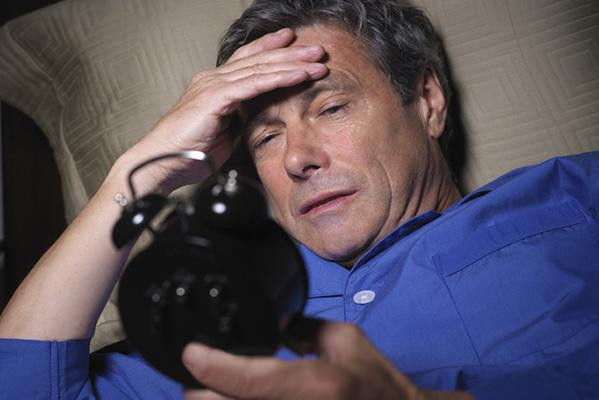
Chronic insomnia may raise the risk of cognitive decline
People who suffer from chronic insomnia are more likely to develop cognitive problems and score lower on thinking and memory tests compared with individuals without chronic insomnia, a 2025 study suggests.
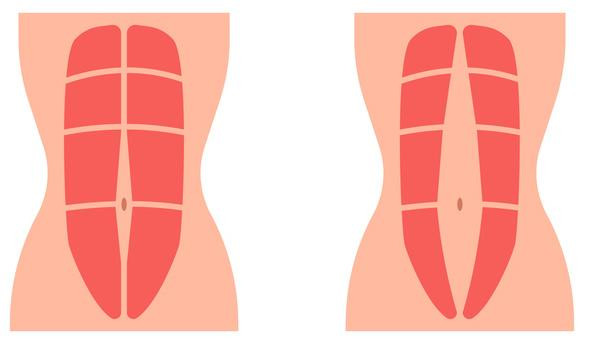
Battle of the bulge
Diastasis recti occurs when the rectus abdominis muscle - the "six-pack" - separates and leads to a midline abdominal bulge. This might happen because of pregnancy, aging, genetics, excessive abdominal pressure, or abdominal surgery. The bulge becomes more noticeable when lifting heavy objects, getting out of bed, or even performing everyday tasks. The condition usually doesn't resolve on its own. Working with a physical therapist can help decrease the muscle separation.
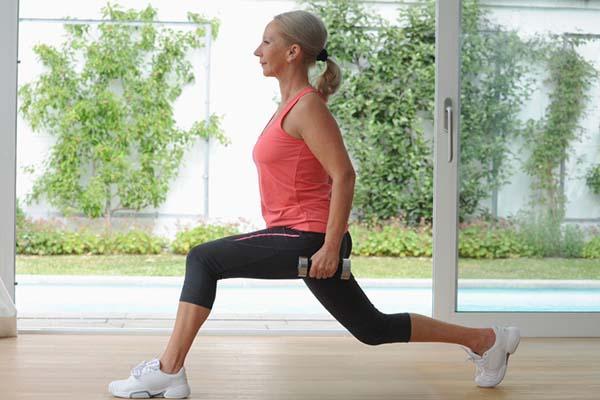
Are lunges safe for older adults?
An exercise routine that targets muscles in the legs and buttocks can help build the strength and stability that are essential for daily functioning. Lunges are an excellent exercise for this. Older adults can do them safely if they have sufficient leg strength to do the exercise correctly. For those who lack the necessary strength, modified versions can be done until it's possible to gradually work up to doing the full lunge. Once that is mastered, more advanced versions include the side lunge and walking lunge. Holding weights can increase the challenge.

The 3 a.m. wake-up: Why it happens to women more often after 55
Waking up in the middle of the night happens to women more often after age 55 due to many factors. These include diminished hormones and circadian rhythm changes. Stress, bladder changes, medications, chronic pain, and alcohol and caffeine use can also contribute. People can break the cycle of nighttime wake-ups by practicing good sleep hygiene, addressing medical issues, trying mind-body techniques such as deep breathing or meditation, and limiting caffeine, alcohol, and heavy evening meals.
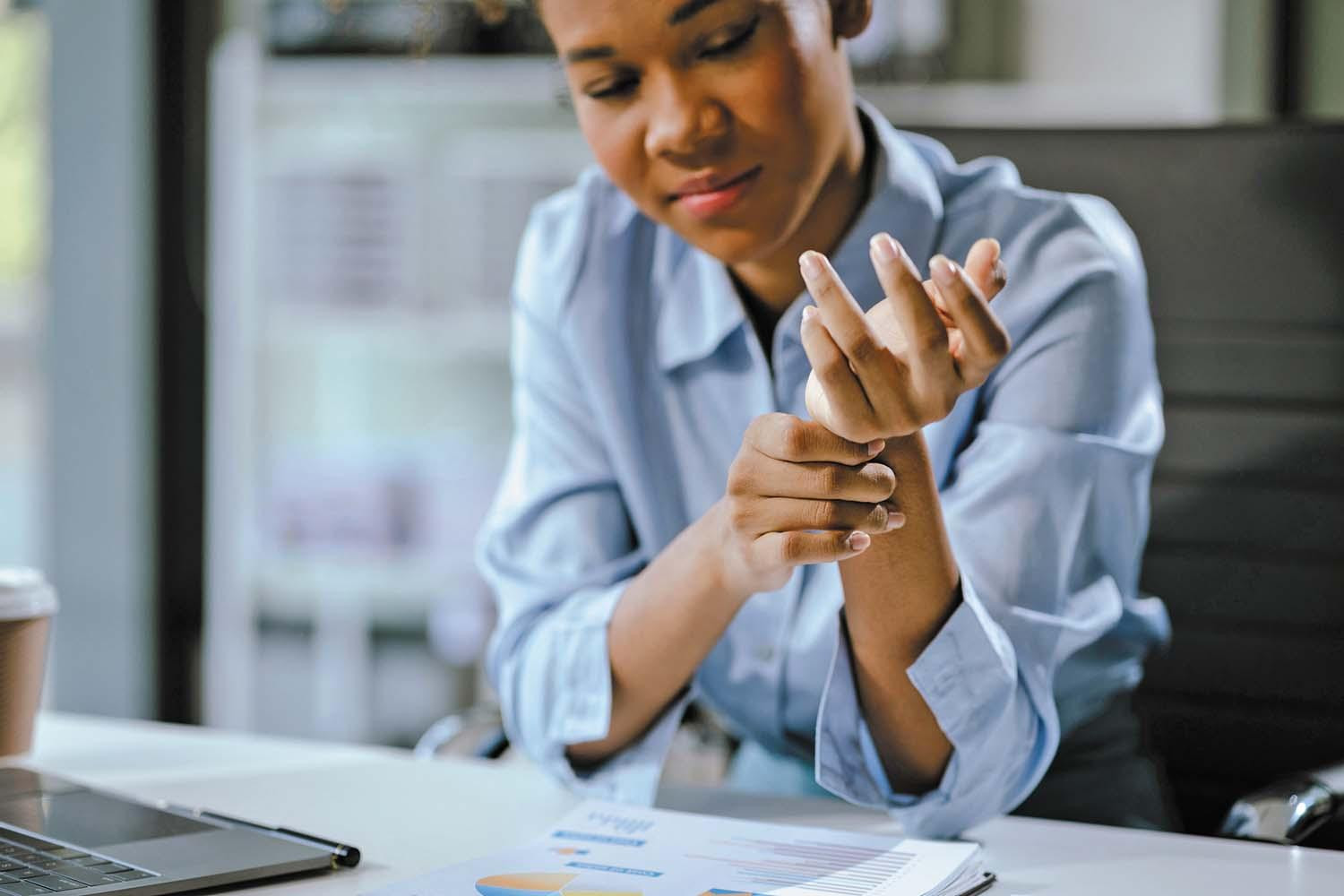
Is it normal for my joints to click?
There are many normal reasons people's joints make clicking, popping, cracking, or other noises. Joints are also more likely to make noise when people stay still for long periods. Pain or swelling with joint noise should prompt people to see a doctor.

Lessons from women on longevity
Women live longer than men. However, that longevity gap in the United States has increased to 5.8 years, the largest gap since 1996, according to a 2024 study. Why the widening gap? Researchers believe that in many cases, women are better than men at addressing certain health needs that contribute to longer lives, such as losing excess weight, quitting smoking, getting regular skin check-ups, and not ignoring mental health issues.
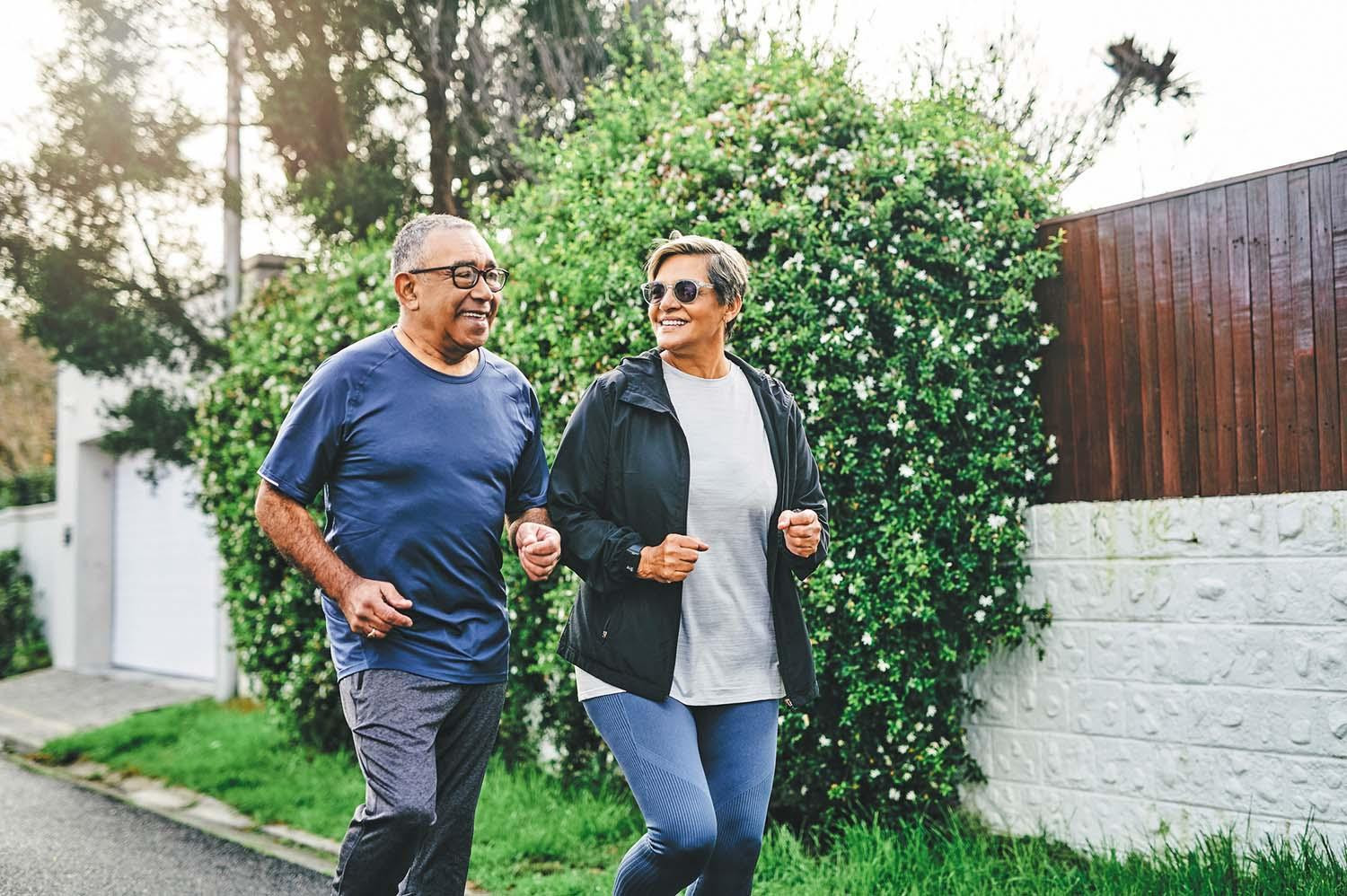
Just 7,000 daily steps reduces heart disease risk
A 2025 review found the people who walked 7,000 steps per day had a 25% lower of cardiovascular disease and a 47% lower risk of death from all causes compared to people who walked only 2,000 steps per day.
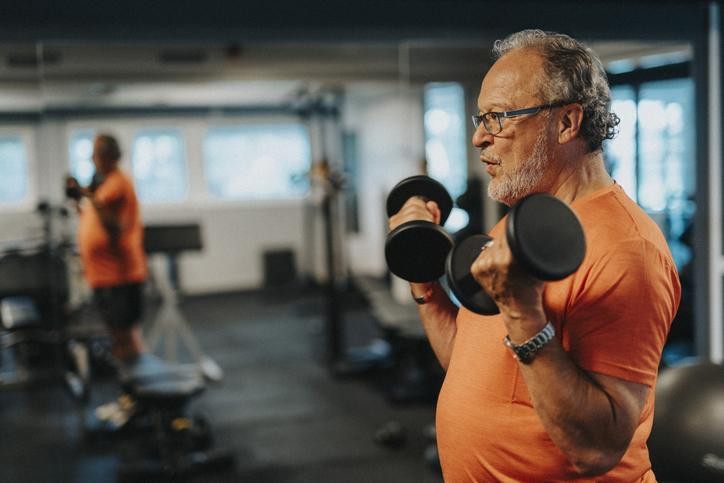
Exercising 150 minutes per week could help reverse prediabetes
People with prediabetes may be able to reduce their risk of developing type 2 diabetes with 150 minutes of moderate-intensity exercise per week, says a 2025 study. Exercise can help lower blood sugar and excess weight, the main risk factors for progression of prediabetes to type 2 diabetes.
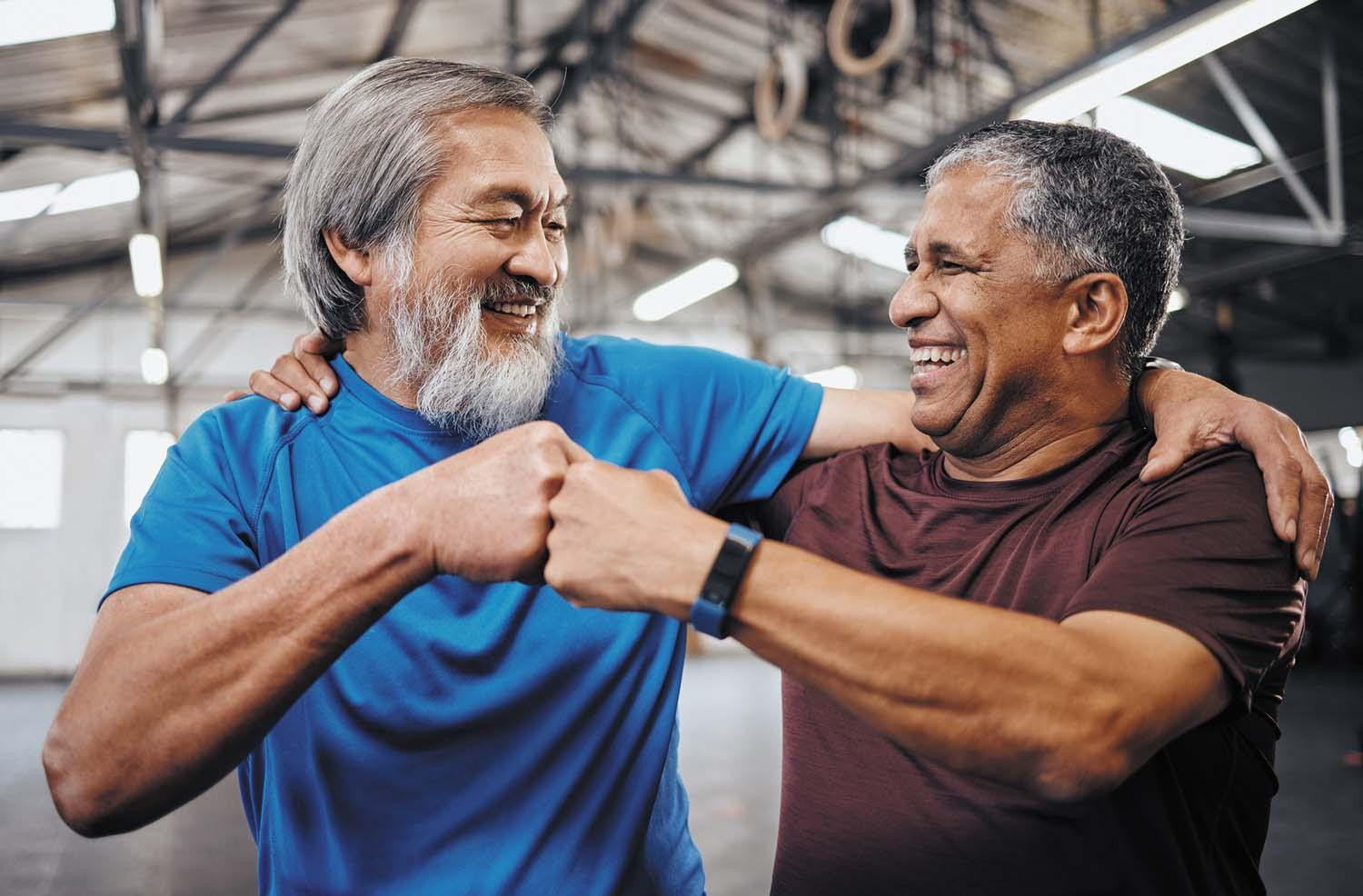
What can you do to maintain exercise motivation?
Approximately 50% of people who begin an exercise program quit within the first six months, according to some estimates. Declining motivation is usually the main reason, but there are ways that people can approach their fitness to help them stay focused and committed. These include recognizing the value of staying healthy, enlisting a workout buddy, adopting specific exercises to reach individual goals, matching workouts to their personality, and finding inspirational figures.

Heart-healthy habits appear to benefit the entire body
Habits that promote cardiovascular health are linked to benefits in nearly every organ system and improved function throughout the body, according to a 2025 review of 483 studies.
CoQ10: Should you take this popular supplement if you're on a statin?
Oat vs. dairy milk: Nutrition, benefits, and downsides
Microplastics: A hidden health threat?
Healing after food poisoning
What is tempeh? Benefits, nutrition, and how to use it
Light exposure at night may raise risk for heart disease
Whole grains may improve several heart risk factors at once
A lumbar belt may help ease low back pain
Children of centenarians may stay healthier and live longer too, study finds
Signs of pneumonia: Sometimes vague and unexpected
Free Healthbeat Signup
Get the latest in health news delivered to your inbox!
Sign Up
