

CoQ10: Should you take this popular supplement if you're on a statin?

Oat vs. dairy milk: Nutrition, benefits, and downsides

Microplastics: A hidden health threat?

Healing after food poisoning

What is tempeh? Benefits, nutrition, and how to use it

Light exposure at night may raise risk for heart disease

Whole grains may improve several heart risk factors at once

A lumbar belt may help ease low back pain

Children of centenarians may stay healthier and live longer too, study finds

Signs of pneumonia: Sometimes vague and unexpected
Healthy aging and longevity Archive
Articles
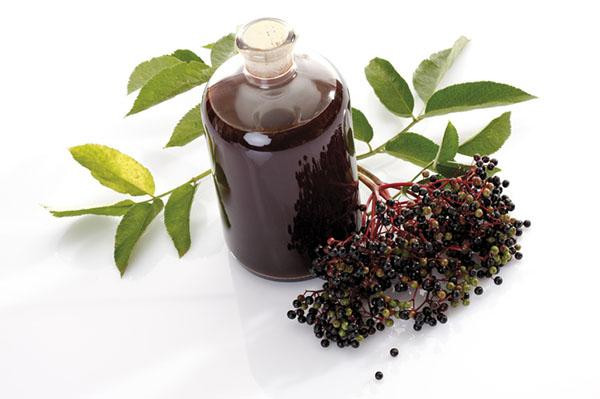
What are the health benefits of elderberry?
Elderberry syrup or tea may help reduce the duration and severity of cold and flu symptoms. But the evidence for these benefits is uncertain, since the studies are small and most did not compare elderberry to standard treatments. Claims that elderberry products can prevent viral infections or boost immunity are unproven. Elderberry supplements appear to be relatively safe; in clinical trials, effects such as nausea, vomiting, or diarrhea were mild and rare.
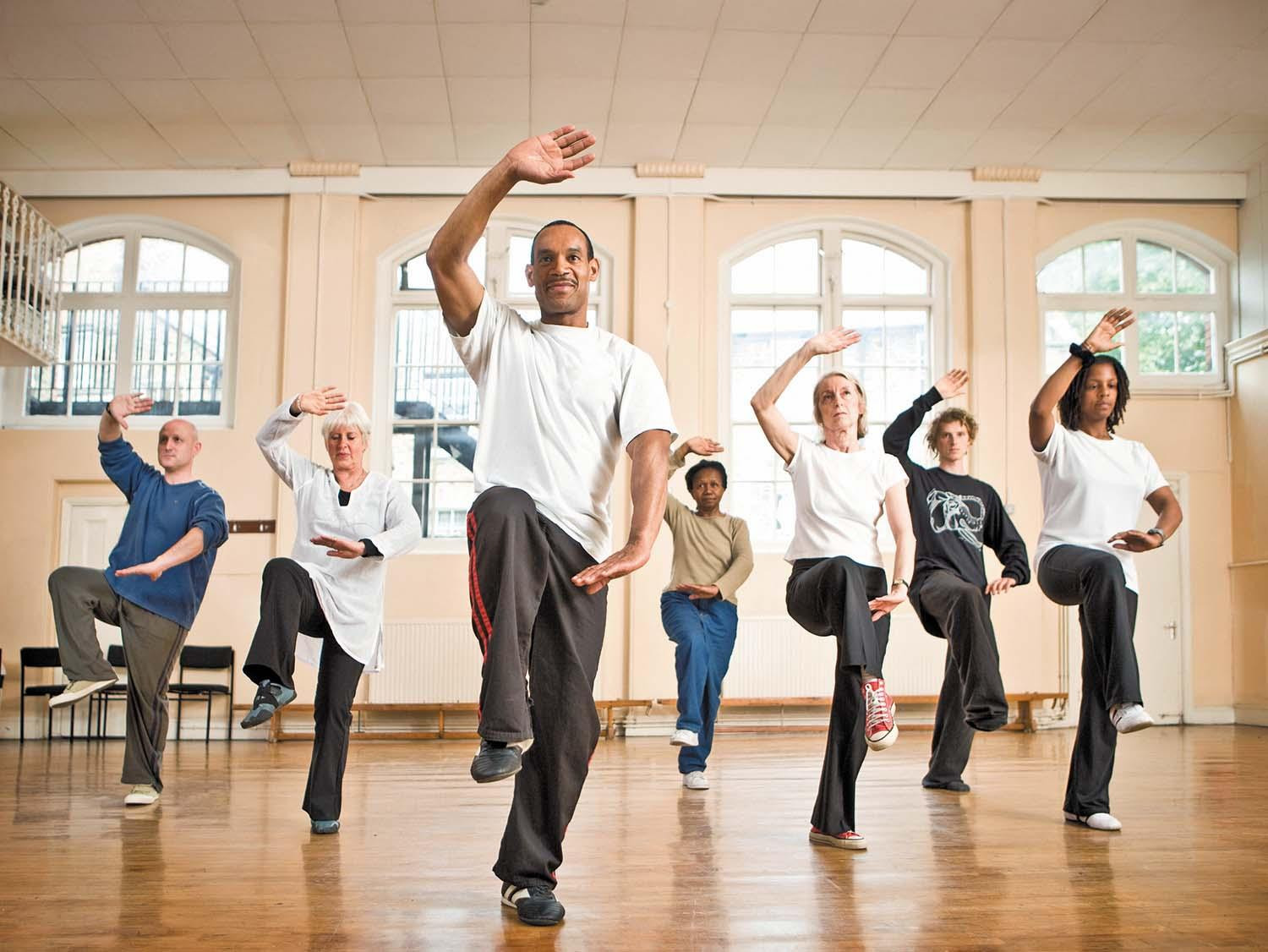
Improve your balance with tai chi this winter
Tai chi uses a series of gentle, flowing motions and slow, deep breathing to exercise the body and calm the mind. It's good for health in many ways, especially for balance, which improves as the body becomes more attuned to changes in movement. Tai chi can be practiced outdoors as well as indoors, which is helpful during winter months. To get started in a tai chi practice, it helps to take a class with an instructor who supervises practitioners' progress. Classes can be found at wellness centers and health clubs.
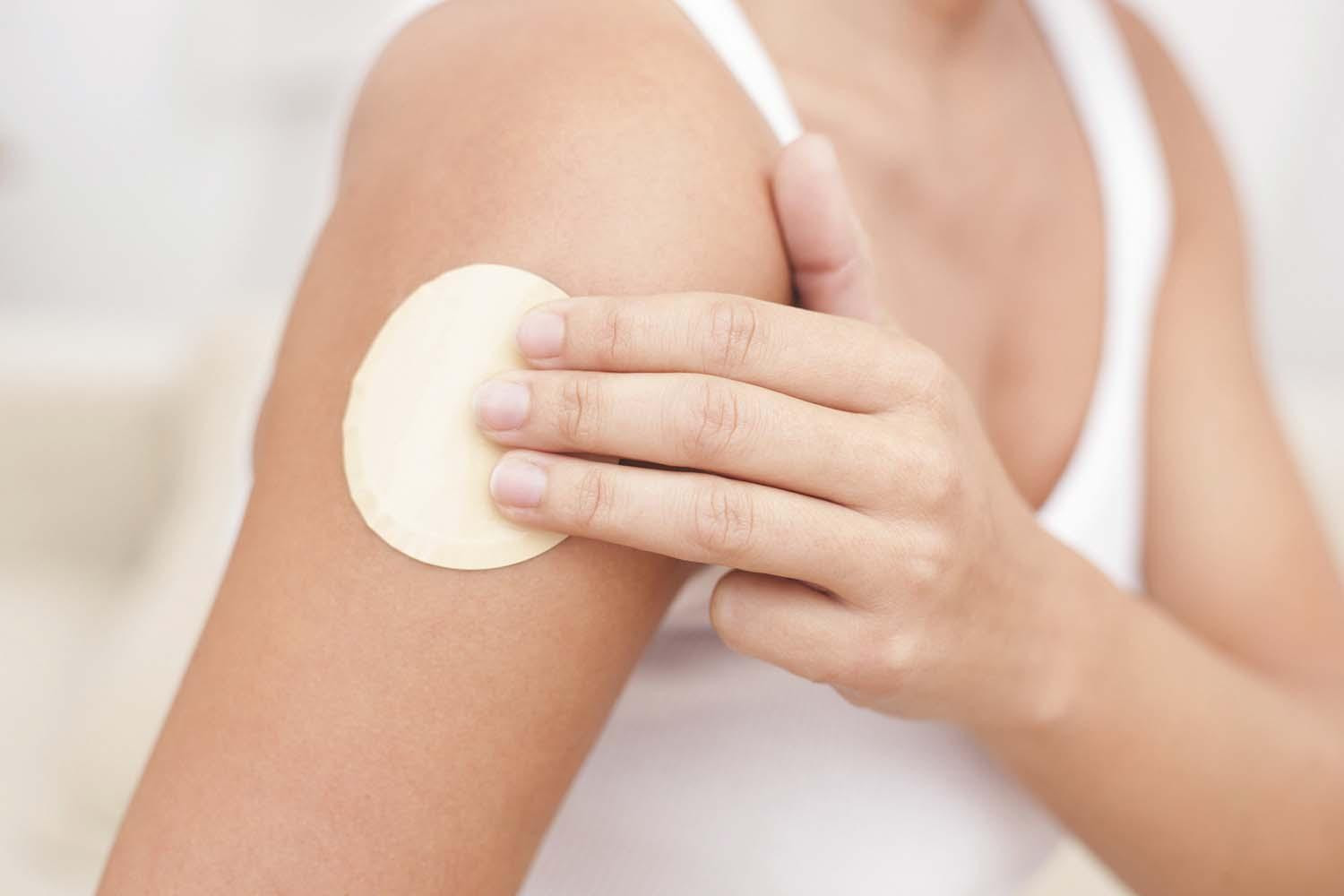
Can nicotine patches promote weight loss?
No evidence suggests that nicotine patches promote weight loss. Nicotine suppresses appetite but also raises health risks such as high blood pressure and narrowed arteries. People can talk to a doctor about medically supervised weight loss.

How the body's internal clocks influence heart health
Circadian rhythms, which are hardwired into nearly every cell of the body, regulate the heart and blood vessels. Disruptions to this rhythm-from shift work, poor sleep, or unhealthy habits-can raise the risk of cardiovascular disease. For example, heart attacks are more likely to occur on Mondays than any other day of the week. That's because people tend to stay up later than usual and then sleep in the next day. On Monday morning, when they have to wake up early again for work, the change may cause subtle changes in blood pressure, hormone secretion, and metabolism that raise heart attack risk.
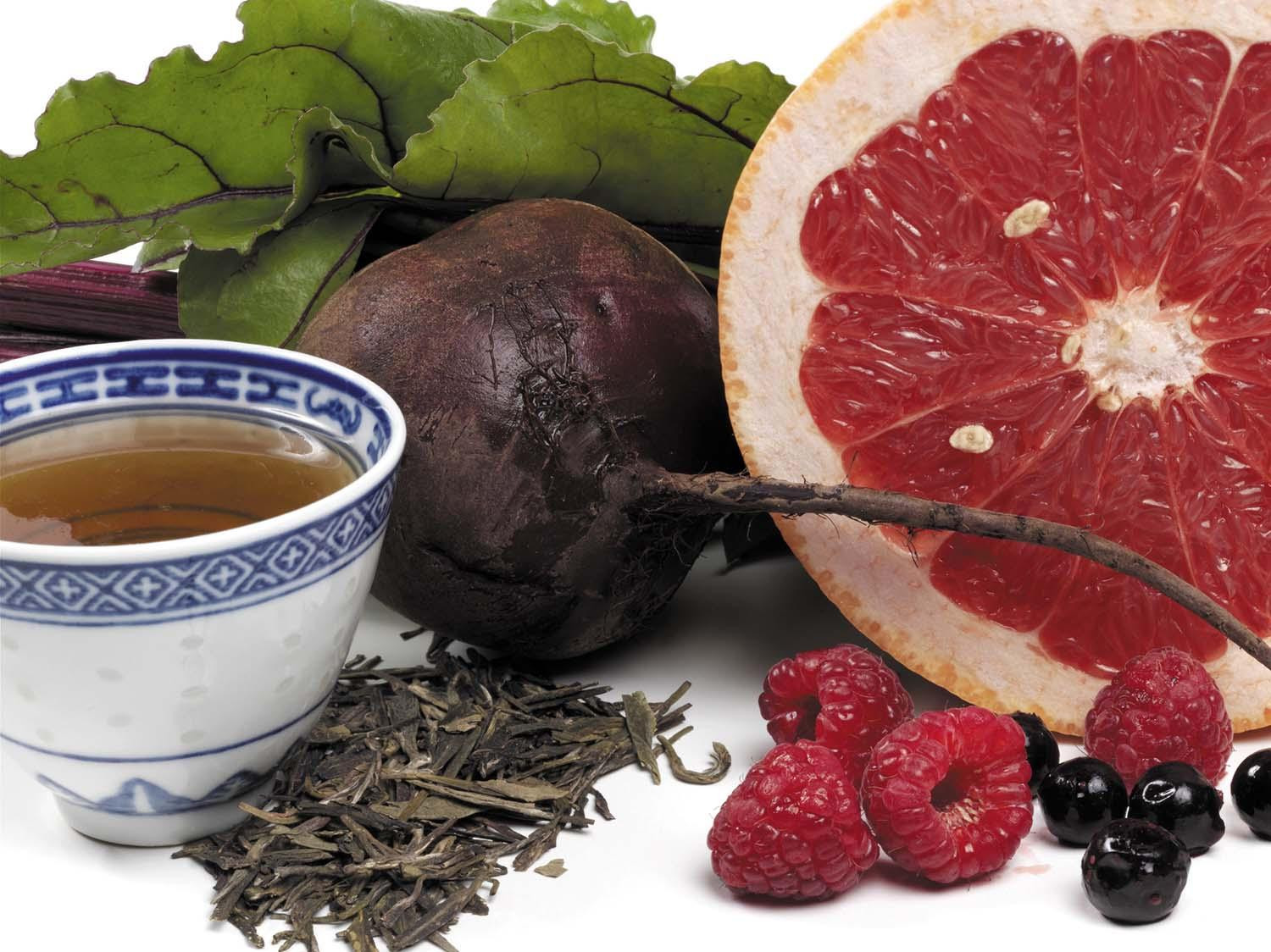
Flavonoid-rich foods may fuel healthier aging
A 2025 study suggests that consuming higher amounts of flavonoids such as berries, apples, oranges, and black tea may promote healthier aging, particularly in women.
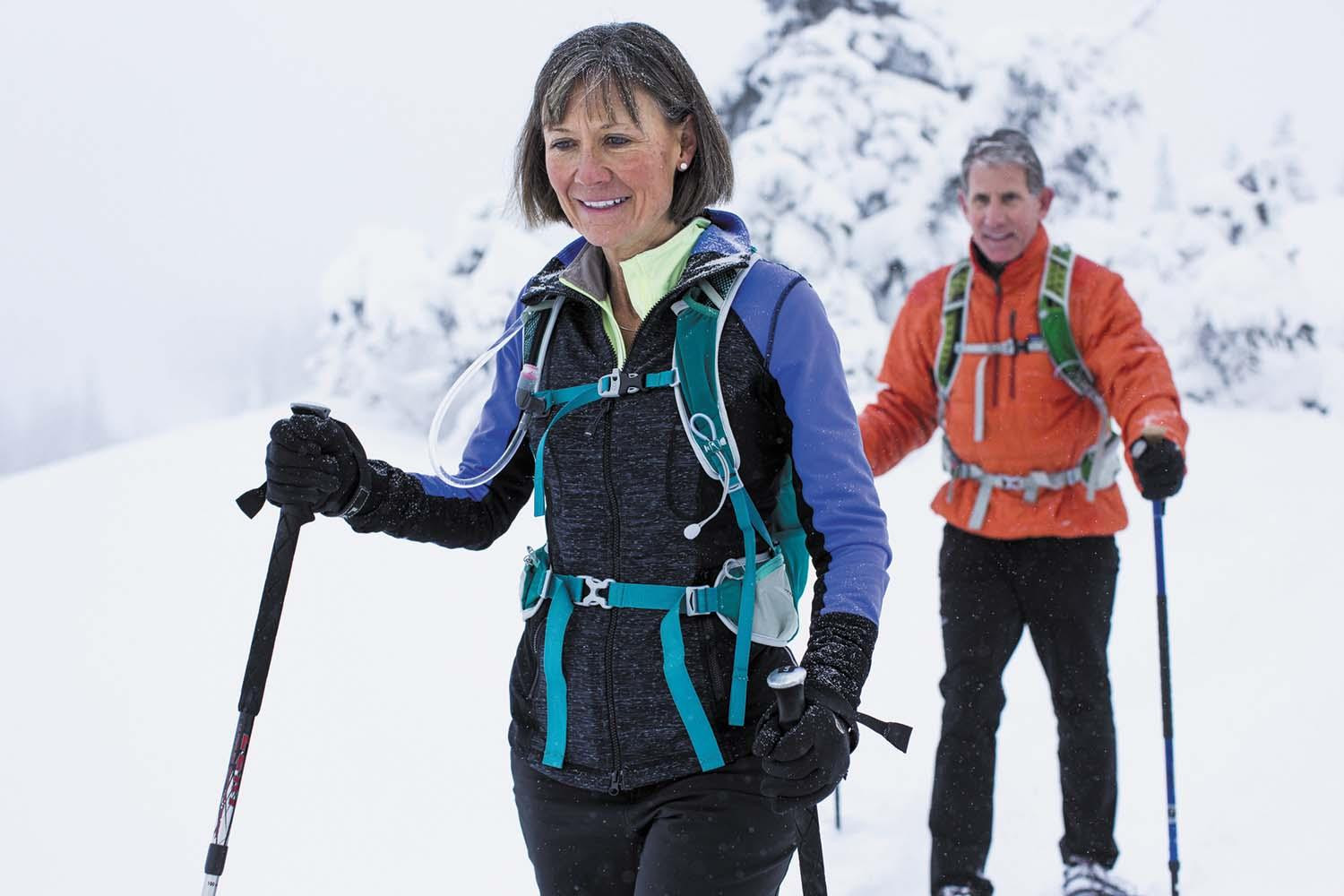
Higher fitness levels may protect against atrial fibrillation
A 2025 study suggests that higher fitness levels may help protect people from developing atrial fibrillation.

The hidden heart danger of insufficient sleep
Insufficient sleep triggers a long list of physiological and hormonal changes that contribute to heart disease. For example, a lack of sleep can cause increases in blood pressure, blood sugar, inflammation, and weight. Doctors recommend getting at least seven hours of uninterrupted sleep per night. Strategies that promote better sleep include going to bed and waking up at the same time every day, creating a healthy sleep environment, and turning off electronics an hour before bedtime.
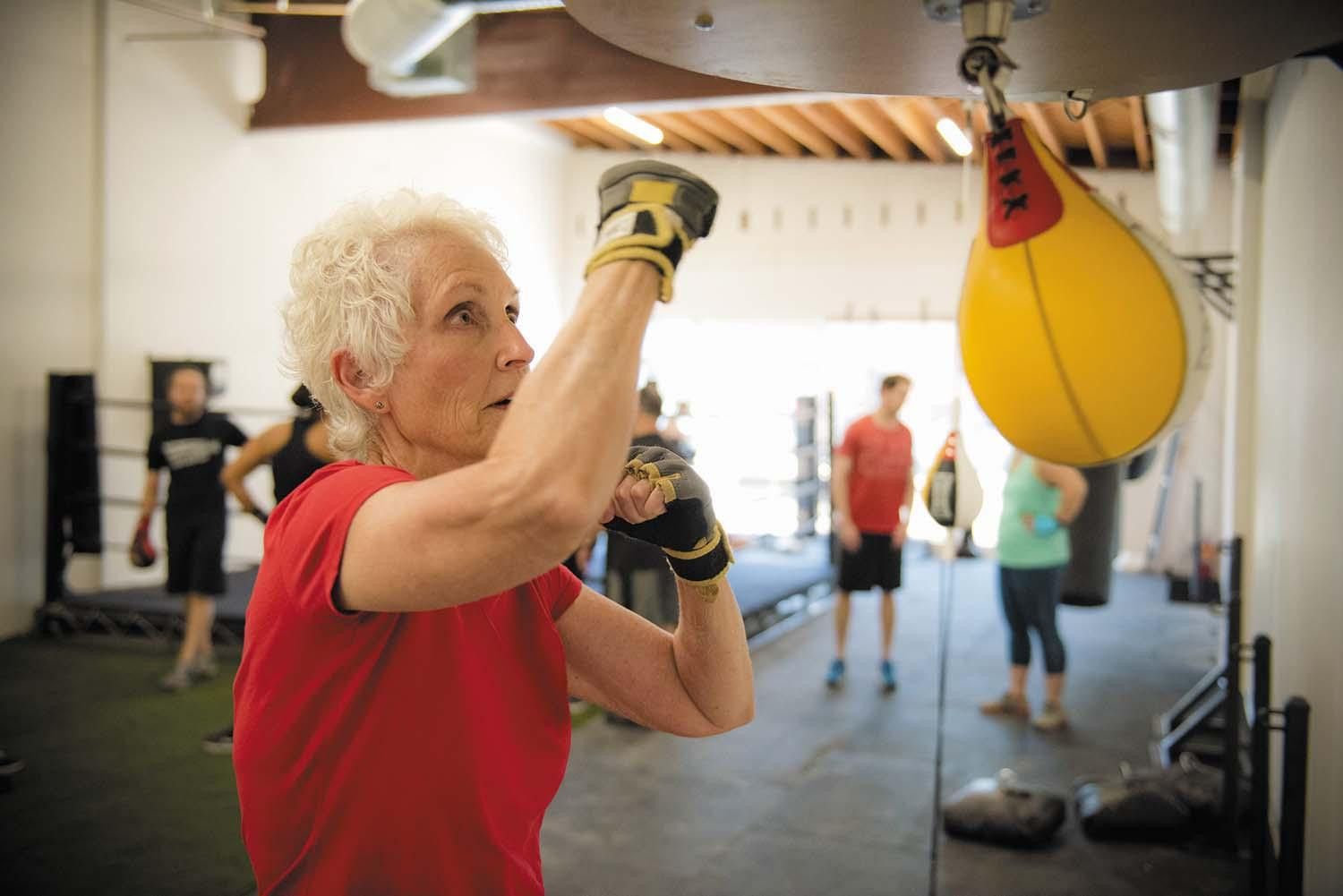
The heartfelt effects of exercise
Exercise is one of the most powerful tools for preventing heart disease and extending life. Physical activity triggers favorable changes such as making cells more sensitive to insulin and reducing inflammation. It also helps keep blood vessels supple and flexible (which supports efficient blood flow), strengthens muscles (which helps burn more calories), and remodels the heart, making it more efficient at pumping blood through the body. Together, these changes all reduce a person's chances of developing common risk factors for heart disease, including diabetes, high blood pressure, high cholesterol, and obesity.

Intensive care patients are at high risk for falls and injuries when they return home
People who are hospitalized and stay in an intensive care unit have a high risk for home falls and injuries after being discharged, according to a 2025 study. Implementing physical therapy and increasing patient awareness about medication side effects may help.

Dogs and cats may slow cognitive decline
A 2025 study suggests that owning a dog or cat may help slow cognitive decline as people age.
CoQ10: Should you take this popular supplement if you're on a statin?
Oat vs. dairy milk: Nutrition, benefits, and downsides
Microplastics: A hidden health threat?
Healing after food poisoning
What is tempeh? Benefits, nutrition, and how to use it
Light exposure at night may raise risk for heart disease
Whole grains may improve several heart risk factors at once
A lumbar belt may help ease low back pain
Children of centenarians may stay healthier and live longer too, study finds
Signs of pneumonia: Sometimes vague and unexpected
Free Healthbeat Signup
Get the latest in health news delivered to your inbox!
Sign Up
