

CoQ10: Should you take this popular supplement if you're on a statin?

Oat vs. dairy milk: Nutrition, benefits, and downsides

Microplastics: A hidden health threat?

Healing after food poisoning

What is tempeh? Benefits, nutrition, and how to use it

Light exposure at night may raise risk for heart disease

Whole grains may improve several heart risk factors at once

A lumbar belt may help ease low back pain

Children of centenarians may stay healthier and live longer too, study finds

Signs of pneumonia: Sometimes vague and unexpected
Healthy aging and longevity Archive
Articles
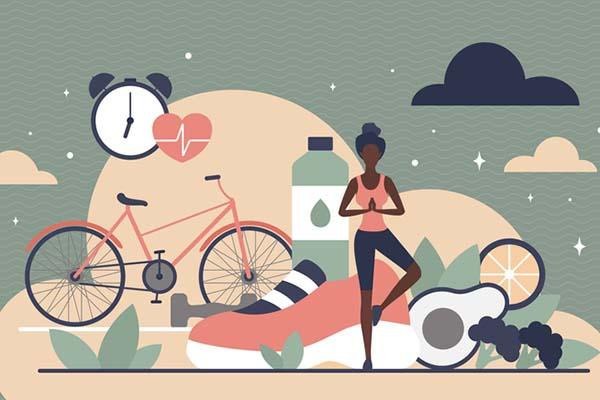
5 timeless habits for better health
Influencers, news headlines, and well-meaning friends and family offer conflicting advice on wellness. Quick fixes and fads may do little for our health, and some even prove harmful. Try to work these five simple habits that can boost health and wellness into your everyday life.

Heart disease and depression: A two way street
A heart disease diagnosis may trigger a bout of depression. But having depression can also leave people more vulnerable to heart disease. Some of the overlap stems from shared lifestyle factors, such as inactivity and an unhealthy diet. In addition to addressing those issues, other safe and effective ways to ease depression include working with a therapist, using a light box, and taking medications.
Is constant gum-chewing a bad idea?
Evidence suggests that chewing gum can help people feel more focused and less stressed. Chewing sugar-free versions can hinder cavities. But constant gum-chewing can tire jaw muscles, and xylitol-containing gum can trigger abdominal distress.
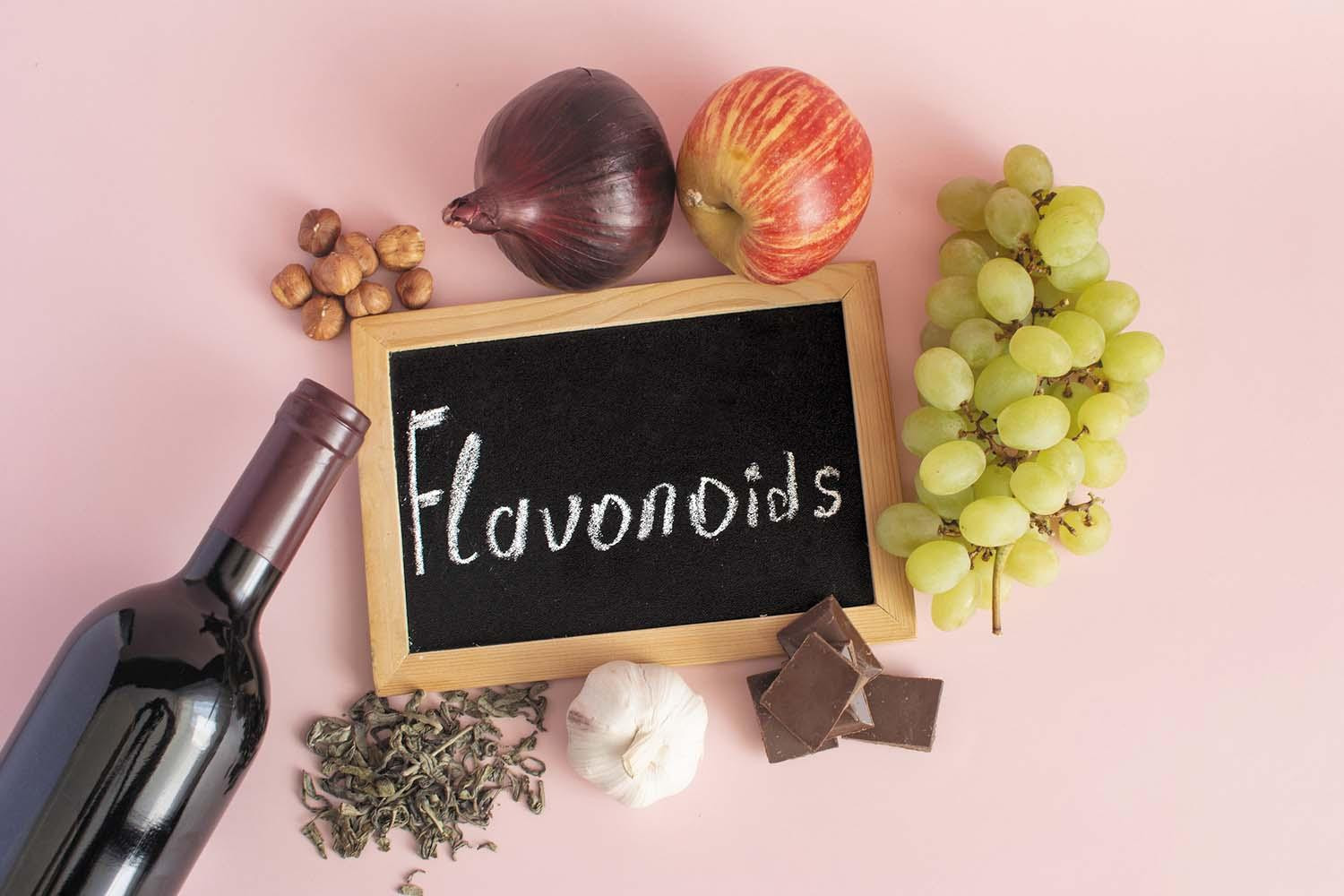
Eating diverse flavonoid foods may provide extra health protection
Eating a variety of flavonoid-rich foods may offer greater protection against cardiovascular disease and cancer than eating only a few high-flavonoid foods, according to a 2025 study.
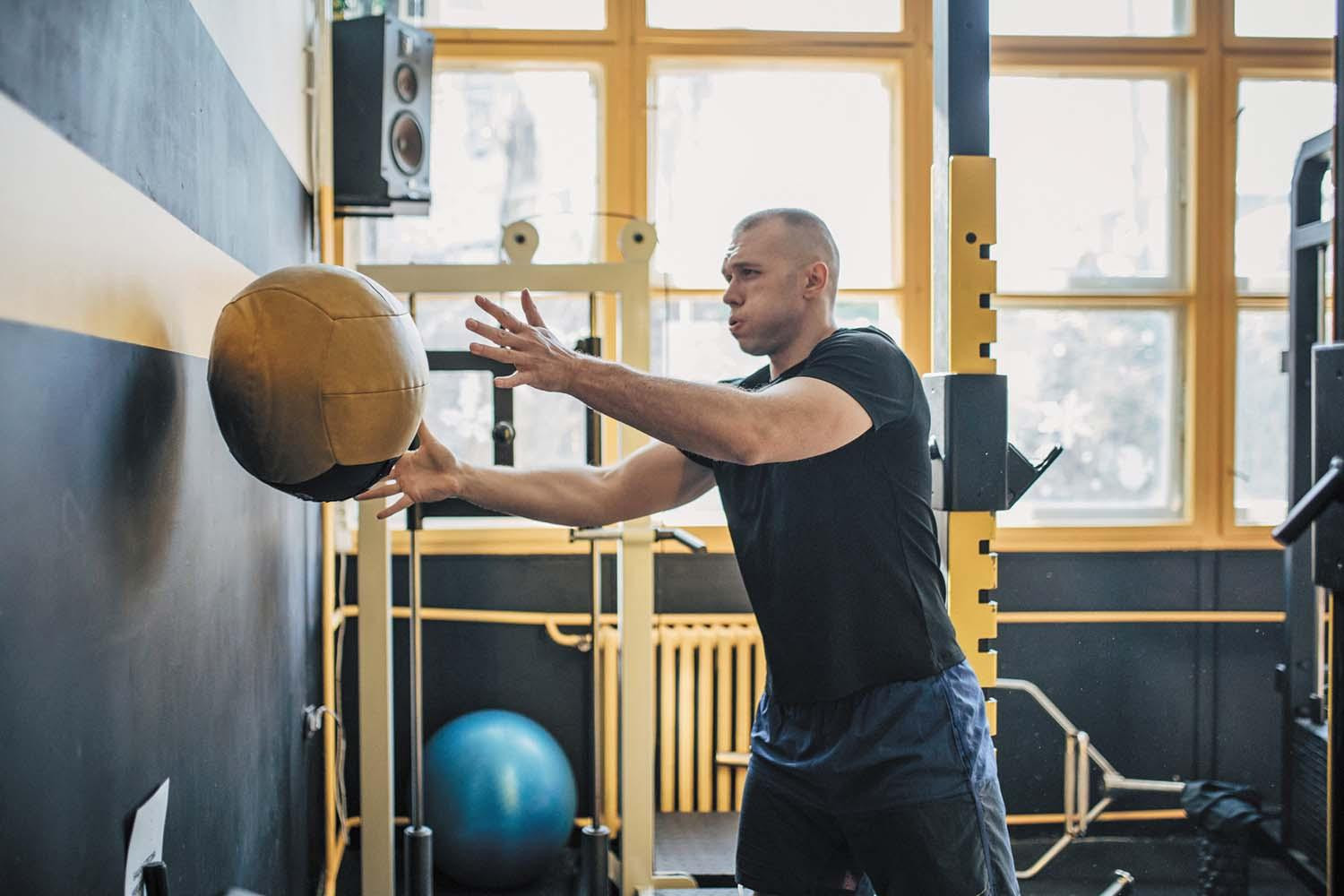
Power play
Power is the ability to generate a large amount of force in a short amount of time. It can help people to properly and safely execute many everyday movements, such as climbing stairs, lifting and carrying heavy objects, twisting, pulling, and throwing. Power also improves movement efficiency and reaction time, helping to prevent injuries from falls. Increasing overall muscle mass with regular strength training and doing plyometric exercises and explosive moves using a medicine ball can help build power.
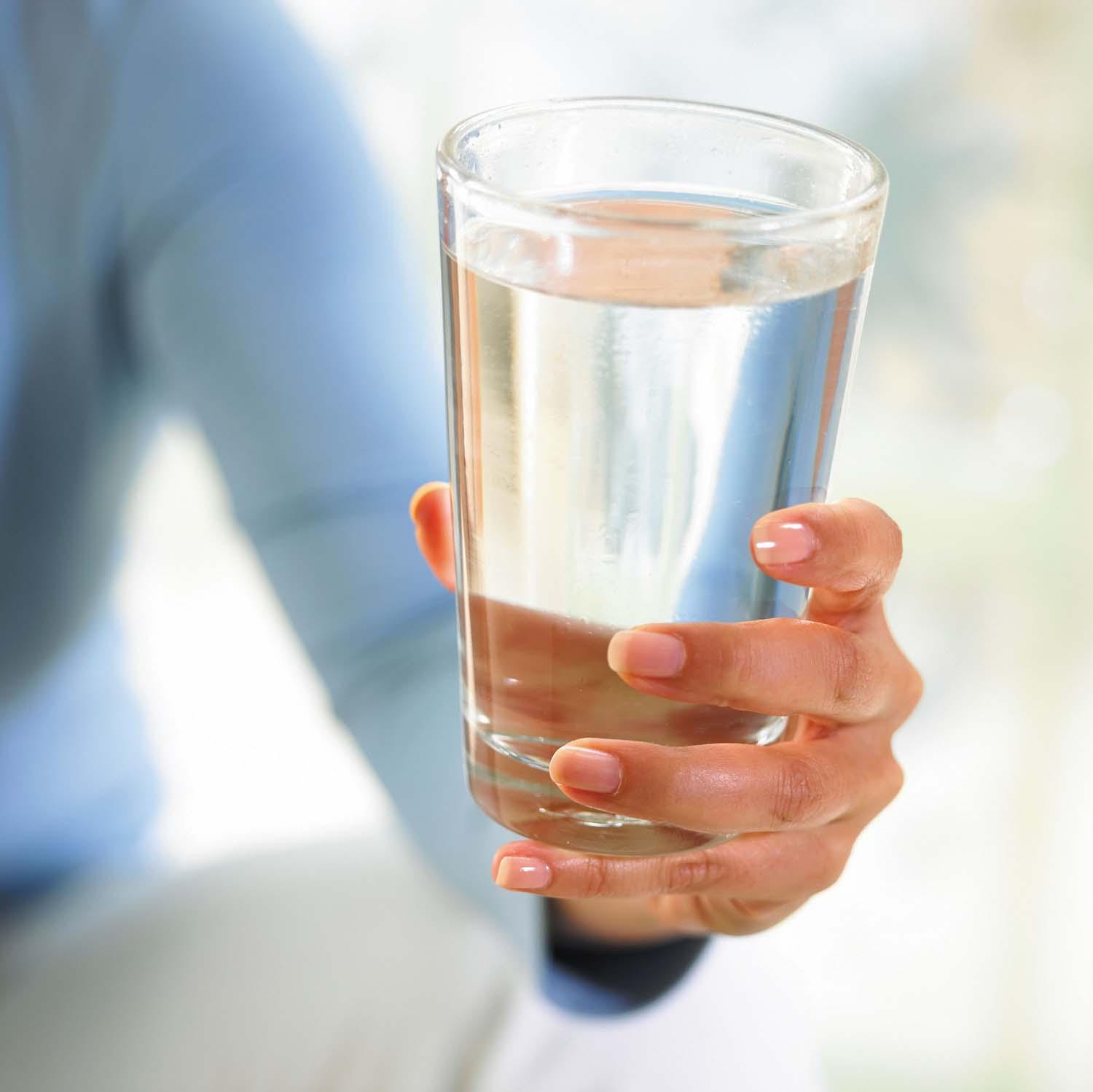
Do I need to rebalance my pH?
The body's pH level supports a variety of crucial functions. Certain health conditions can create a pH disturbance. People can support a healthy pH by eating a balanced diet featuring fruits, vegetables, whole grains, lean meat, and fish.
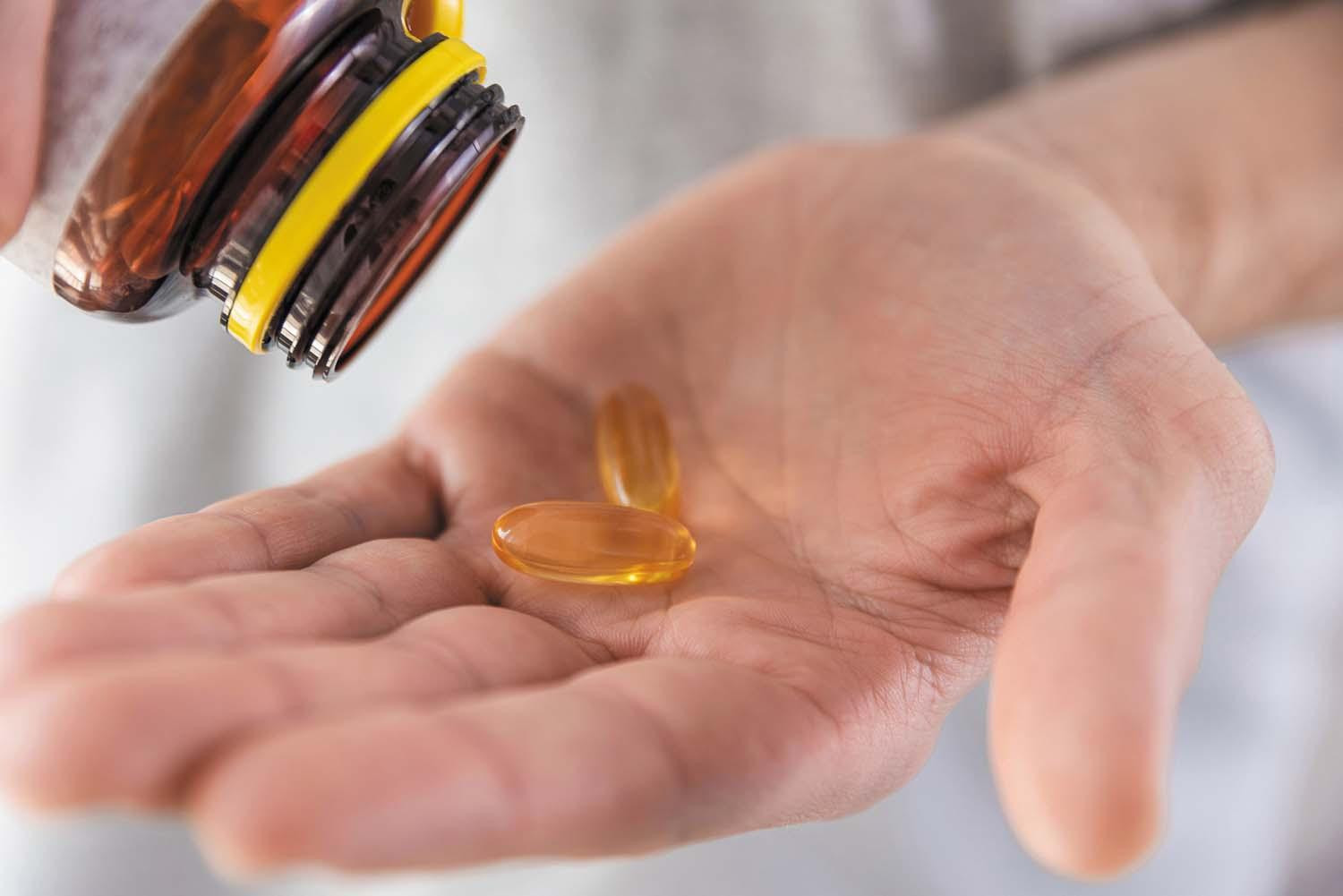
Will vitamin D supplements keep me younger?
In a 2025 randomized trial of about 1,000 people (ages 50 or older), followed for four years, those who took 2,000 international units of vitamin D3 per day showed cellular signs that suggested they were aging more slowly compared with people who did not take the supplement. It’s unclear if this benefit would continue from taking daily pills longer than four years. Scientists do know that taking vitamin D3 supplements is important for people with osteoporosis or with vitamin D deficiency (as determined by a blood test).
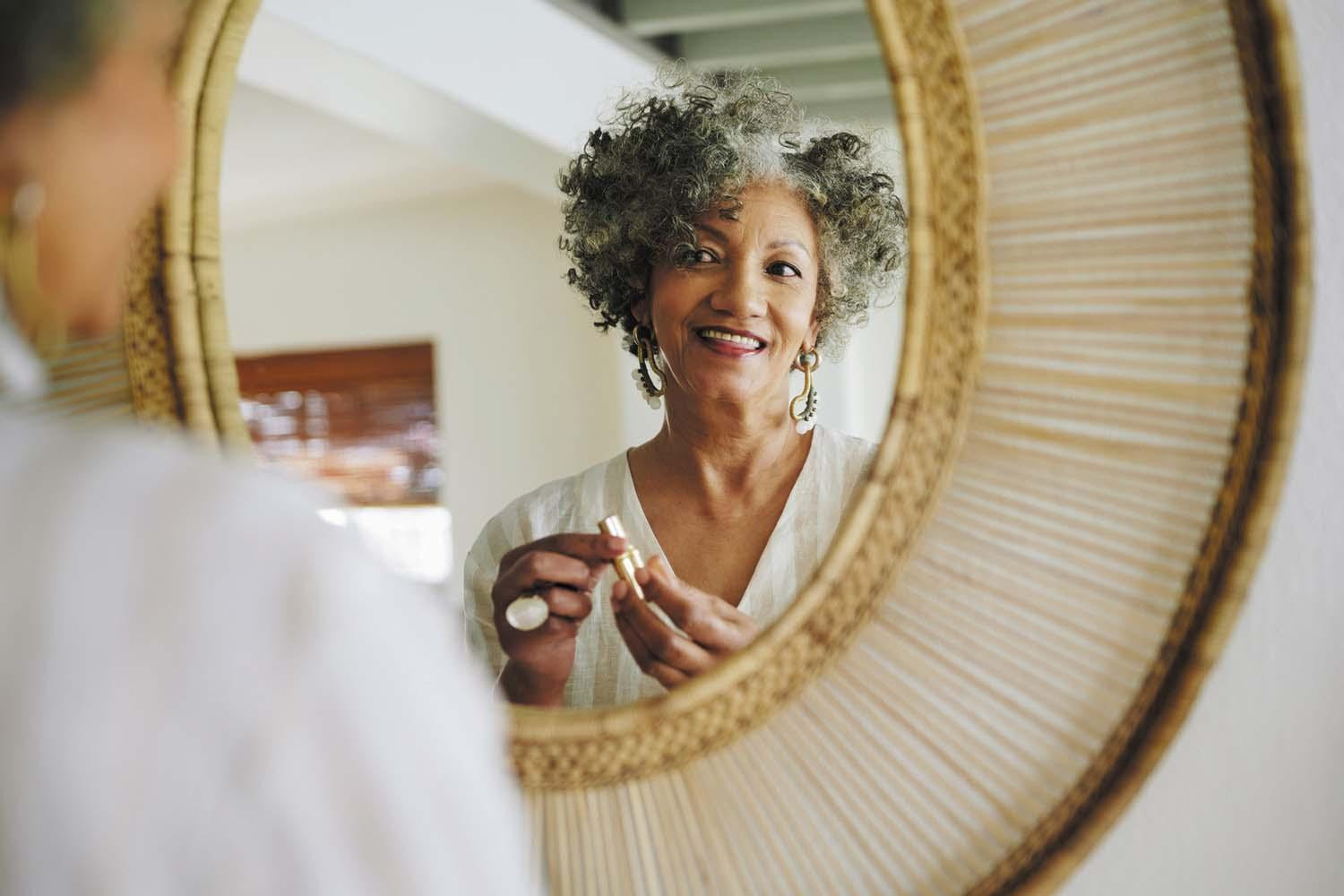
Fresh-faced through the years
With age, people develop brown spots, wrinkles, and sagging skin. Women are more likely than men to invest money and time to look younger. Sun protection and a variety of skin care products can help, including those containing alpha-hydroxy acids, retinols, vitamin C, and hyaluronic acid. Minimally invasive cosmetic procedures can also ease signs of aging. These include injections of botulinum toxin (Botox) or hyaluronic acid, laser treatments, and chemical peels. Skin care and treatments should be customized to each person.

Try this: Warm-up for walking and running
A three-step routine of leg swings, hip circles, and foot rolls can help prepare muscles and joints for running and walking and reduce the risk of soreness.
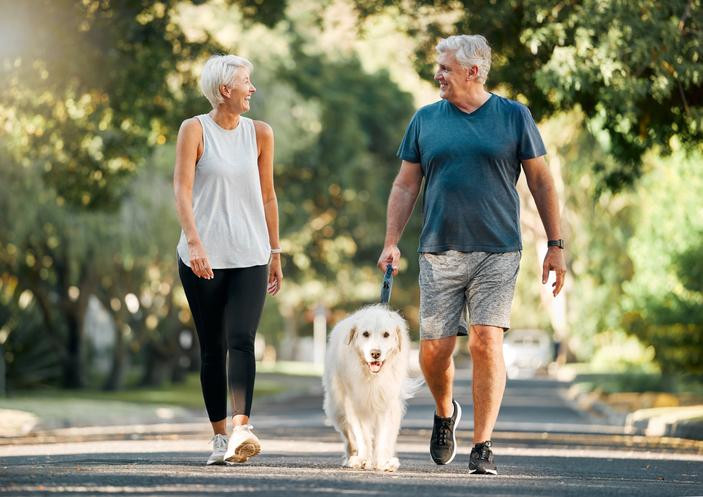
Timing and consistency of activity linked to better fitness
A 2025 study found that exercising earlier in the day (before 1 p.m.) offered more benefits like better lung and heart health and walking efficiency compared with exercising later in the day (after 4 p.m.).
CoQ10: Should you take this popular supplement if you're on a statin?
Oat vs. dairy milk: Nutrition, benefits, and downsides
Microplastics: A hidden health threat?
Healing after food poisoning
What is tempeh? Benefits, nutrition, and how to use it
Light exposure at night may raise risk for heart disease
Whole grains may improve several heart risk factors at once
A lumbar belt may help ease low back pain
Children of centenarians may stay healthier and live longer too, study finds
Signs of pneumonia: Sometimes vague and unexpected
Free Healthbeat Signup
Get the latest in health news delivered to your inbox!
Sign Up
