

CoQ10: Should you take this popular supplement if you're on a statin?

Oat vs. dairy milk: Nutrition, benefits, and downsides

Microplastics: A hidden health threat?

Healing after food poisoning

What is tempeh? Benefits, nutrition, and how to use it

Light exposure at night may raise risk for heart disease

Whole grains may improve several heart risk factors at once

A lumbar belt may help ease low back pain

Children of centenarians may stay healthier and live longer too, study finds

Signs of pneumonia: Sometimes vague and unexpected
Healthy aging and longevity Archive
Articles
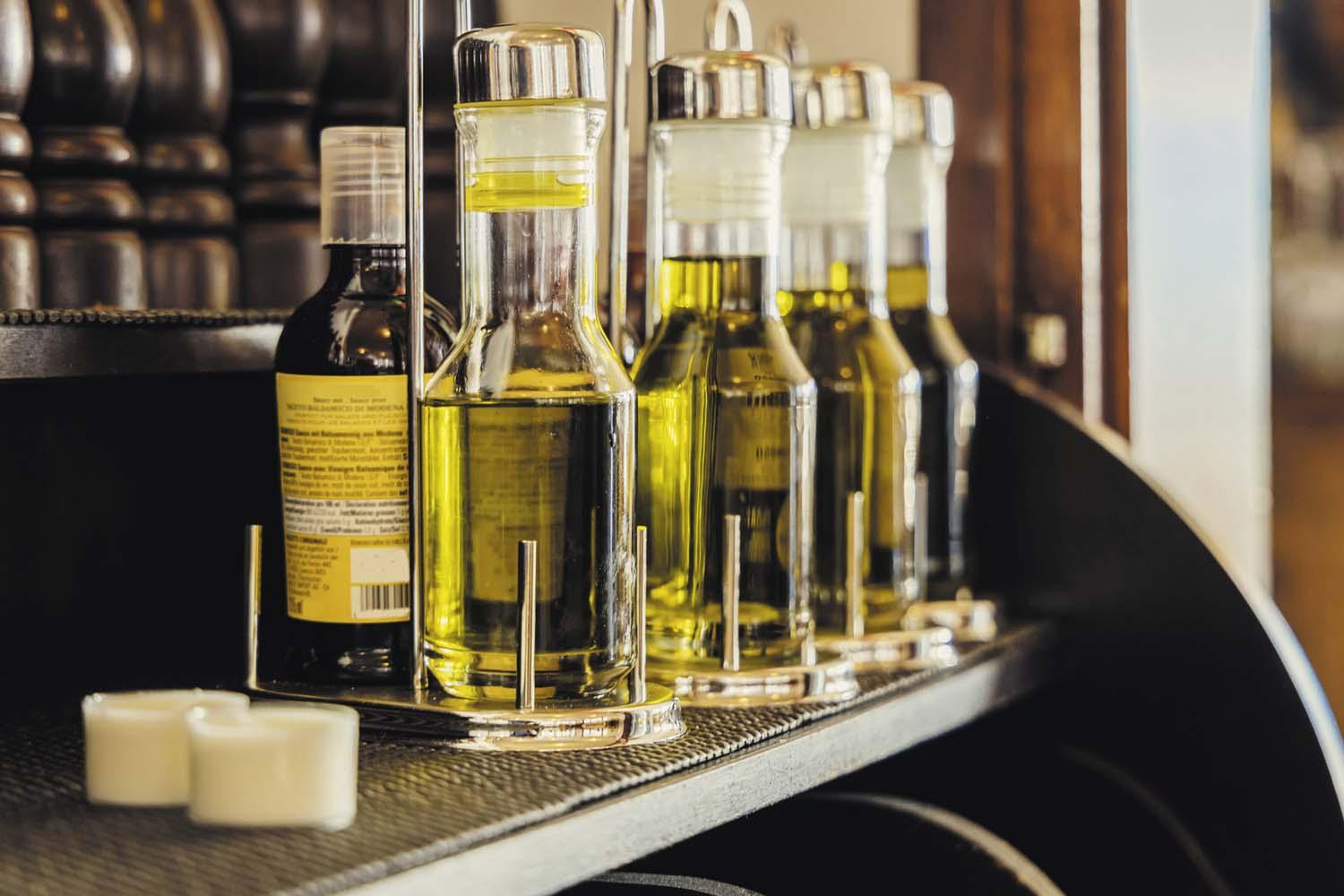
Replacing butter with plant oils may produce health benefits
A 2025 study found that replacing butter with plant-based oil such as corn, canola, soybean, or olive oil is associated with significantly lower risks of dying from cardiovascular disease or cancer.
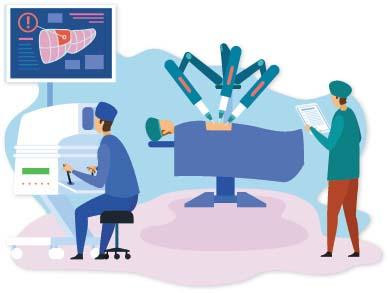
Is robotic surgery a good idea?
In robotic surgery, a surgeon controls robotic instruments that perform the operation, based on what the surgeon sees on a TV monitor. This type of surgery has many advantages: it involves small incisions, better views inside the body, and better range of motion than human hands. A research letter published in the May 2025 issue of JAMA Neurology described how robots controlled by a distant surgeon could reach in, grab, and remove blood clots stuck in a brain artery, reducing the damage from a stroke.
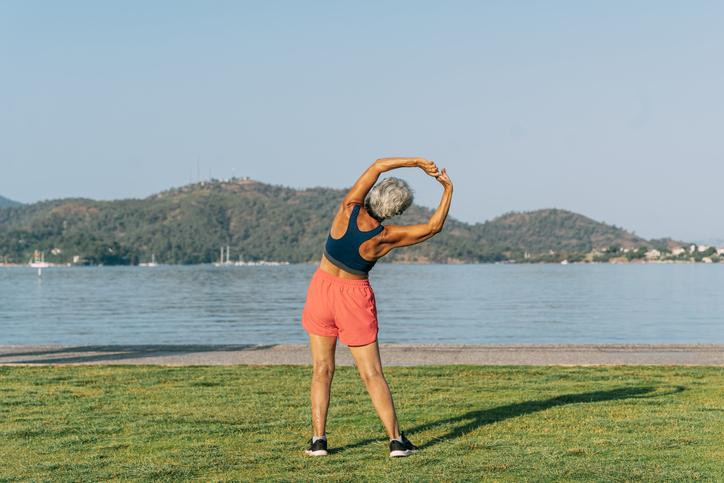
Exercise boosts colon cancer survival
In a 2025 study of about 900 people treated for colon cancer (followed for an average of eight years), people who took part in a supervised exercise program for three years had about 30% better odds of surviving, compared with people who weren't in the program.
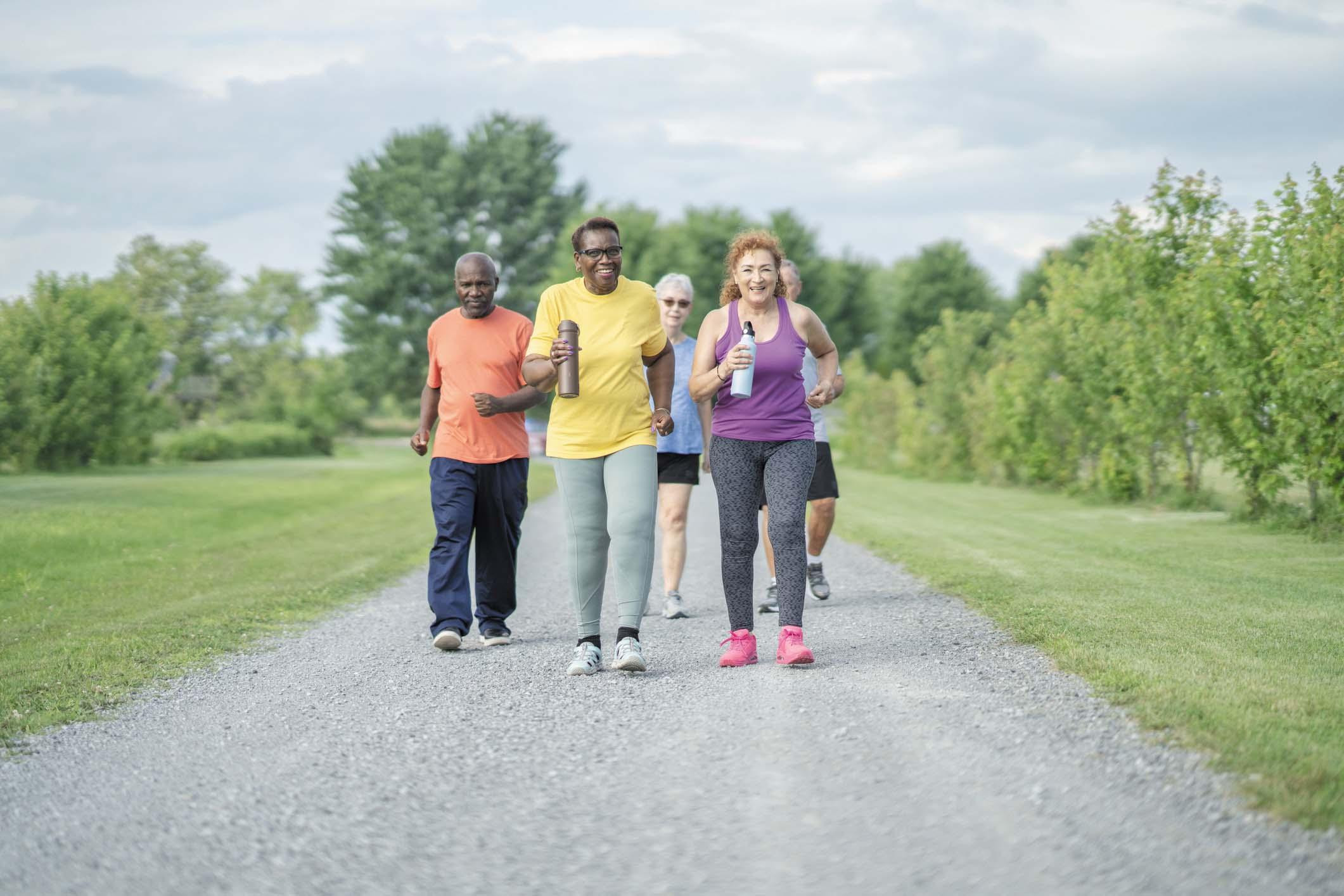
Brisk walking linked to a lower risk of abnormal heart rhythms
A 2025 study found that people who walk at an average or brisk pace (3 or more miles per hour) were less likely to develop abnormal heart rhythms than people who walk more slowly.
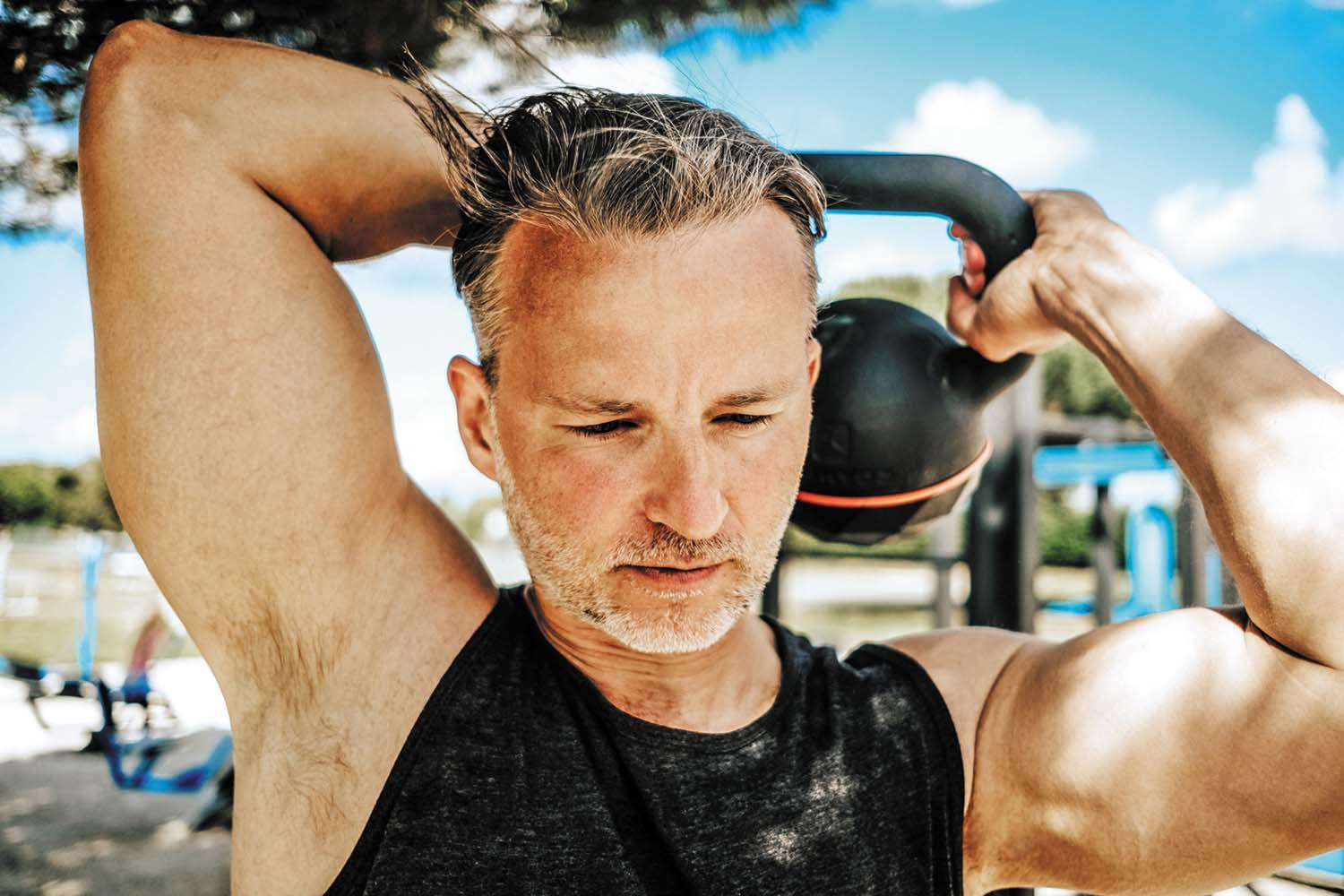
Coming full circle
Shoulder mobility is crucial for safely reaching overhead, carrying heavy items, and engaging in sports such as golf, tennis, and pickleball. Halos are one of the best exercises for improving shoulder mobility, flexibility, and strength. They can be performed with a kettlebell, a dumbbell, or even a heavy book. Halos are done by holding the weight with both hands and rotating it around the head in a circular motion, first in one direction and then the other, as if drawing a halo over the head.
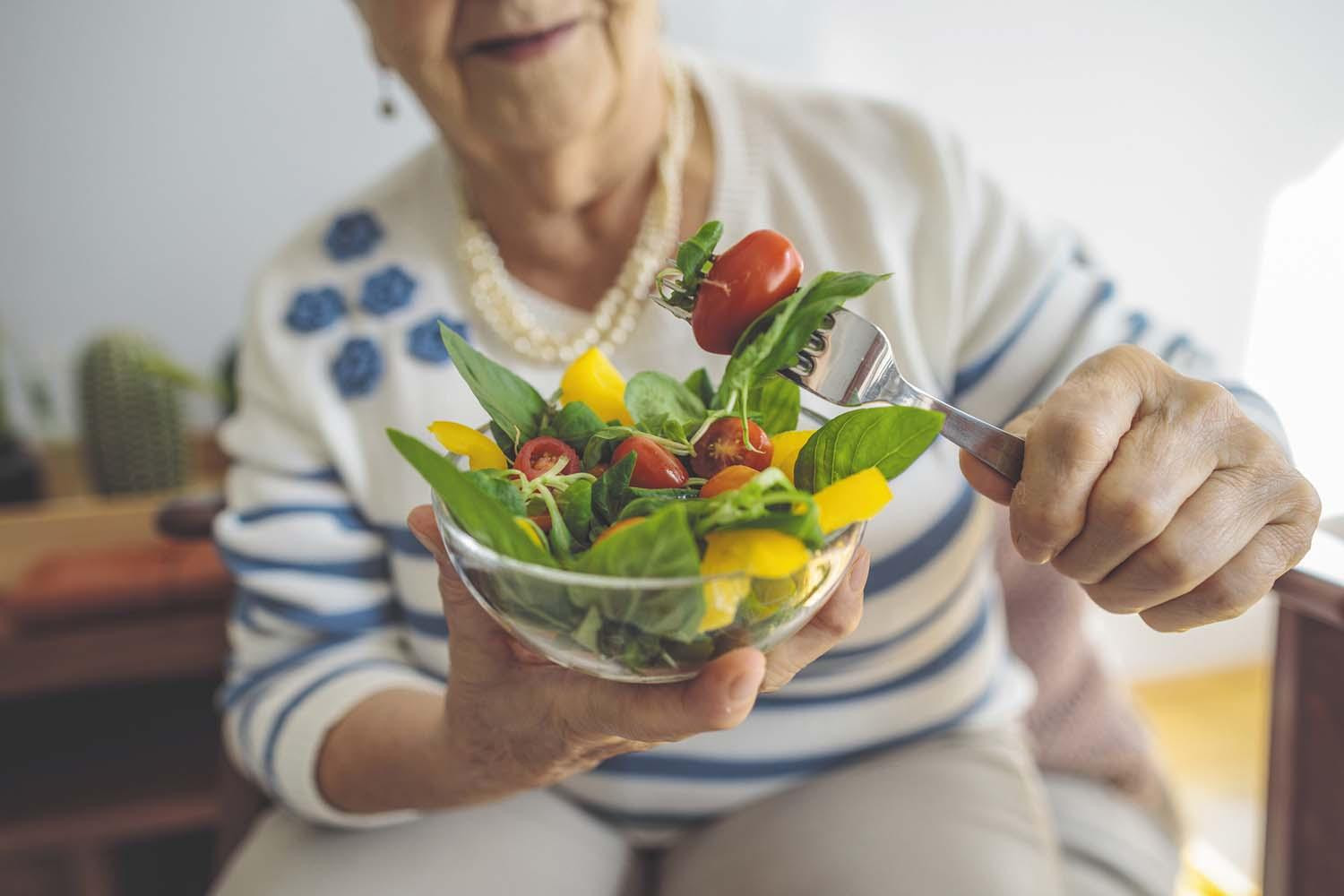
Eat a healthy diet and banish a big belly to protect your mind
In a 2025 study, people with the healthiest diets and trimmest bellies at midlife had better brain connections and skills decades later, compared with people who ate the worst diets and had the most belly fat.
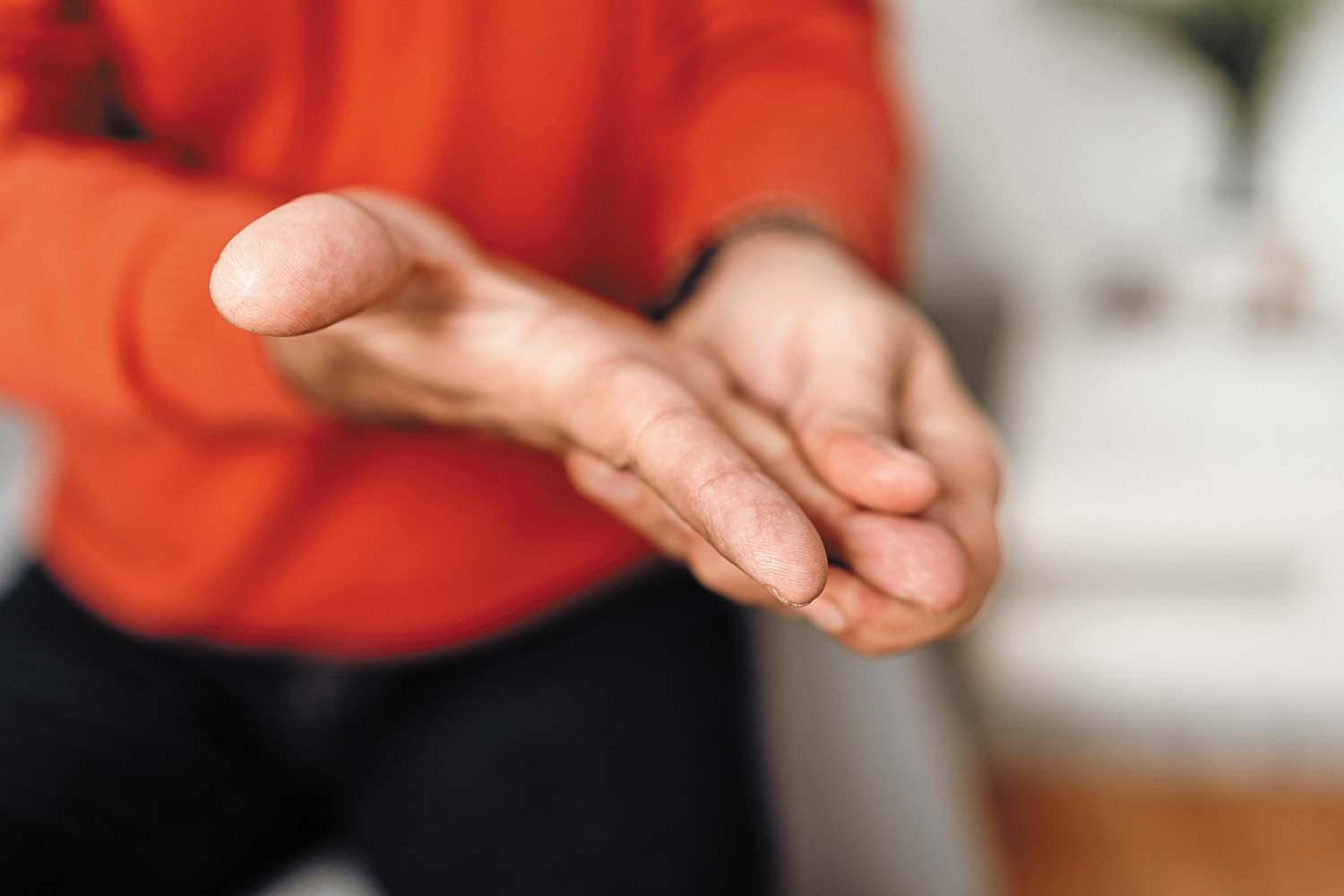
What is essential tremor?
Essential tremor is marked by involuntary shaking of one or more body parts, such as the hands, arms, legs, or head. Avoiding caffeine and stress and getting plenty of rest can be helpful. Several medications are available to ease the symptoms.

Working during retirement years
Continuing to work in retirement can address many specific health needs of men as they age, such as stronger social connection, better cognitive health, and a greater sense of purpose. Regular work has been linked with higher rates of happiness and a lower risk for multiple health conditions. For men who don't want to re-enter the workforce, options like volunteering and mentoring can offer many of the same health benefits.
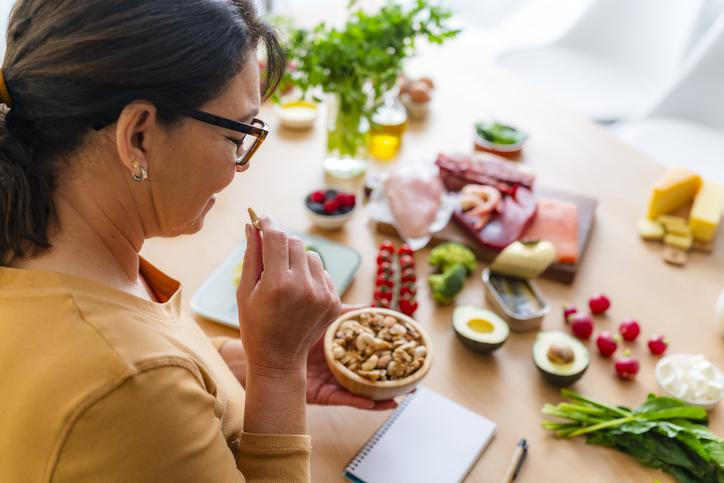
Combined with exercise, time-restricted eating may boost fat loss
A 2025 research review found that healthy adults who paired exercise with time-restricted eating lost more fat than participants who didn't restrict their eating window-without sacrificing lean muscle tissue.
Daily vitamin D supplements may help slow aging
Taking 2,000 International Units of supplemental vitamin D3 daily may help slow the cellular aging process, according to a 2025 study.
CoQ10: Should you take this popular supplement if you're on a statin?
Oat vs. dairy milk: Nutrition, benefits, and downsides
Microplastics: A hidden health threat?
Healing after food poisoning
What is tempeh? Benefits, nutrition, and how to use it
Light exposure at night may raise risk for heart disease
Whole grains may improve several heart risk factors at once
A lumbar belt may help ease low back pain
Children of centenarians may stay healthier and live longer too, study finds
Signs of pneumonia: Sometimes vague and unexpected
Free Healthbeat Signup
Get the latest in health news delivered to your inbox!
Sign Up
