

CoQ10: Should you take this popular supplement if you're on a statin?

Oat vs. dairy milk: Nutrition, benefits, and downsides

Microplastics: A hidden health threat?

Healing after food poisoning

What is tempeh? Benefits, nutrition, and how to use it

Light exposure at night may raise risk for heart disease

Whole grains may improve several heart risk factors at once

A lumbar belt may help ease low back pain

Children of centenarians may stay healthier and live longer too, study finds

Signs of pneumonia: Sometimes vague and unexpected
Healthy aging and longevity Archive
Articles
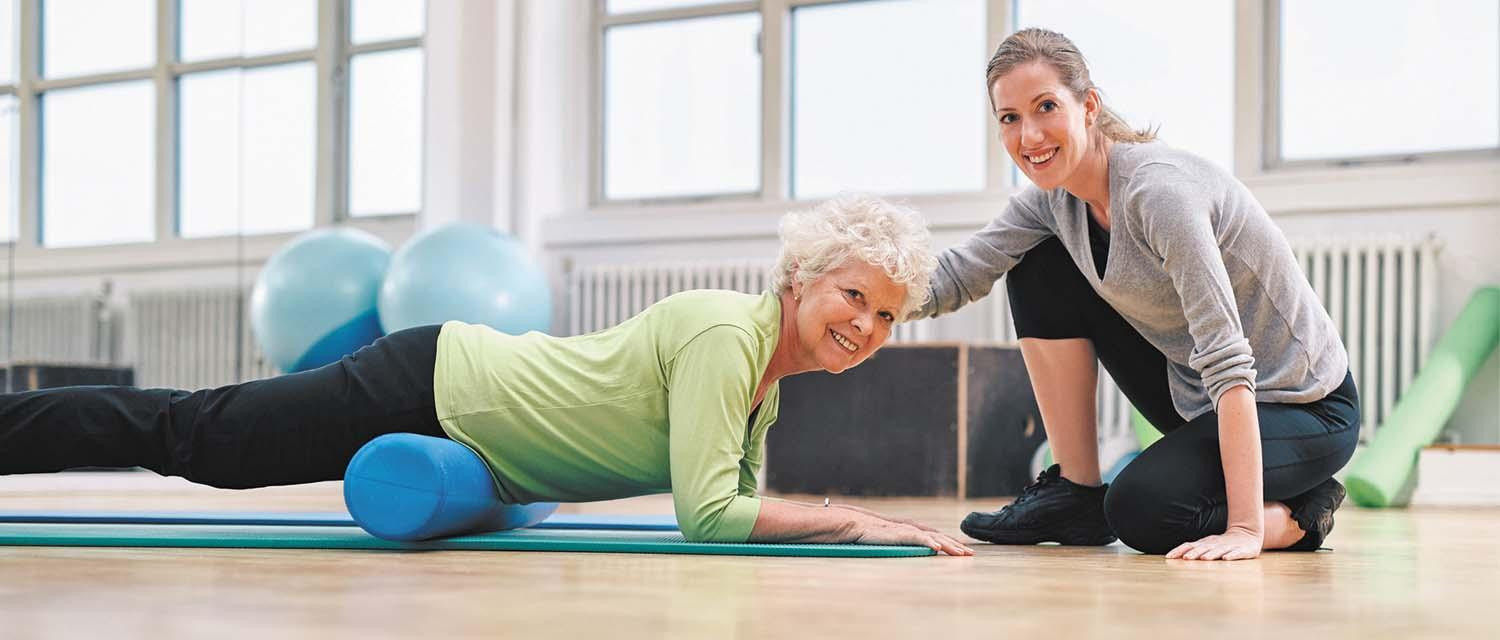
Foam rollers: Inexpensive tools with premium payoffs
A foam roller is a cylinder made of foam. When the tool is used properly, it can help reduce tension in muscles and other soft tissue. Foam rolling also helps increase flexibility, especially when used as a warm-up before exercise.
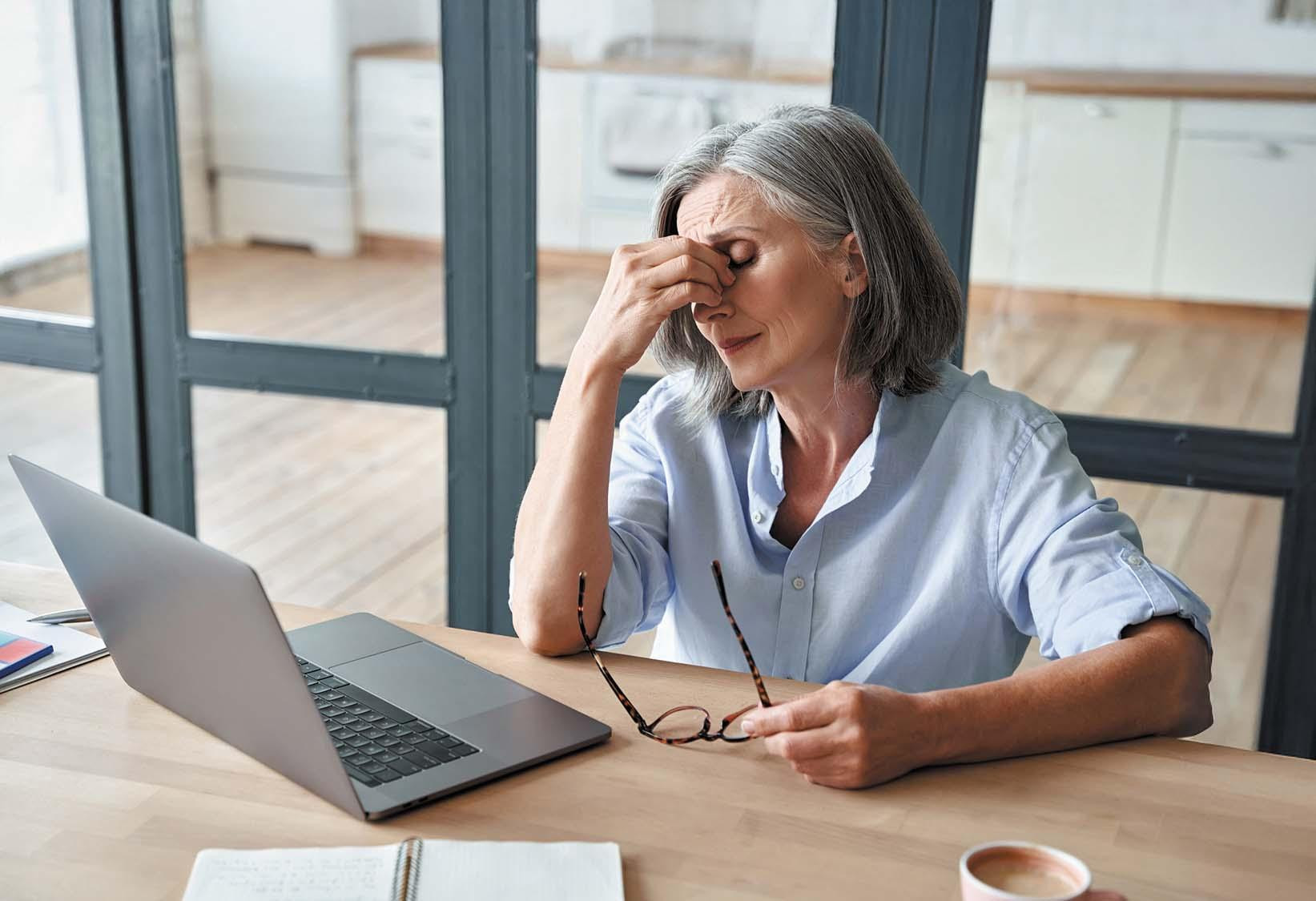
Effective tips for reducing eye strain
Many activities, such as reading small print or doing needlework, contribute to eye strain. To avoid or reduce eye strain, it helps to keep eye surfaces moist and take breaks when doing anything that requires focused close-up vision.

Yes, you can overcome malaise!
Malaise is a feeling of weakness, fatigue, or being generally unwell. Addressing underlying causes and making healthy lifestyle changes - such as exercising regularly, eating a healthy diet, and getting enough sleep - can help people with malaise feel better.
These hormone supplements are popular - but are they safe?
Synthetic dehydroepiandrosterone (DHEA) is available in various forms, including tablets, capsules, powders, creams, and gels. The supplement is marketed for "fountain of youth" effects, but evidence about its actual effects is mixed.
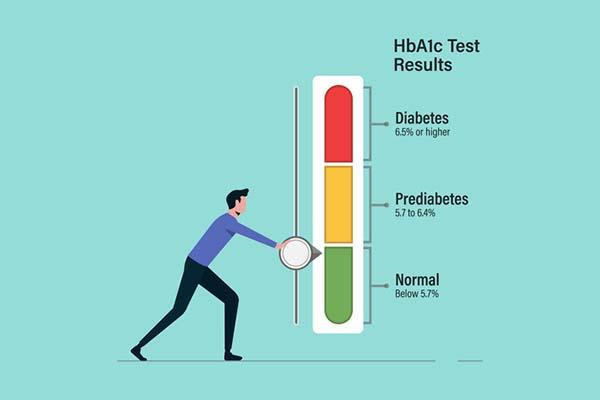
The best test to measure your diabetes risk
A hemoglobin HbA1c test is standard for anyone at risk for diabetes or anyone with diabetes. The HbA1c is a blood test that shows a person's average blood sugar levels over a three-month period.
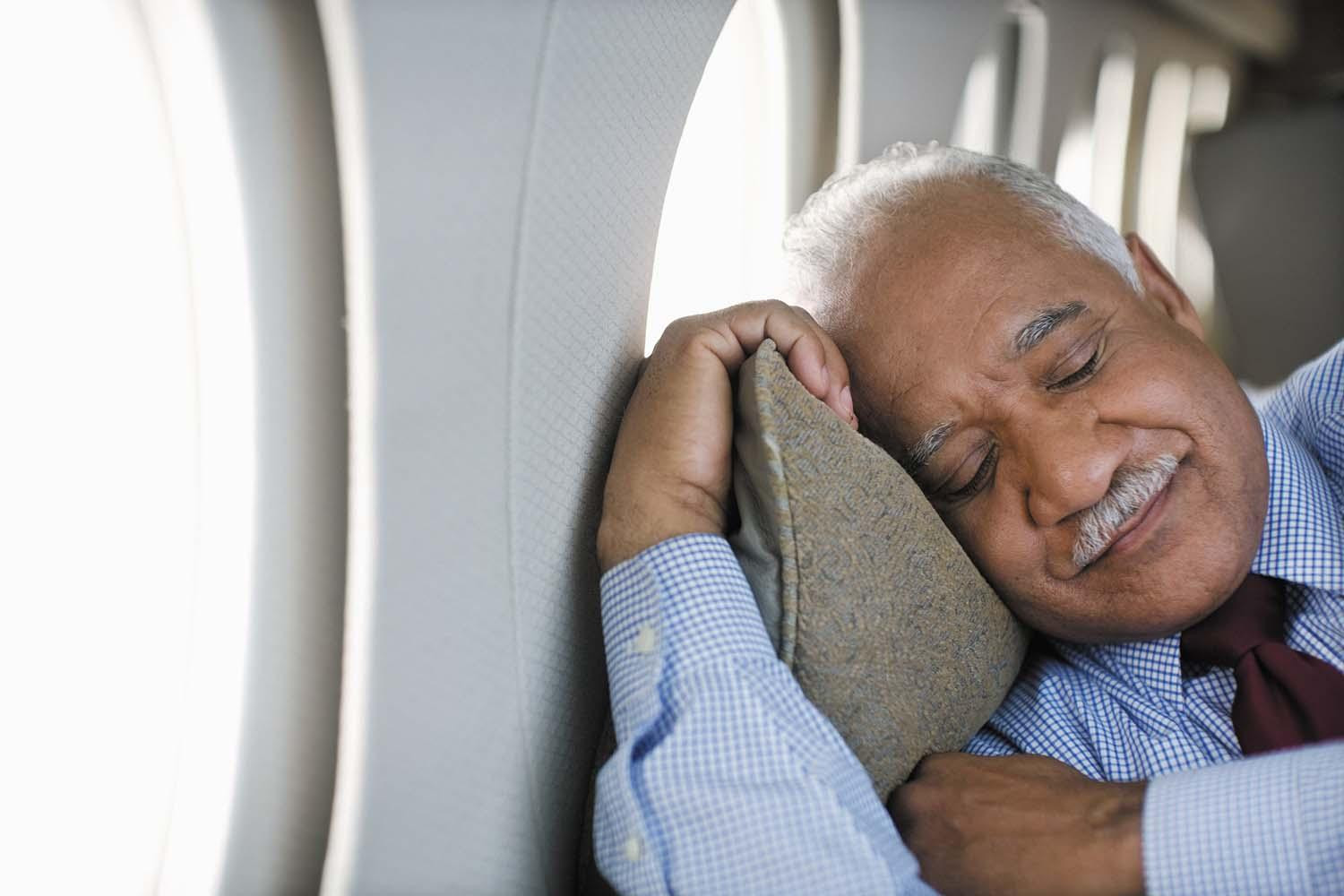
Tips to master the power nap
A power nap lasts anywhere from 10 to 30 minutes. The shut-eye can effectively increase alertness and focus, enhance mood, reduce fatigue, and possibly support work performance.
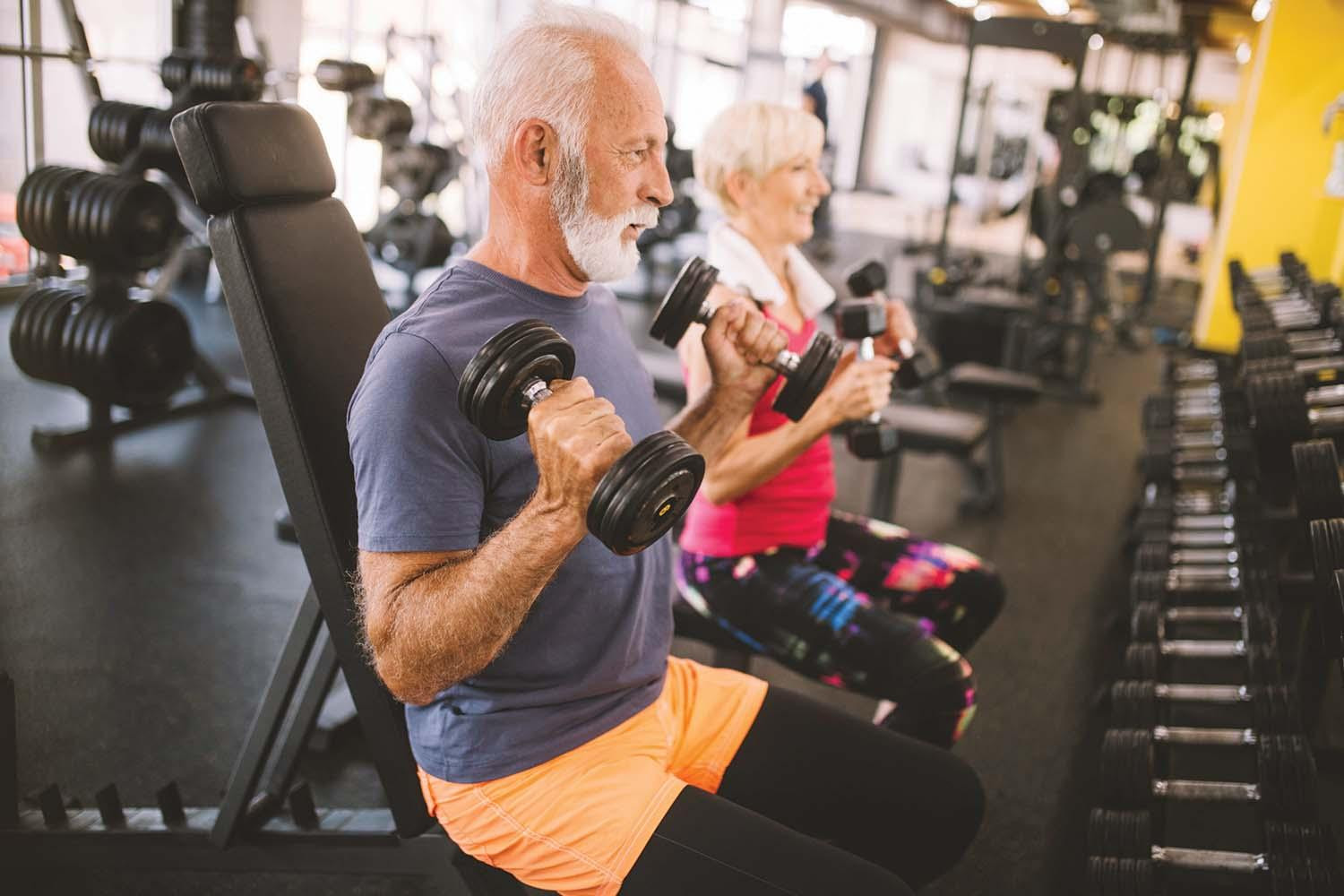
Can you increase your metabolism?
Metabolism-how your body turns food into energy-is strongly influenced by genes, but lifestyle still matters. Choosing nourishing foods, avoiding extreme diets, and building muscle through regular exercise can modestly boost calorie burning and support weight loss.
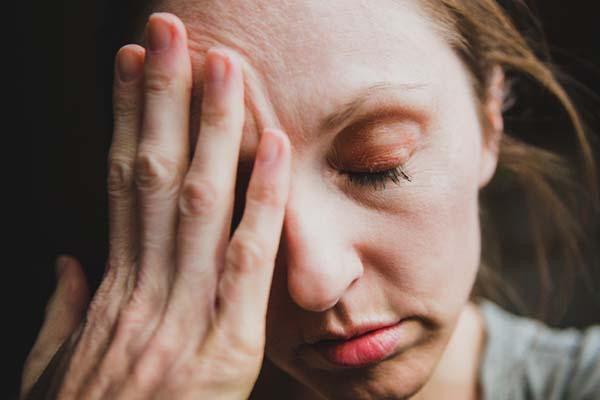
The 7 types of rest and why we need them all
People may believe that rest and sleep are synonymous, but sleep is only one form of rest. People need seven different types of rest to feel recharged. These are physical, mental, spiritual, sensory, creative, emotional, and social rest.

Tips to cultivate your joyspan
Joyspan is a term coined by gerontologist Kerry Burnright that refers to the satisfaction and well-being people experience as they move through life. Joy is associated with health benefits such as better immune function, resilience, and longevity.

CoQ10: Should you take this popular supplement if you're on a statin?
Oat vs. dairy milk: Nutrition, benefits, and downsides
Microplastics: A hidden health threat?
Healing after food poisoning
What is tempeh? Benefits, nutrition, and how to use it
Light exposure at night may raise risk for heart disease
Whole grains may improve several heart risk factors at once
A lumbar belt may help ease low back pain
Children of centenarians may stay healthier and live longer too, study finds
Signs of pneumonia: Sometimes vague and unexpected
Free Healthbeat Signup
Get the latest in health news delivered to your inbox!
Sign Up
