










How can technology help people manage their health between — and during — doctor visits?
Ask our experts
Q. What are the best ways I can use technology to stay on top of my health?
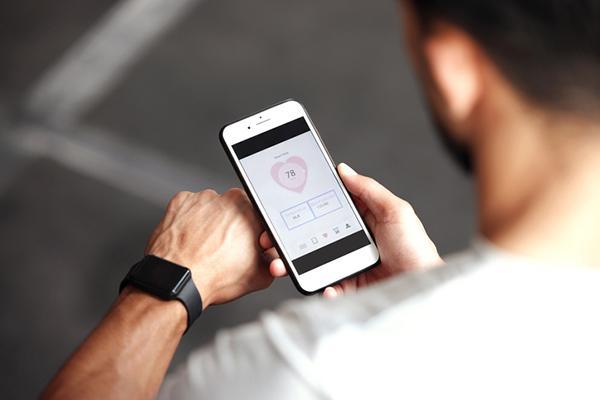
A. You’re definitely capitalizing on a trend, with 71% of adults over 50 using health-tracking apps, according to AARP. Data from apps or wearable devices can help us spot patterns, track changes, and notice potential problems earlier — information that’s valuable both between and during clinician appointments.
Between visits, the information can help you better understand your own body. By entering dietary information into an app, for instance, you can begin to see if a particular food or eating pattern affects energy levels or sleep. A wearable that estimates your sleep length and disruptions can help explain fatigue, mood changes, or problems concentrating. Tracking episodes of anxiety, digestive upsets, headaches, or other problems can reveal triggers you might otherwise miss.
Armed with these data, you’ll be poised to ask specific, pointed questions at the doctor’s office. Instead of saying you often feel tired, for example, you can show data that document potentially contributing factors — all of which can help your doctor narrow down possible causes more quickly. And gradual changes, such as a steadily rising resting heart rate — a measure captured by many wearable devices — might signal problems before they become severe.
Image: © PeopleImages/Getty Images
About the Author

Angelika Fretzen, PhD, MBA, Contributor
Disclaimer:
As a service to our readers, Harvard Health Publishing provides access to our library of archived content. Please note the date of last review or update on all articles.
No content on this site, regardless of date, should ever be used as a substitute for direct medical advice from your doctor or other qualified clinician.


