What is "sleep architecture?"
Ask our experts
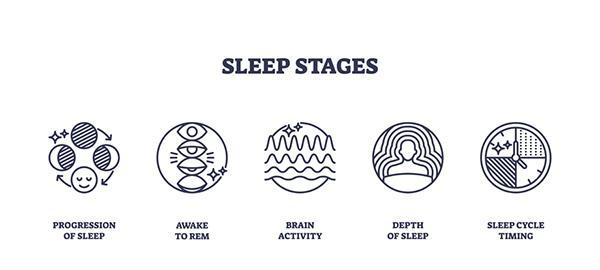
Q. I’ve heard that “sleep architecture” can affect how well I sleep each night. What is it?
A. The word “architecture” usually conjures images of buildings and the elements that distinguish one from another. In the same vein, sleep architecture is defined by the elements of normal slumber — the pattern and sequence of sleep cycles and stages.
Over a typical night, we cycle through four to six periods of light and deep sleep, including rapid eye movement (REM) sleep — when most dreaming occurs — and non-REM sleep. The length of each sleep cycle varies, but averages about 90 minutes. These cycles are also influenced by a wide array of factors such as stress, illness, and alcohol consumption.
Aging also changes our sleep architecture in marked ways. There’s a natural shift toward lighter sleep as years pass, with less time spent in restorative, deep sleep. At the same time, our circadian rhythm tends to swing, driving us toward earlier bedtimes and wake-ups. While we can’t change that component of sleep architecture, we can take steps to optimize our sleep cycles. These include keeping a consistent sleep schedule, avoiding caffeine and alcohol in the hours before bedtime, and limiting exposure to phones and other light-emitting devices in the evening.
Image: © VectorMine/Getty Images
About the Author

Kathryn Corelli, MD, Contributor
Disclaimer:
As a service to our readers, Harvard Health Publishing provides access to our library of archived content. Please note the date of last review or update on all articles.
No content on this site, regardless of date, should ever be used as a substitute for direct medical advice from your doctor or other qualified clinician.