

Oat vs. dairy milk: Nutrition, benefits, and downsides

Microplastics: A hidden health threat?

Healing after food poisoning

What is tempeh? Benefits, nutrition, and how to use it

Light exposure at night may raise risk for heart disease

Whole grains may improve several heart risk factors at once

A lumbar belt may help ease low back pain

Children of centenarians may stay healthier and live longer too, study finds

Signs of pneumonia: Sometimes vague and unexpected

The surprising link between ovarian cancer and the fallopian tubes
Healthy aging and longevity Archive
Articles

Melatonin or magnesium: Can either supplement help you sleep?
People who have trouble sleeping may take dietary supplements to ease their insomnia. Melatonin and magnesium, two popular sleep supplements, work in different ways and have varying levels of scientific support.

Denial: How it hurts, how it helps, and how to cope
Denial is a natural response at times when you’re unable or unwilling to face the facts. As a defense mechanism, it can be helpful or harmful. Here's how to spot it in yourself and others, and how to move from denial toward meaningful change.

Could sarcoidosis affect platelet levels?
A sarcoidosis diagnosis followed by ITP can raise concerns about a possible connection. Discover what may link these conditions and what remains uncertain.

What should you do if panic attacks start while taking an SSRI?
New panic attacks while taking an SSRI may prompt questions about dosage, switching medications, or adding another type of treatment.

What are the health risks of aluminum exposure?
From cookware to deodorant, aluminum is everywhere. Most people clear it efficiently from their bodies.

Two dumbbells, three exercises, and 10 minutes
With 10 minutes and a pair of dumbbells, people can do a full-body workout using a variation of high-intensity interval training (HIIT) called low-volume HIIT. With low-volume HIIT, people perform only a few sets of two to four exercises.
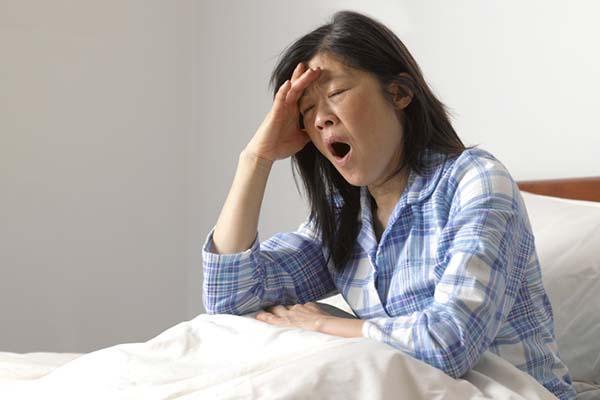
Sleep apnea symptoms in women: Why they may be overlooked
Women are less likely than men to experience loud snoring or pauses in breathing witnessed by a bed partner, two classic symptoms of obstructive sleep apnea, a condition that occurs when throat muscles relax during sleep, partially or completely blocking the airway.

Losing weight: Benefits beyond the scale
Some people who are losing weight judge the success of their efforts solely by the number on the scale. But an array of “non-scale victories” include having more energy, less joint pain, lower cancer risks, improved cholesterol and triglyceride levels, lower blood pressure, and better sleep.

How can caregiving affect your health?
Caregiving can have physical and mental effects. Explore ways to cope and find support.

What may cause erectile dysfunction in men taking blood pressure medicine?
Erectile changes can arise for many reasons over time, including shifts in health, lifestyle, aging, or other medicines being taken.
Oat vs. dairy milk: Nutrition, benefits, and downsides
Microplastics: A hidden health threat?
Healing after food poisoning
What is tempeh? Benefits, nutrition, and how to use it
Light exposure at night may raise risk for heart disease
Whole grains may improve several heart risk factors at once
A lumbar belt may help ease low back pain
Children of centenarians may stay healthier and live longer too, study finds
Signs of pneumonia: Sometimes vague and unexpected
The surprising link between ovarian cancer and the fallopian tubes
Free Healthbeat Signup
Get the latest in health news delivered to your inbox!
Sign Up
