

CoQ10: Should you take this popular supplement if you're on a statin?

Oat vs. dairy milk: Nutrition, benefits, and downsides

Microplastics: A hidden health threat?

Healing after food poisoning

What is tempeh? Benefits, nutrition, and how to use it

Light exposure at night may raise risk for heart disease

Whole grains may improve several heart risk factors at once

A lumbar belt may help ease low back pain

Children of centenarians may stay healthier and live longer too, study finds

Signs of pneumonia: Sometimes vague and unexpected
Healthy aging and longevity Archive
Articles

Quit smoking with electronic cigarettes?
On call
Q. I have tried to quit smoking many times without success. Are electronic cigarettes a good way to help break the habit?
A. Electronic cigarettes (or e-cigarettes) have gained popularity over the past few years, but their effectiveness in helping smokers quit and their long-term safety remain uncertain. E-cigarettes use a battery-powered heating element to vaporize a nicotine liquid, which is then inhaled like cigarette smoke. E-cigarettes are now available in a variety of styles with added flavors in the liquid.

Finding purpose in life
You may no longer play the role of breadwinner and family man, but there are still ways to stay engaged with life.
Image: © Ildo Frazao/Thinkstock
For most of their adult lives, men are defined by what they do and how they do it, from their chosen career to their role in the family. However, as you age, you can lose your once-defined sense of purpose — the desire to pursue goals, feel life is worth living, and have a general enthusiasm for living.
You retire, the nest empties out, and you may have accomplished most of your personal and professional goals. "What do I do for the rest of my life?" becomes a nagging question.

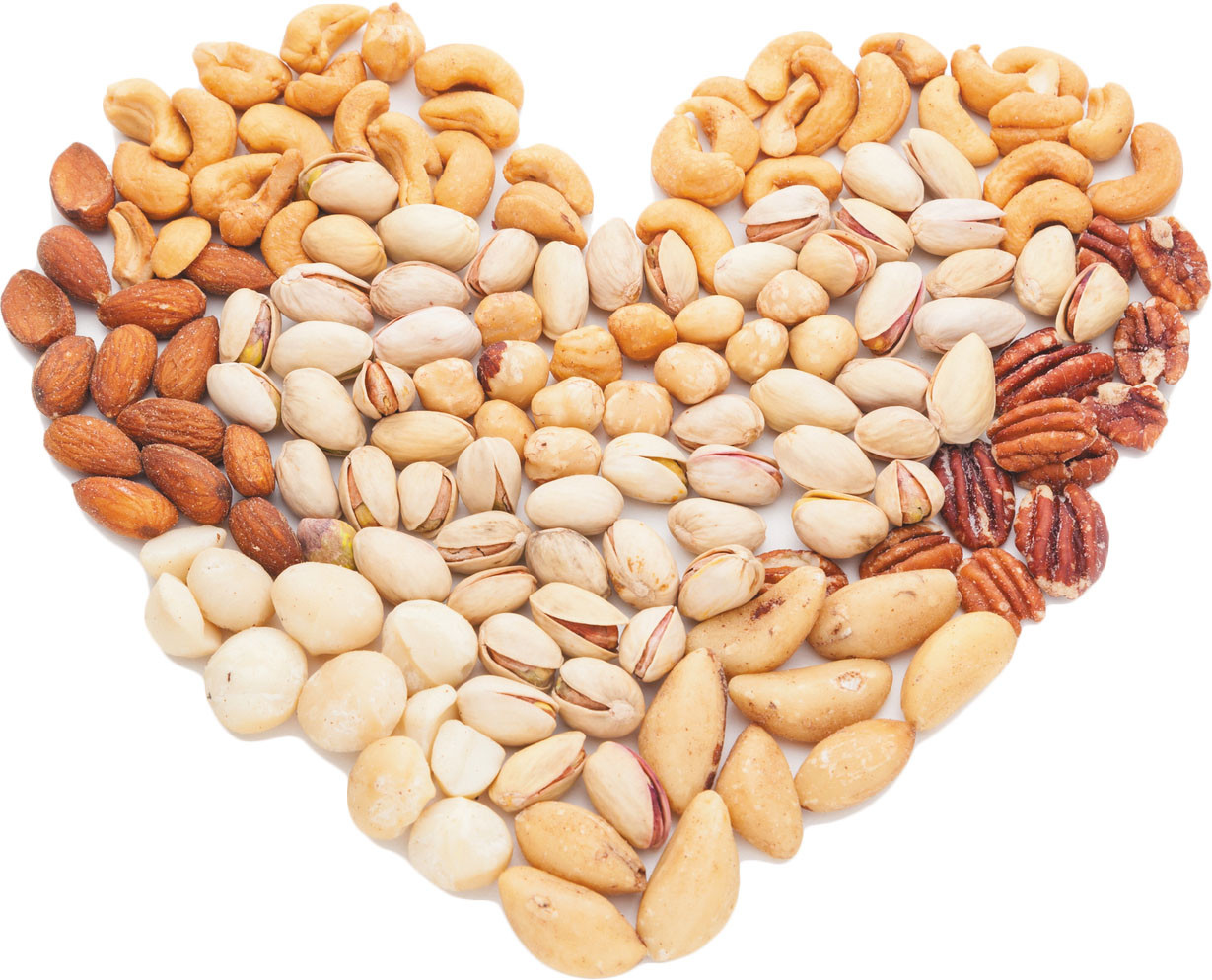
Eating a daily serving of nuts linked with lower risk of heart disease
In the journals
Image: © vorclub/Thinkstock
Eating nuts has been linked with a lower risk of heart disease. Now, the largest study to date on the subject suggests that regular consumption, and not any specific nut, offers the greatest benefit. The research, published online Nov. 13, 2017, by the Journal of the American College of Cardiology looked at more than 210,000 people who shared information on their eating habits and health over a 32-year period.
The results showed that those who ate nuts — such as peanuts or tree nuts like walnuts, almonds, and cashews — on a daily basis had a much lower risk of developing cardiovascular disease or coronary artery disease compared with people who rarely or never ate nuts.
Get moving to avoid blood clots from TV watching
In the journals
Even if you get enough exercise, you are still at risk for blood clots from too much sitting in front of the TV, according to research presented at the American Heart Association's Scientific Sessions in November 2017.
Prolonged TV viewing has already been associated with heart disease involving blocked arteries, but this is the first study in a Western population to look at blood clots in the veins of the legs, arms, pelvis, and lungs known as venous thromboembolism.

Can you make up for years of poor eating?
Even if you can't, you can still substantially reduce your risk of heart attack and stroke through lifestyle changes and certain medications.
In your 20s, maybe you sometimes chose fast-food burgers and fries over healthier foods. Perhaps in the decades that followed you pursued a series of fad diets, questionable lifestyle choices, and too many days when you skipped your workout in favor of the couch.
You're now repenting for the sins of the past, but the question is, can you undo the damage? Can you unclog clogged arteries (otherwise known as atherosclerosis) and reduce your risk of heart disease in the process?
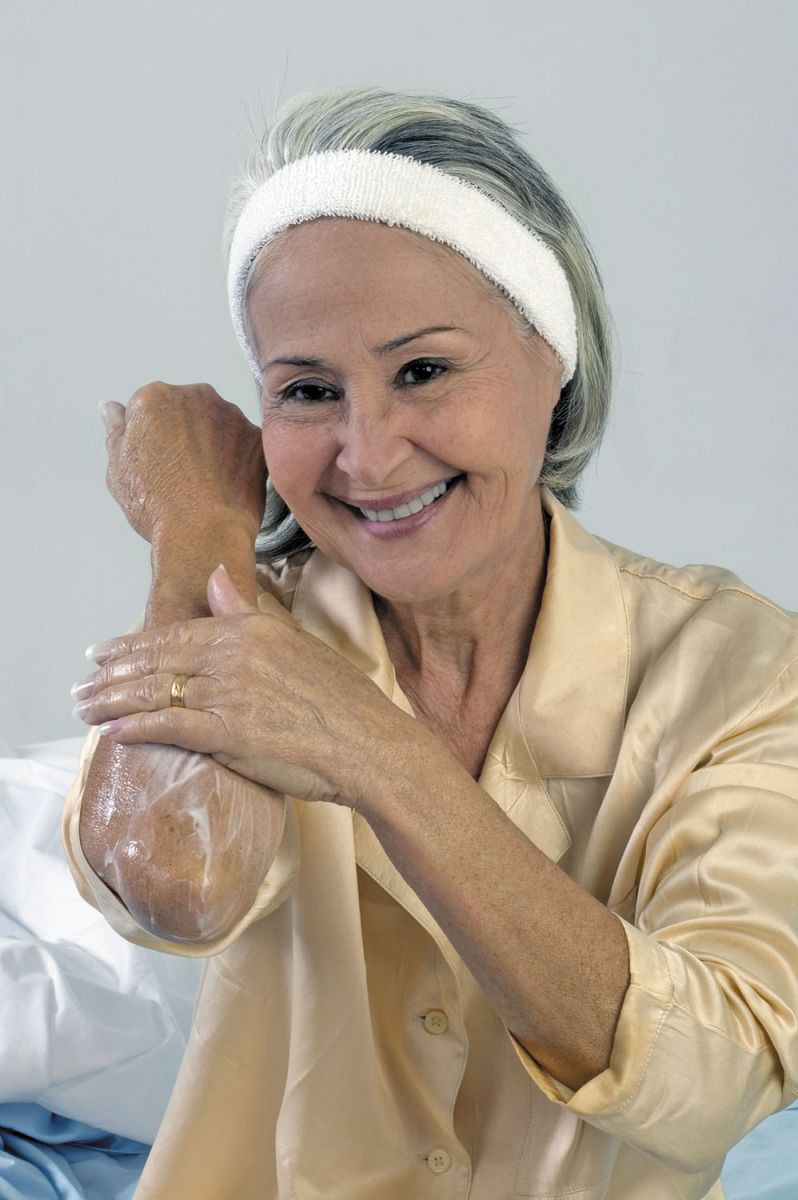
Ward off winter skin woes
Try these simple strategies to keep dry, cracking skin at bay during the cold weather.
Chapped, dry, cracked, and peeling... winter can be hard on your skin. What with the cold air and the lack of humidity, your skin spends the winter months fighting to retain moisture, not to mention fending off other insults from cold-weather staples like scratchy wool clothes and crackling wood fires.
How can your skin survive the season? We asked Dr. Barbara Gilchrest, senior lecturer on dermatology at Harvard Medical School, to weigh in with her best tips to help you protect your skin from winter dryness.
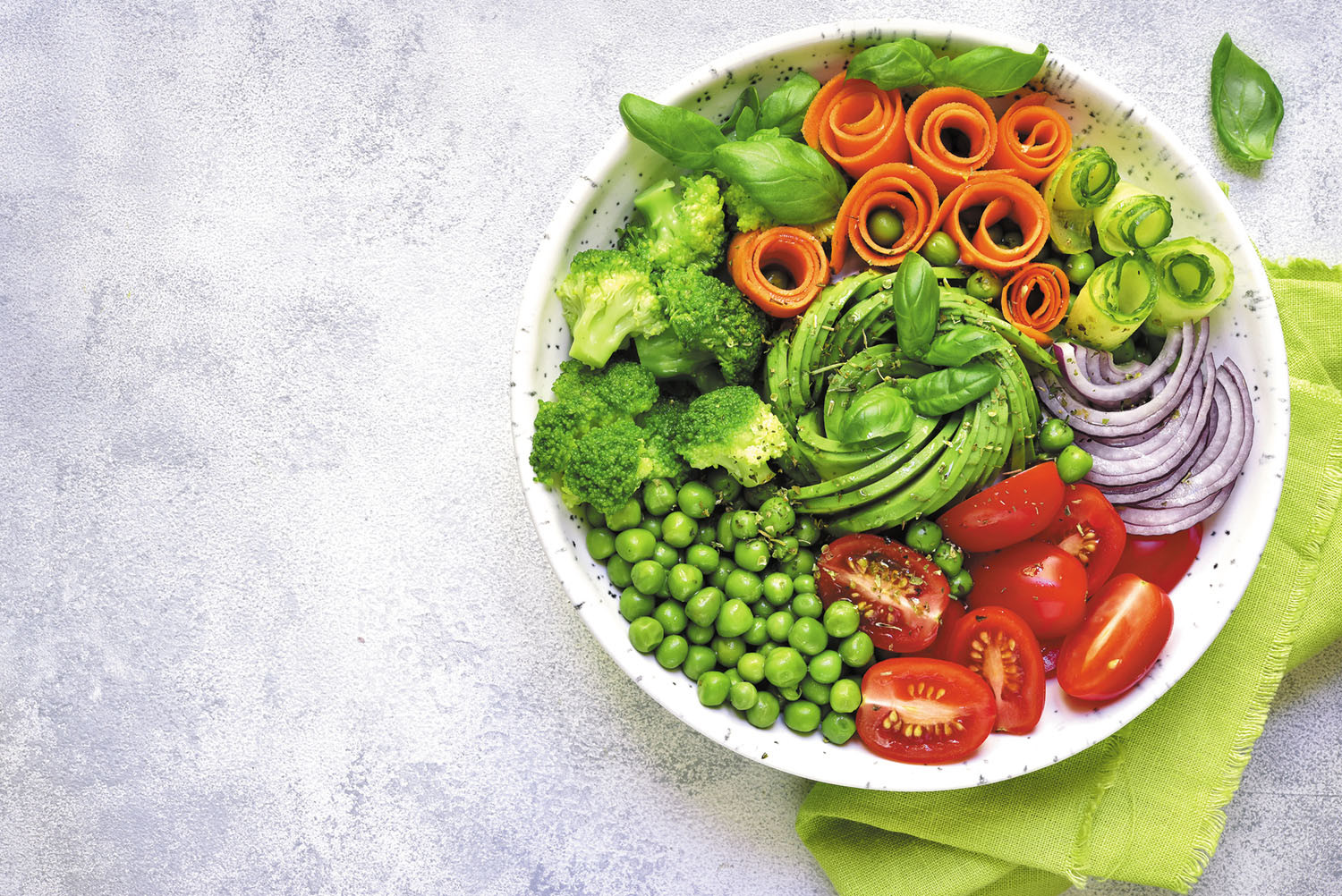
Most Americans don’t eat enough fruits and veggies
Research we're watching
Image: © Lilechka75/Thinkstock
If you’re like most Americans, you aren’t eating enough fruits and vegetables, according to the CDC. A study published in the CDC’s Nov. 17, 2017, Morbidity and Mortality Weekly Report shows only about one in 10 adults meets federal recommendations, which call for most women to eat 1.5 cups of fruit and between 2 and 2.5 cups of vegetables each day.
"In 2015, just 9% of adults met the intake recommendations for vegetables, ranging from 6% in West Virginia to 12% in Alaska. Only 12% of adults met the recommendations for fruit, ranging from 7% in West Virginia to 16% in Washington, D.C.," reported the CDC.
Millions of Americans still use tobacco products, despite risks
Research we're watching
Still smoking? You're not alone, the CDC reported in November. One in five Americans was still using tobacco products as of 2015.
Some 42 million American adults — more than 87% of the nearly 49 million tobacco product users nationwide — reported smoking cigarettes, cigars, or pipes (including hookahs and water pipes), according to data from the National Health Interview Survey, which has been studying American's smoking habits since 1965. The remaining tobacco users chose e-cigarettes, chewing tobacco, snuff, dip, snus, and dissolvable tobacco.

Don't let jet lag affect your sleep
Many people find that crossing several time zones makes their internal clocks go haywire. In addition to experiencing headaches, stomach upset, and difficulty concentrating, they may also suffer from fitful sleep.
But there's no need to waste time riding out the effects of jet lag. Try these jet lag remedies the next time you travel.
CoQ10: Should you take this popular supplement if you're on a statin?
Oat vs. dairy milk: Nutrition, benefits, and downsides
Microplastics: A hidden health threat?
Healing after food poisoning
What is tempeh? Benefits, nutrition, and how to use it
Light exposure at night may raise risk for heart disease
Whole grains may improve several heart risk factors at once
A lumbar belt may help ease low back pain
Children of centenarians may stay healthier and live longer too, study finds
Signs of pneumonia: Sometimes vague and unexpected
Free Healthbeat Signup
Get the latest in health news delivered to your inbox!
Sign Up
