

CoQ10: Should you take this popular supplement if you're on a statin?

Oat vs. dairy milk: Nutrition, benefits, and downsides

Microplastics: A hidden health threat?

Healing after food poisoning

What is tempeh? Benefits, nutrition, and how to use it

Light exposure at night may raise risk for heart disease

Whole grains may improve several heart risk factors at once

A lumbar belt may help ease low back pain

Children of centenarians may stay healthier and live longer too, study finds

Signs of pneumonia: Sometimes vague and unexpected
Healthy aging and longevity Archive
Articles

A breathing technique to help you relax
The practice of yoga incorporates many separate breathing techniques (above and beyond the coordinated breathing you do during yoga routines) that can help relax you and release tension. And many of these techniques can be done anytime, anywhere — not just during yoga class.
If you'd like to reap the benefits of these breathing techniques, start with the abdominal breathing technique described below. Once you've mastered abdominal breathing, you can then try others based on the unique benefits that each technique offers.

Should you carry the opioid overdose rescue drug naloxone?
The Surgeon General has issued an advisory recommending that people carry and know how to use naloxone, and although it is an effective treatment for overdose, it does not address the larger issues around the opioid crisis.

The health benefits of shared living
Living with others offers a way to stay independent and avoid a cascade of mental, emotional and physical health problems.
Image: © Petar Chernaev/Getty Images
Americans want to age in place. AARP research finds that nine out of 10 people ages 65 or older want to stay in their homes in their later years.
That goal isn't always achievable, because of challenges to independence such as a limited income or chronic health problems. "Sometimes it's frailty. Weakness, stiffness, and aching joints creep up on you, decrease function, and keep you from climbing stairs or taking care of yourself or your home," says Dr. Erin Stevens, a geriatrician and palliative care physician at Harvard-affiliated Massachusetts General Hospital.
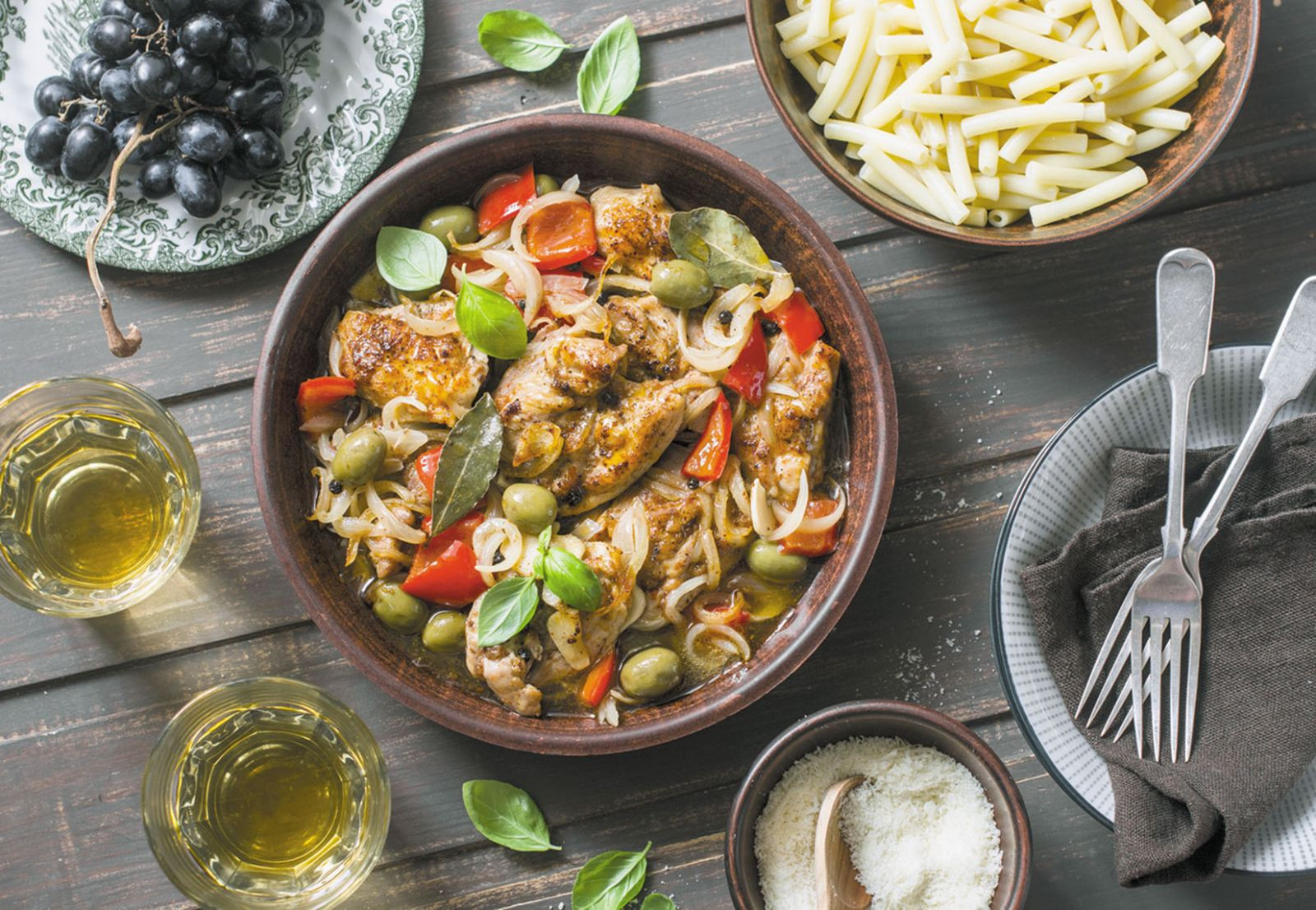
Ways to dig out of a dietary rut
Trying new foods, cooking in batches, and inviting friends to dinner give mealtime some zing.
Image: © OksanaKiian/Getty Images
You may be bored if you're eating the same foods all the time. Even worse, you may be missing out on important nutrients from foods that aren't part of your regular diet. And if that's the case, you're not alone. "I see it a lot with older adults. Their diet isn't great. They get into a rut and cook simple meals, or they rely on prepared food," says dietitian Teresa Fung, adjunct professor in the nutrition department at the Harvard T.H. Chan School of Public Health.
Why the rut?
There are many reasons why people get into a menu rut or stop eating healthy, nutritious foods in older age. It may be that you're

Managing your medications before a medical procedure
You may need to stop taking blood thinners, certain painkillers, herbs, and supplements to reduce your risk for bleeding.
Image: © Steve Debenport/Getty Images
No one wants to have surgery, even minor surgery, but sometimes minor procedures, such as a tooth extraction or a colonoscopy, are unavoidable. When that happens, you may hear that it's important to stop taking certain medications. Understanding exactly which drugs to suspend — and when — can be confusing. "I get a lot of questions about this," says Joanne Doyle Petrongolo, a pharmacist at Harvard-affiliated Massachusetts General Hospital.
Blood thinners
All surgery involves cutting body tissue, and that leads to bleeding. Blood thinners—medications like anticoagulants and antiplatelet drugs—can boost the risk for bleeding by keeping the blood from clotting.

Mom was right: Don't wolf down your dinner
News briefs
Image: © Rawpixel Ltd/Getty Images
Here's a simple way to try to control your weight: take more time to eat your meal. It's one of several strategies that appeared to help people in a study published online Feb. 12, 2018, by BMJ Open. Researchers analyzed about six years' worth of health insurance claims and doctor visit details for 60,000 Japanese men and women with type 2 diabetes. The doctor visits included questions about how quickly people ate their meals. People who ate slowly were 42% less likely to be obese than people who gulped down their food. The study was only observational and therefore can't prove that eating slowly caused weight loss, but other studies have reported similar findings. Also, it takes about 15 minutes after you start to eat for the "getting full" signals to reach your brain — and a person can eat a lot of calories in 15 minutes. So slow down and savor every bite. For more information, check out the Harvard Special Health Report 6-Week Plan for Healthy Eating (www.health.harvard.edu/swp).
More reasons to get your hearing checked
News briefs
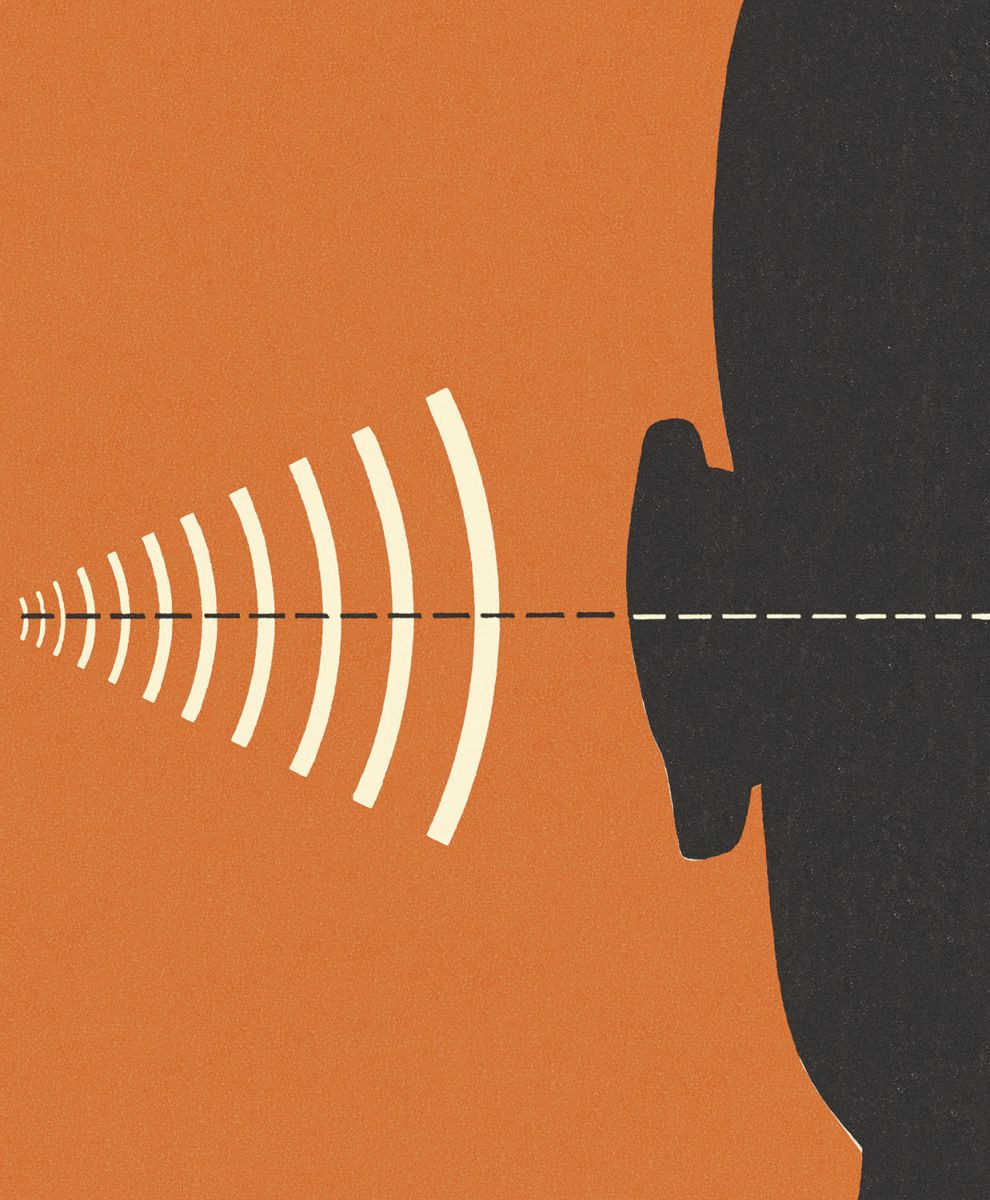
Hearing loss is a common and serious disability that can take you out of conversations and put you at risk for depression and isolation. Two recent studies from JAMA Otolaryngology–Head & Neck Surgery suggest that hearing loss is also connected to several other conditions. One study of national health surveys, published online Jan. 25, 2018, found that hearing loss was associated with heart failure: 75% of people ages 70 or older with heart failure also had hearing loss. The other study, published online Dec. 7, 2017, evaluated 36 studies that included more than 20,000 people who'd had hearing and cognition tests. Scientists found that age-related hearing loss was significantly associated with a decline in all areas of thinking skills and with developing dementia. These studies were observational, so they don't prove that hearing loss causes thinking problems or heart failure. But they're a reminder of the importance of having hearing loss checked out. The problem can sometimes be resolved without hearing aids if it's being caused by earwax, an ear infection, or an abnormal bone growth.
Image: © CSA-Printstock/Getty Images

Straight talk about your voice
Men can experience voice changes as they age, but there are ways to protect and improve your speaking tone.
It's common as you age for your voice to change, a condition called presbylaryngis, or aging of the larynx. The result is often that annoying raspy, hoarse tone commonly known as "old age" voice.
"Over many years, we talk, yell, and sing a lot. Eventually, this causes the vocal folds to become weak or damaged, and your voice loses its range and quality," says Barbara Wilson Arboleda, a speech and language pathologist with a specialty in voice at Harvard-affiliated Massachusetts Eye and Ear. "This can make daily communication an issue, as it requires greater effort to speak and be understood, which may cause many older men to become more withdrawn and isolated."
Balancing act
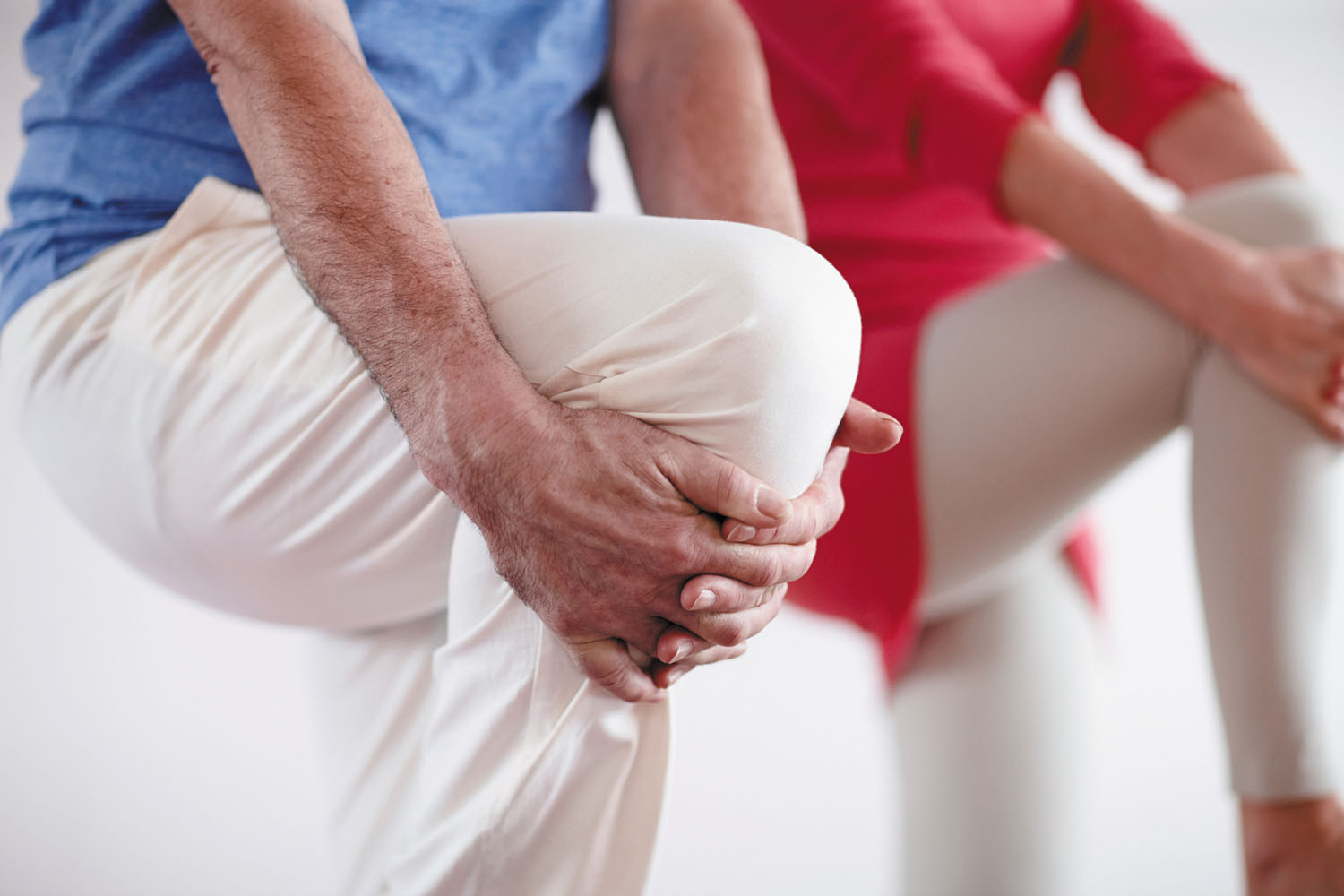
Falls continue to be the leading cause of injuries among older adults. Practicing balance exercises can help keep you steady.
Image: © laflor/Getty Images
Every year, about one-quarter of adults older than age 65 experience at least one accidental fall. The impact of a fall can be devastating. About 20% of falls result in a serious injury like broken bones in the wrist, arm, and ankle; hip fractures; and head injuries. Surgery or rehabilitation may be needed, which may impair your mobility. A fall also could cause psychological trauma and make you fearful of being active.
"You want to do whatever you can to avoid a fall," says Dr. Adam Tenforde, a sports medicine physician at Harvard-affiliated Spaulding Rehabilitation Hospital.

Losing weight helps your partner slim down, too
In the journals
Image: © FlyMint Agency/Getty Images
People who make an effort to lose weight can help their partner do the same, according to a study published online Feb. 1, 2018, by Obesity.
The study tracked the weight-loss progress of 130 couples over six months. The couples were divided into two groups. In one group, one member of the couple was enrolled in a Weight Watchers program that provided in-person counseling and online tools to assist with weight loss. In the second group, one member of the couple received a four-page handout with information on ways to lose weight, like healthy eating, exercise, and weight-control strategies.
CoQ10: Should you take this popular supplement if you're on a statin?
Oat vs. dairy milk: Nutrition, benefits, and downsides
Microplastics: A hidden health threat?
Healing after food poisoning
What is tempeh? Benefits, nutrition, and how to use it
Light exposure at night may raise risk for heart disease
Whole grains may improve several heart risk factors at once
A lumbar belt may help ease low back pain
Children of centenarians may stay healthier and live longer too, study finds
Signs of pneumonia: Sometimes vague and unexpected
Free Healthbeat Signup
Get the latest in health news delivered to your inbox!
Sign Up
