

CoQ10: Should you take this popular supplement if you're on a statin?

Oat vs. dairy milk: Nutrition, benefits, and downsides

Microplastics: A hidden health threat?

Healing after food poisoning

What is tempeh? Benefits, nutrition, and how to use it

Light exposure at night may raise risk for heart disease

Whole grains may improve several heart risk factors at once

A lumbar belt may help ease low back pain

Children of centenarians may stay healthier and live longer too, study finds

Signs of pneumonia: Sometimes vague and unexpected
Healthy aging and longevity Archive
Articles

3 simple ways to get more restful sleep
Even people without insomnia can have trouble getting a good night's rest. Many things can interfere with restorative sleep — crazy work schedules, anxiety, trouble putting down the smartphone, even what you eat and drink.
The following three simple steps can help you sleep better.

3 posture tips to get the most out of a core workout
Good posture is important, even during exercise. Quick posture checks before and during a core exercise routine can help you avoid injury and squeeze the biggest benefit from your workout. Here is what you need to know:
- Stand up straight. When instructions for an exercise ask you to stand up straight, that means keeping your:
- chin parallel to the floor
- shoulders even (roll them up, back, and down to help achieve this)
- arms at your sides, elbows relaxed and even
- abdominal muscles pulled in
- hips even
- knees even and pointing straight ahead
- feet pointing straight ahead
- body weight evenly distributed on both feet.
- Stay in neutral. Neutral alignment means keeping your body in a straight line from head to toe except for the slight natural curves of the spine. Whether you're standing or seated, that means your spine is not flexed or arched to overemphasize the curve of the lower back. One way to find neutral is to tip your pelvis forward as far as is comfortable, then tip it backward as far as is comfortable. Neutral is roughly in the middle. If you're not used to standing or sitting up straight, it may take a while for this to feel natural. A neutral wrist is firm and straight, not bent upward or downward.
- Get the angle. When angles appear in exercise instructions, visualize a 90-degree angle as an L. To visualize a 30-degree angle, mentally slice the 90-degree angle into thirds, or picture the distance between a clock's minute hand and hour hand at one o'clock.
Achieving and maintaining good posture during your workouts takes a little practice. If possible, look in a mirror when exercising. Try to take a few moments each day to practice better posture, too.

The Art of Aging Well - Longwood Seminar
Is age just a number? How will medical and technology advances redefine biological aging? In this seminar, learn more about research led by scientists at Harvard Medical School about what healthy aging means, and explore discoveries that could help to improve the experience of aging.
Each spring, Harvard Medical School's Office of Communications and External Relations organizes a series of four free "mini-med school" classes for the general public in the heart of Boston's Longwood Medical Area. At the end of the seminar series, participants who attend three out of the four sessions receive a certificate of completion. Topics are selected for their appeal to a lay audience and have included the human genome, nutrition, sleep dynamics and health care access. Faculty from Harvard Medical School and its affiliate hospitals volunteer their time to present these lectures to the community.
Bridging East and West: New Frontiers in Medicine - Longwood Seminar
Mind-body medicine is providing new models for wellness and therapy by combining conventional and complementary approaches to treatment. At this seminar, a panel of Harvard Medical School faculty will discuss this quickly developing approach that may help shape the future of medicine.
Each spring, Harvard Medical School's Office of Communications and External Relations organizes a series of four free "mini-med school" classes for the general public in the heart of Boston's Longwood Medical Area. At the end of the seminar series, participants who attend three out of the four sessions receive a certificate of completion. Topics are selected for their appeal to a lay audience and have included the human genome, nutrition, sleep dynamics and health care access. Faculty from Harvard Medical School and its affiliate hospitals volunteer their time to present these lectures to the community.
Weighing the Facts of Obesity - Longwood Seminar
Obesity among children and adults dramatically increases the risk of chronic illnesses such as heart disease and type 2 diabetes. What are the contributing factors that lead to being overweight? In this seminar, Harvard Medical School doctors and researchers will address the stigma that surrounds obesity and discuss concrete methods, including changes to sleep and diet, that could help scale back this growing problem.
Each spring, Harvard Medical School's Office of Communications and External Relations organizes a series of four free "mini-med school" classes for the general public in the heart of Boston's Longwood Medical Area. At the end of the seminar series, participants who attend three out of the four sessions receive a certificate of completion. Topics are selected for their appeal to a lay audience and have included the human genome, nutrition, sleep dynamics and health care access. Faculty from Harvard Medical School and its affiliate hospitals volunteer their time to present these lectures to the community.

Clean out your pantry, clean up your health
Say goodbye to foods high in refined carbohydrates, sodium, and added sugars.
Image: © fcafotodigital/Getty Images
They say the journey of a thousand miles starts with a single step. And if you're looking to eat a healthier diet, the first few steps should include a stroll over to the pantry.
Inside, you may find staples of the standard American diet: foods in boxes, bags, cans, and jars, brimming with refined grains, salt, added sugars, or saturated fat.

Working later in life can pay off in more than just income
Benefits such as mental stimulation and social engagement are associated with staving off chronic disease.
Image: © Rawpixel/Getty Images
Punching a time clock is still part of the regular routine for an increasing number of older adults. They're staying employed or going back to work, even though they're beyond the traditional retirement age of 65.
"For well over 100 years, men had been retiring at earlier and earlier ages. Something shifted in the 1990s, and they began working longer. The story for women is different. They weren't always in the labor force. But now we see employment rates rising for women at every age," says Nicole Maestas, an associate professor of health care policy at Harvard Medical School. She studies the economics of aging, health, and disability.
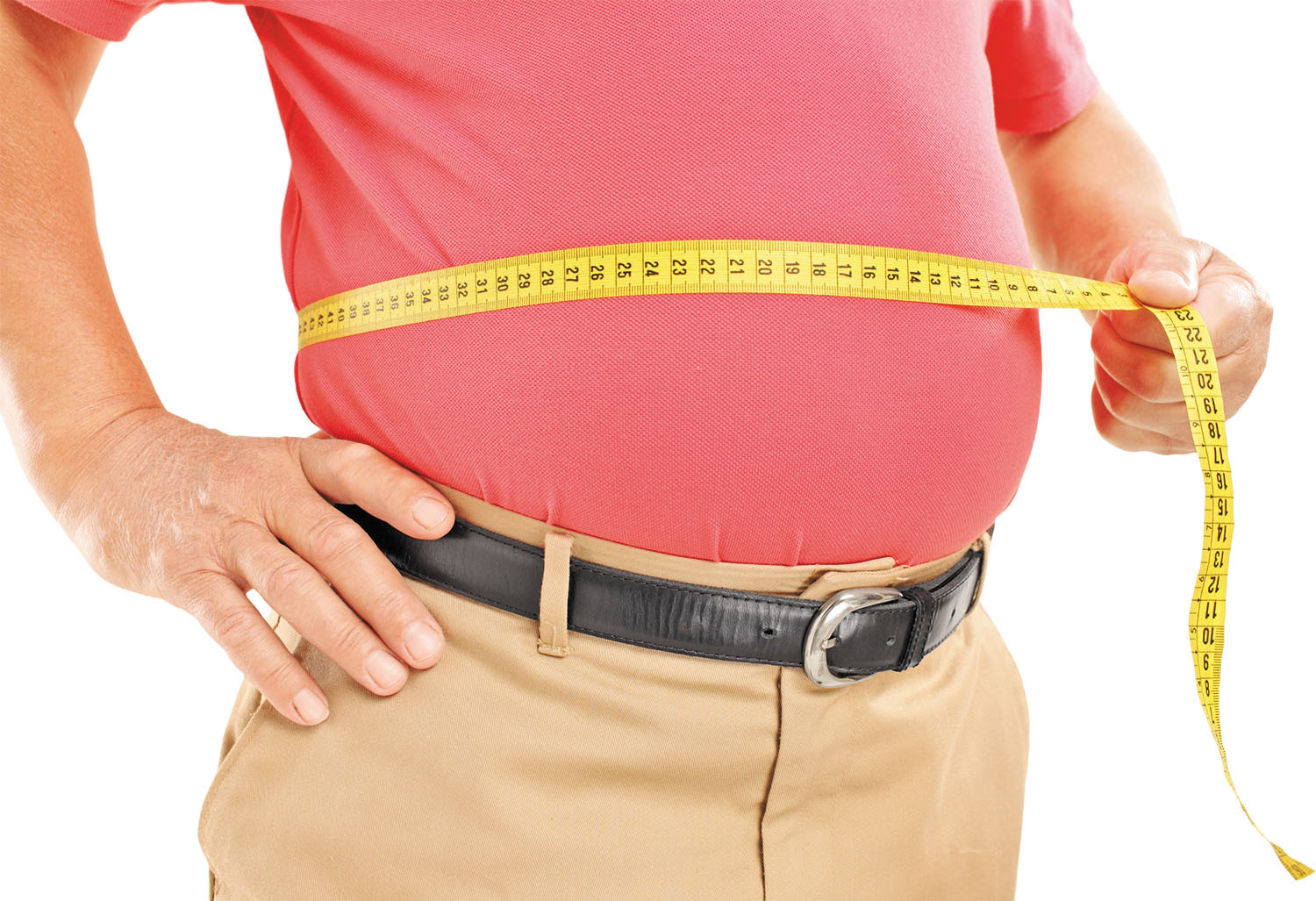
Fat at the waistline linked to increased fall risk
News briefs
Image: © Ljupco/Getty Images
Are you an apple or a pear? Older adults who carry their weight around their middle (in an apple shape) may have a higher risk for falls than people who carry their weight around their hips (in a pear shape), according to a study published online Feb. 9, 2018, by the American Journal of Preventive Medicine. An apple shape is known as central obesity. When researchers looked at the two-year fall histories of about 3,400 people ages 65 or older, it turned out that people with central obesity were 37% more likely to fall than people who didn't have central obesity. Scientists speculate that the increased risk was the result of a higher center of gravity for the people with central obesity. Also noteworthy: some people had a normal body mass index (a measure that takes into account both your height and weight), even though they also had central obesity (a big belly). The study was only observational and doesn't prove that central obesity causes falls. But we already know that a large waist is associated with a higher risk for developing heart disease, stroke, and diabetes. Men should aim for a waist circumference less than 40 inches, and women should aim for less than 35 inches.

Baby boomers: Don’t forget hepatitis C screenings
News briefs
Baby boomers are falling short in getting hepatitis C screenings. In 2012, the CDC urged the entire generation of people born from 1945 to 1965 to get this simple blood test, noting that baby boomers are five times more likely to have the virus than other adults. But a study published online March 27, 2018, by the journal Cancer Epidemiology, Biomarkers & Prevention found that only about 13% of baby boomers had been tested by 2015, up just one percentage point from 2013. The information came from national government health surveys. Hepatitis C can lead to cirrhosis, liver damage, liver cancer, and liver failure. Treatments are now available that can cure hepatitis C, if it's caught early enough. Baby boomers are believed typically to have become infected in the 1960s through the 1980s, when transmission of hepatitis C was highest. People at highest risk are those who have used intravenous drugs, had more than one sex partner, or received a blood transfusion before 1992, when the blood test for hepatitis C was first available.
Image: © juststock | GettyImages
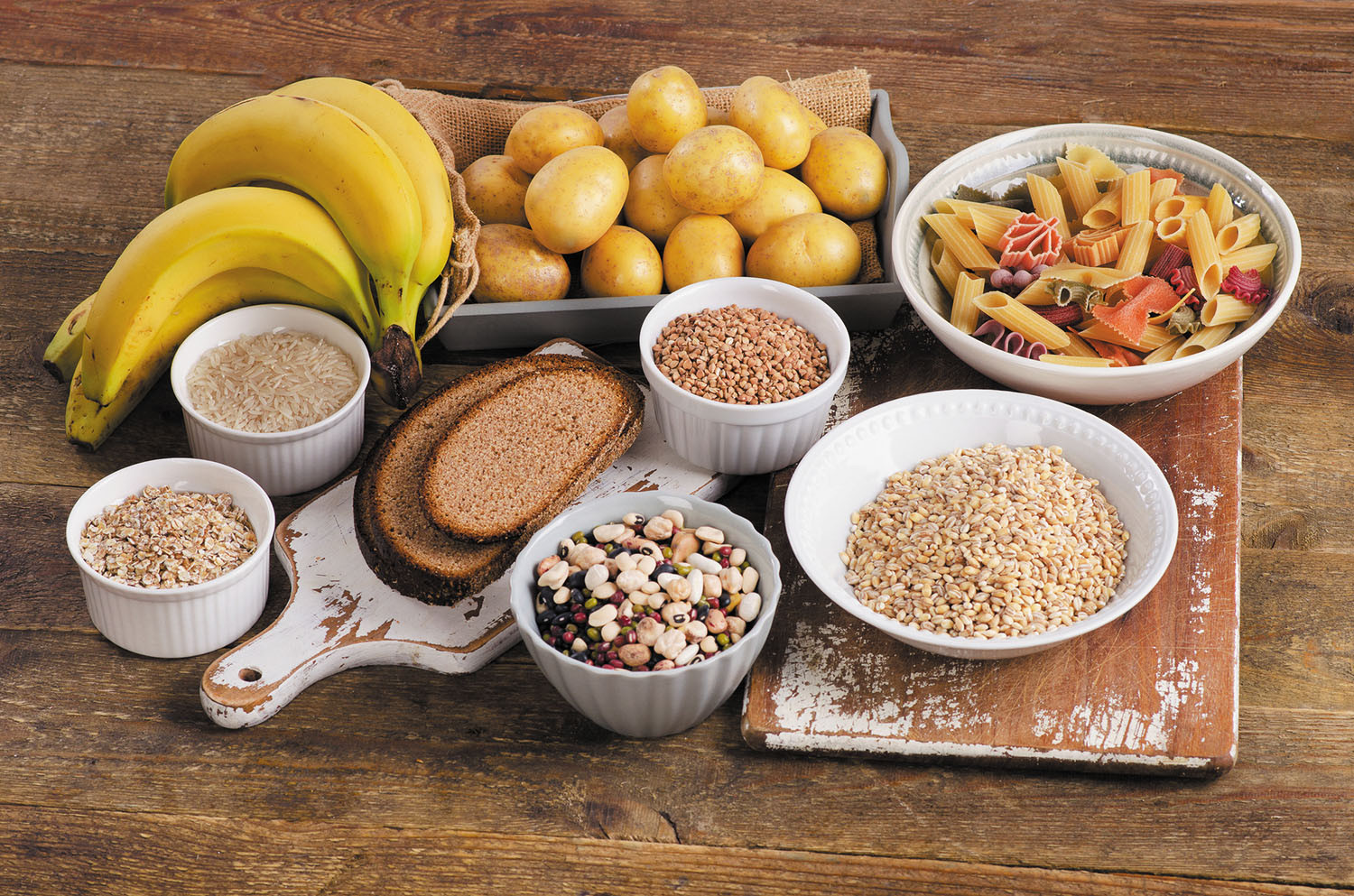
The smart way to look at carbohydrates
While the low-carb diet trend is still going strong, experts suggest you pay more attention to quality, not quantity.
Image: © bit245/Getty Images
Over the years, carbohydrates have become nutritional villains. It seems everywhere you look, people advise you to watch carbs, cut carbs, or go low-carb. But you need carbs — and more than you may think.
Dietary carbs provide the body's primary energy source, glucose, which fuels everything you do, from breathing to thinking to running.
CoQ10: Should you take this popular supplement if you're on a statin?
Oat vs. dairy milk: Nutrition, benefits, and downsides
Microplastics: A hidden health threat?
Healing after food poisoning
What is tempeh? Benefits, nutrition, and how to use it
Light exposure at night may raise risk for heart disease
Whole grains may improve several heart risk factors at once
A lumbar belt may help ease low back pain
Children of centenarians may stay healthier and live longer too, study finds
Signs of pneumonia: Sometimes vague and unexpected
Free Healthbeat Signup
Get the latest in health news delivered to your inbox!
Sign Up
