

CoQ10: Should you take this popular supplement if you're on a statin?

Oat vs. dairy milk: Nutrition, benefits, and downsides

Microplastics: A hidden health threat?

Healing after food poisoning

What is tempeh? Benefits, nutrition, and how to use it

Light exposure at night may raise risk for heart disease

Whole grains may improve several heart risk factors at once

A lumbar belt may help ease low back pain

Children of centenarians may stay healthier and live longer too, study finds

Signs of pneumonia: Sometimes vague and unexpected
Healthy aging and longevity Archive
Articles

Digital health tracking: Preventive care or privacy invasion?
24-hour health monitoring is high tech. But is it helpful?
Image: © chombosan/Getty Images
The day has arrived when doctors can remotely monitor your health every moment, if you (and they) choose. Increasing numbers of wireless digital sensors — some implanted in or on the body, some ingested, and some worn like clothing — are making the leap from patents to patients. In 2017, the FDA cleared dozens of devices for continuous health monitoring. "The hope is that people heading toward serious problems — such as high blood sugar or heart rhythm abnormalities — can be headed off at the pass," explains Dr. Anthony Komaroff, editor in chief of the Harvard Health Letter.
Not necessarily new
We've had portable gadgets that monitor health for decades. One early example is the kind of heart pacemaker that detects irregular heartbeats and shocks them back to a normal rhythm. Today we also have devices that sense and respond to many other health problems, such as Parkinson's disease tremors or pauses in breathing during sleep.
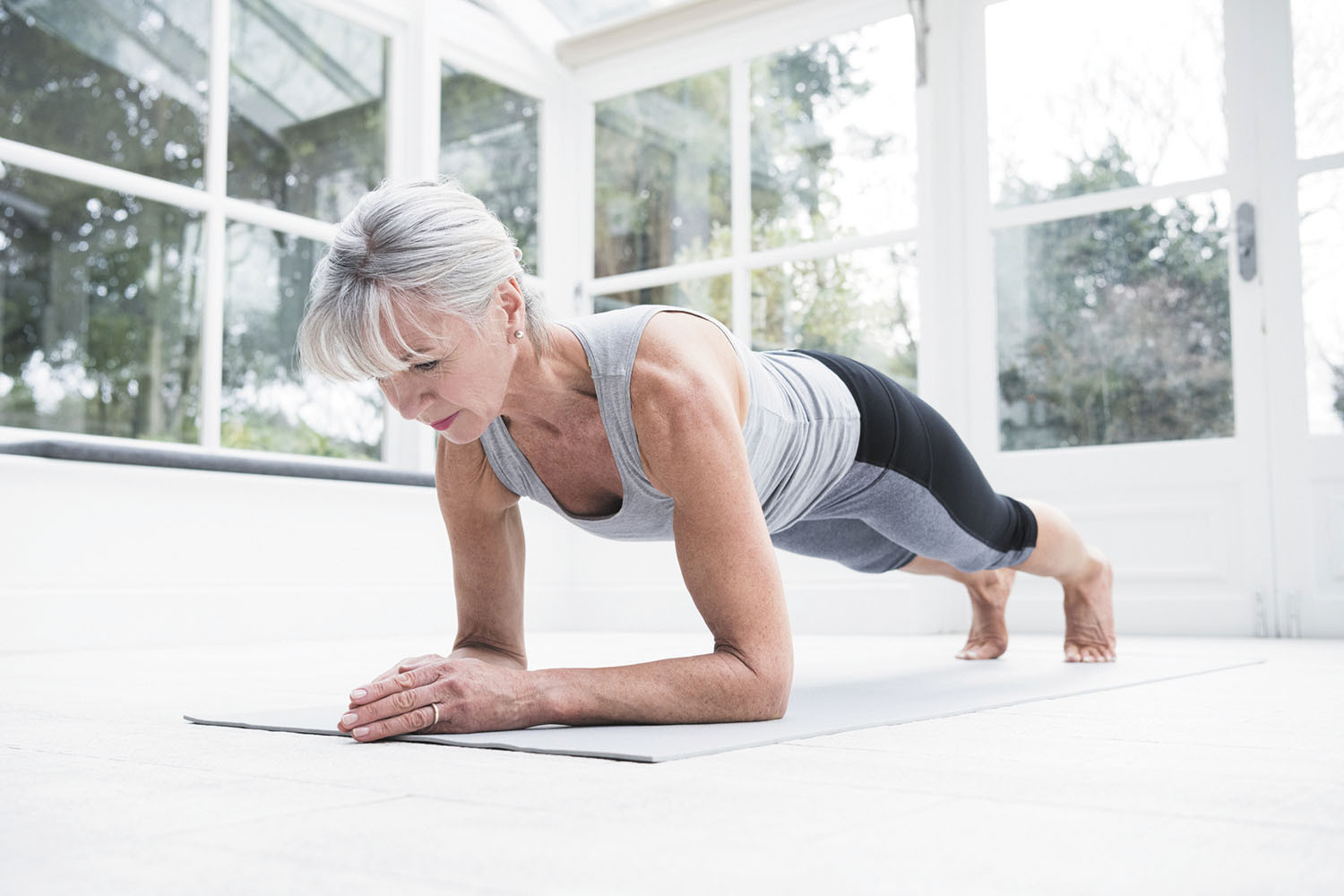
Tips to help you embrace abdominal workouts
You can strengthen your abs without feeling like you're tackling a daunting workout.
Image: © Johnny Greig/Getty Images
For some people, crunches and other abdominal muscle workouts are the last thing they'd want to do — so they don't. "Part of the perception is that it's difficult. We tend to want to avoid doing things that require effort, especially as we get older, when that's harder for us," says Lorna Brown, a physical therapist who specializes in geriatrics at Harvard-affiliated Spaulding Rehabilitation Hospital.
But skipping abdominal strengtheners can have a big effect on your mobility and independence — and not for the better.

Coffee: More links to health than harm
News briefs
Image: © Wavebreakmedia/Getty Images
Past studies have suggested that drinking coffee is associated with many health benefits, such as added longevity, lower blood pressure, less weight gain with aging, and a reduced risk of many diseases, including type 2 diabetes, liver disease, cardiovascular disease, several degenerative neurological diseases (like Parkinson's disease), and cancer. Now a massive review of more than 200 large studies, published Nov. 22, 2017, in The BMJ, backs up many of those links. The largest health benefits were associated with drinking three to four cups of coffee per day: drinking more than four cups per day did not bring additional benefits. It's not all good news, however; the study found that women who drank coffee had greater risks for fracture and pregnancy complications. But over all, the researchers say, coffee drinking appears to be safe. They caution that the findings are all based on observational studies, not randomized controlled trials — the gold standard of research.

Simple fixes can make driving safer
News briefs
Driving becomes challenging when you get older. Age-related health changes can make it hard to see at night, grip a steering wheel, or step on the brake at a moment's notice. Simple car tools, such as steering wheel covers that make the wheel easier to grip, can help. But research released in December 2017 from the AAA Foundation for Traffic Safety suggests that most older drivers aren't taking advantage of such tools. Between 2015 and 2017, researchers asked about 3,000 older adults (ages 65 to 79) about their use of adaptive vehicle tools. About 9% of respondents said they had at least one such tool. Researchers also asked older drivers if their vehicles had factory-installed safety features, such as technology that alerts you to danger when you are about to change lanes. Fifty-seven percent said they had at least one of these technologies, but only 43% of that group reported using them.
Even if your vehicle isn't equipped with high-tech safety features, adaptive vehicle tools can make driving safer, say researchers. If you're having trouble seeing over the dash, a seat cushion will give you a little height. There are also gadgets to bring pedals closer to you, put dashboard buttons on the steering wheel, and provide support for aching backs or arms. An occupational therapist can help determine which tools might help you, where to get them, and how to have them installed by a trained technician.

Getting stronger despite frailty
Men may be less able to perform daily activities as they age, but there are ways to reverse these changes.
Most men would prefer to maintain strength and robustness as they age. There are many ways to maintain a high level of health and energy through the years, but disease, surgery, and Father Time sometimes gang up and make men feel as if their best years are behind them.
Still, you don't have to take frailty lying down. "It's never too late to treat frailty and recoup what you may have lost," says Dr. Marian T. Hannan, co-director of the Musculoskeletal Research Center at the Institute for Aging Research at Harvard-affiliated Hebrew SeniorLife.

Can vitamin K supplements help protect against heart disease?
On call
Q. I have read that vitamin K supplements can help prevent heart disease. Should I take them?
A. Vitamin K — which is found in high levels in green leafy vegetables like spinach, kale, and romaine lettuce — plays a role in helping the body make blood clotting proteins. Although some observational studies have suggested a heart benefit from diets high in vitamin K, studies of supplements have not shown a protective effect.
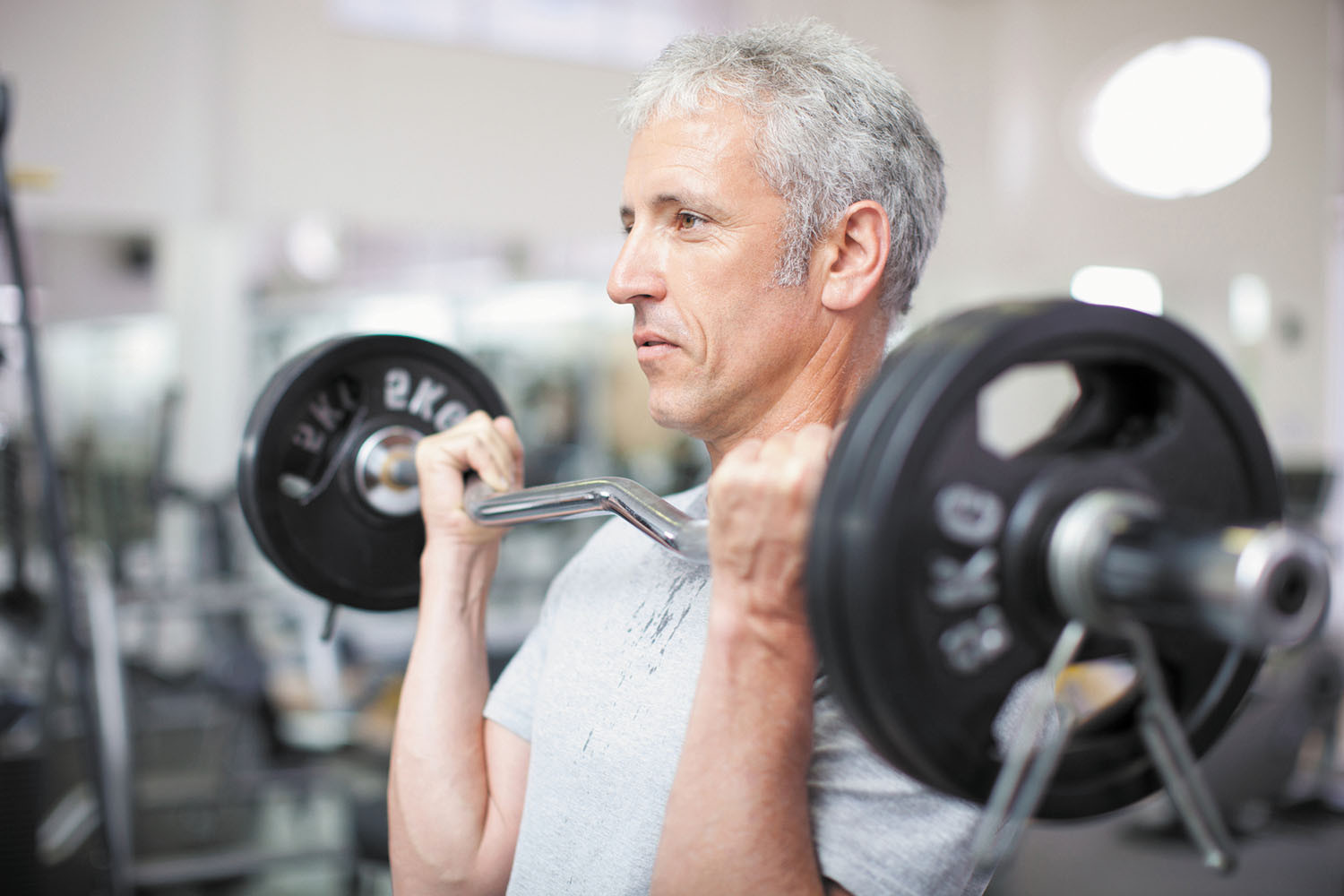
Weight training helps maintain muscle mass in overweight adults
In the journals
Image: © Robert Daly/Getty Images
Cardio is often regarded as the exercise of choice for weight loss, but older adults can benefit from adding weight lifting too, as it helps preserve muscle mass more than aerobic workouts.
A study published online Oct. 30, 2017, by the journal Obesity divided 249 overweight or obese adults in their 60s into three groups. One followed a restrictive diet of 1,200 to 1,800 daily calories. Another followed the diet and also did weight-machine workouts (four 45-minute sessions per week, targeting the major muscle groups). The third group followed the diet plus a cardio program of walking (45 minutes, four days a week, at a moderate-intensity level).
Hearing loss a possible risk factor for dementia
In the journals
Older adults who develop hearing loss are more likely to experience greater cognitive decline and develop dementia than their counterparts without hearing problems, according to a meta-analysis published online Dec. 7, 2017, by JAMA Otolaryngology — Head and Neck Surgery. Researchers examined data from 36 studies including more than 20,000 people who underwent both cognitive evaluations and hearing tests. Those with age-related hearing loss were more likely to have cognitive impairment or a diagnosis of dementia.
The study found a small but statistically meaningful association between hearing loss and a variety of specific cognitive abilities, including executive function, memory, processing speed, and visuospatial ability (how you recognize shapes and sizes and estimate the distance between two objects). The association between hearing loss and weaker cognitive skills was still strong even after accounting for risk factors like high blood pressure and smoking.

Is my constant exhaustion normal?
Ask the doctors
Q. I feel like I'm tired all the time. Is this just a normal part of aging?
A. The short answer to your question is, no. Getting older may mean you have less endurance than you used to and you may feel tired sometimes, just like anyone else, but if you are experiencing long-lasting daily fatigue, there could be an underlying medical cause.
Nine in 10 homes have three or more allergens
Research we're watching
Some new research shows good reason to focus on reducing the number of indoor allergens in your home. A new study published in the Nov. 30, 2017, issue of The Journal of Allergy and Clinical Immunology found that more than 90% of nearly 7,000 homes studied had three or more detectable allergens, from a list of eight common allergens. In addition, some 73% of homes had one allergen found at levels researchers defined as "elevated." The researchers used data from the 2005–2006 National Health and Nutrition Examination Survey. The eight allergens were cat, dog, cockroach, mouse, rat, mold, and two types of dust mites. Factors that led to higher levels of indoor allergens included pets and pests. Certain types of homes were also more likely to have higher allergen levels, including older homes, rental homes, mobile homes, and homes in rural areas.
CoQ10: Should you take this popular supplement if you're on a statin?
Oat vs. dairy milk: Nutrition, benefits, and downsides
Microplastics: A hidden health threat?
Healing after food poisoning
What is tempeh? Benefits, nutrition, and how to use it
Light exposure at night may raise risk for heart disease
Whole grains may improve several heart risk factors at once
A lumbar belt may help ease low back pain
Children of centenarians may stay healthier and live longer too, study finds
Signs of pneumonia: Sometimes vague and unexpected
Free Healthbeat Signup
Get the latest in health news delivered to your inbox!
Sign Up
